
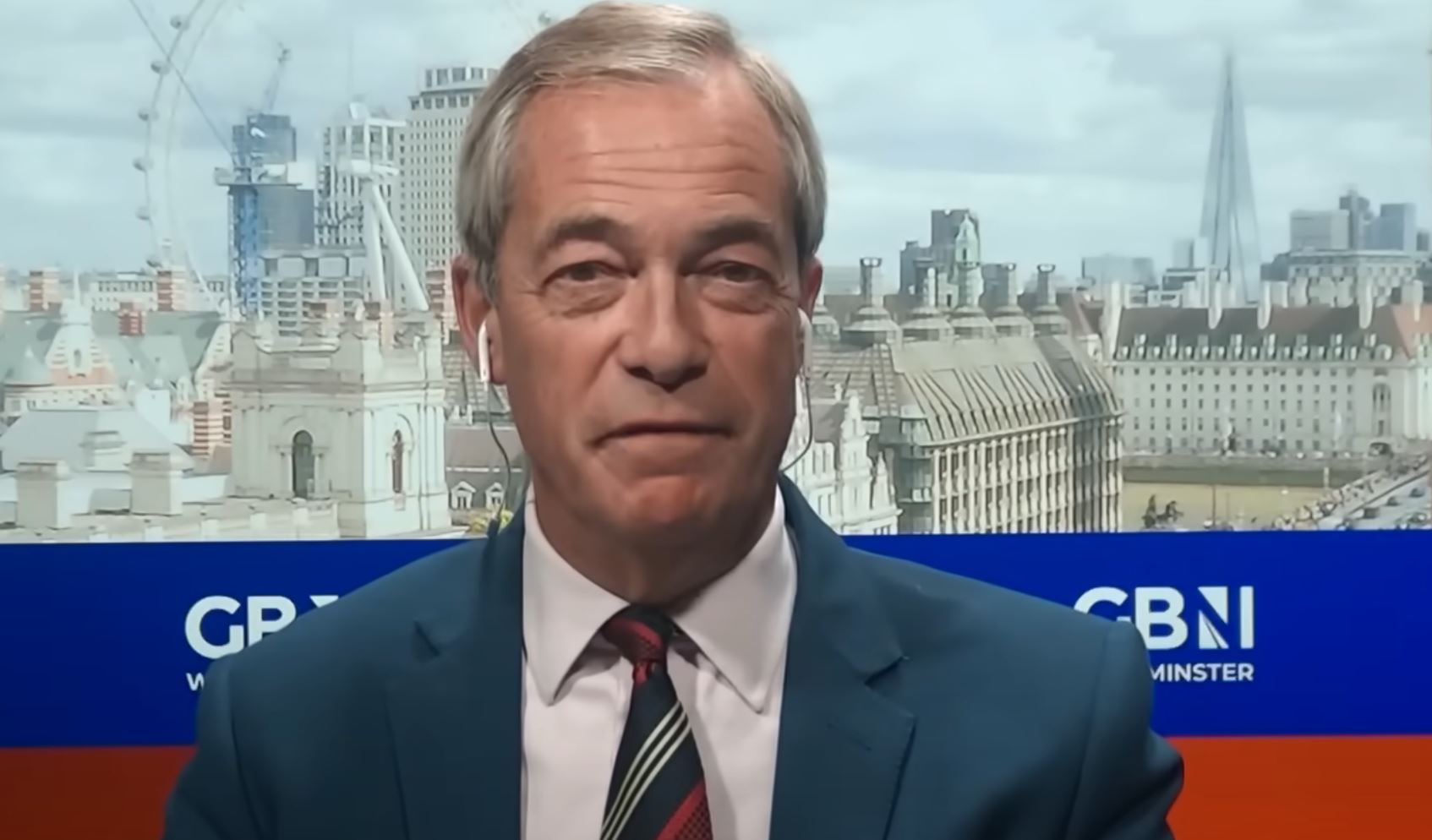
Nigel Farage has made a dramatic pledge to reshape Britain’s immigration system, vowing to remove hundreds of thousands of foreign migrants from the UK in what could be the most significant overhaul of the country’s asylum and immigration laws in recent history. Under Farage’s proposals, those who currently hold indefinite leave to remain (ILR) will be forced to reapply for visas under a new, tougher set of criteria, including higher salary thresholds and stricter language requirements.
A Vision for a Tougher Immigration System
Farage, leader of the Reform UK party, is calling for sweeping reforms to tighten immigration controls, targeting migrants with indefinite residency status, many of whom have been living in the UK for years. The policy seeks to impose stricter conditions on migrants’ eligibility for residency, including a higher salary requirement and proficiency in the English language.
In an op-ed for The Telegraph, Farage emphasized that under his plan, all individuals with ILR would be given a 150-day period to reapply for a visa. If they fail to meet the new conditions, they would be required to leave the UK. Farage aims to ensure that migrants are fully self-sufficient, stating that under his leadership, “migrants will be entirely dependent on their own income and will no longer be able to claim national benefits.”
Stricter Benefits Access and Immigration Caps
Farage’s proposals go further, aiming to cut public spending by eliminating access to the UK’s benefits system for foreign nationals. This policy could potentially save the UK up to £200 billion over the lifetime of current migrants. The move would also apply a cap on asylum claims and reduce the number of refugees taken in by the UK, undoing the previous government’s approach.
In addition, Farage is pushing to withdraw from international agreements, including the European Convention on Human Rights, and to introduce an asylum system that would make it more difficult for individuals to appeal decisions. A key part of his strategy involves tightening criteria for deporting those who commit crimes, banning criminals from ever returning to the UK.
The “Dori Wave” of Immigration and the Legal Debate
This overhaul of Britain’s immigration laws is being labelled by some as the “Dori Wave,” referencing the drastic shift in policy that could affect foreign-born individuals who have settled in the country. The new rules would apply to all foreign nationals with permanent residency, including those who have lived in the UK for decades.
However, these proposals raise significant legal and diplomatic questions, especially for EU citizens with settled status. Under the terms of the UK-EU Withdrawal Agreement, EU nationals who acquired settled status are legally protected. Farage’s plan to revoke indefinite leave to remain could lead to a breach of this international treaty, potentially creating a major legal conflict between the UK and EU member states.
Political Implications for Labour and the UK-EU Relationship
The policy also places increasing pressure on Labour leader Sir Keir Starmer, who faces criticism for allowing the number of legal arrivals into the UK to rise under his government. Starmer’s deal with France to take in additional refugees in exchange for tighter border controls has sparked a fresh political debate about the UK’s immigration stance.
Farage’s plan is likely to strain UK-EU relations further, especially considering the protection of EU citizens’ rights under the Withdrawal Agreement. Legal experts warn that any attempt to alter the status of EU nationals could provoke a diplomatic row, potentially undermining Britain’s post-Brexit negotiations.
The Economic and Social Consequences
From an economic standpoint, Farage’s promise to remove hundreds of thousands of migrants could have major repercussions on the UK’s labour market. Many sectors, including healthcare, agriculture, and hospitality, rely heavily on migrant labour. The proposal to force settled workers to reapply for visas or leave could lead to significant labour shortages, disrupting productivity and pushing up costs in industries already struggling to fill vacancies.
While Farage argues that the policy would save billions by restricting access to benefits, critics point out that the majority of EU nationals with settled status are already guaranteed access to welfare under the Withdrawal Agreement. Furthermore, implementing such a wide-reaching policy would require vast administrative resources and could potentially lead to legal challenges.
Farage’s Broader Agenda: English Proficiency and NHS Contributions
Farage has also emphasized the importance of integrating migrants into British society by making it mandatory for those on a visa to learn English. He further proposes abolishing the current five-year route to citizenship, replacing it with a more stringent 10-year pathway. Additionally, migrants seeking to access the UK’s National Health Service (NHS) would be required to pay a fee, helping to offset costs.
Farage’s plan also proposes a five-year work visa for migrants who wish to work in the UK but do not possess exceptional skills. These workers would be expected to support themselves without relying on public services, a condition that Farage believes will ensure greater integration and reduce strain on the national welfare system.
Implications for the EU and Future UK Policy
As Farage’s proposals gather attention, the potential legal and diplomatic fallout from such sweeping immigration reforms cannot be ignored. The UK government may face mounting pressure from the EU if it attempts to alter the status of EU nationals with settled status. Furthermore, the political landscape in the UK could shift dramatically as immigration continues to dominate public discourse.
The EU, as well as individual European nations, will likely be monitoring developments closely. Should the UK move ahead with these plans, the EU may need to start planning its response, especially if the Withdrawal Agreement is threatened or undermined.
Ultimately, Farage’s immigration overhaul represents a bold vision for Britain’s future. Whether it will succeed in addressing the challenges posed by immigration remains to be seen, but the proposal signals a dramatic shift in the nation’s approach to migration and its broader relationship with the European Union.