
Offshore Wind Farm Progresses Despite National Security Concerns
A recent court ruling has cleared the way for Ørsted, the Danish renewable energy giant, to resume work on its multi-billion-dollar offshore wind farm project, Revolution Wind, off the coast of Rhode Island. This comes after a month-long legal battle against a halt order issued by the Trump administration, which cited national security concerns as the reason for stopping the project.
Revolution Wind, which is already 80 percent complete, has attracted significant investment, exceeding five billion dollars, and is expected to be a major contributor to the region’s energy landscape. When fully operational, the wind farm will provide electricity to approximately 350,000 households and support 2,000 local jobs.
National Security Concerns and Legal Action
The controversy surrounding Revolution Wind began a month ago when the U.S. Department of the Interior, under the Trump administration, imposed a “stop work order” on the project. The order was issued under the premise that the wind farm posed a potential risk to U.S. national security. Secretary of the Interior, Doug Burgum, raised concerns that the turbines could potentially be used as launch points for drone swarm attacks against the United States, a threat described as a “security vulnerability.”
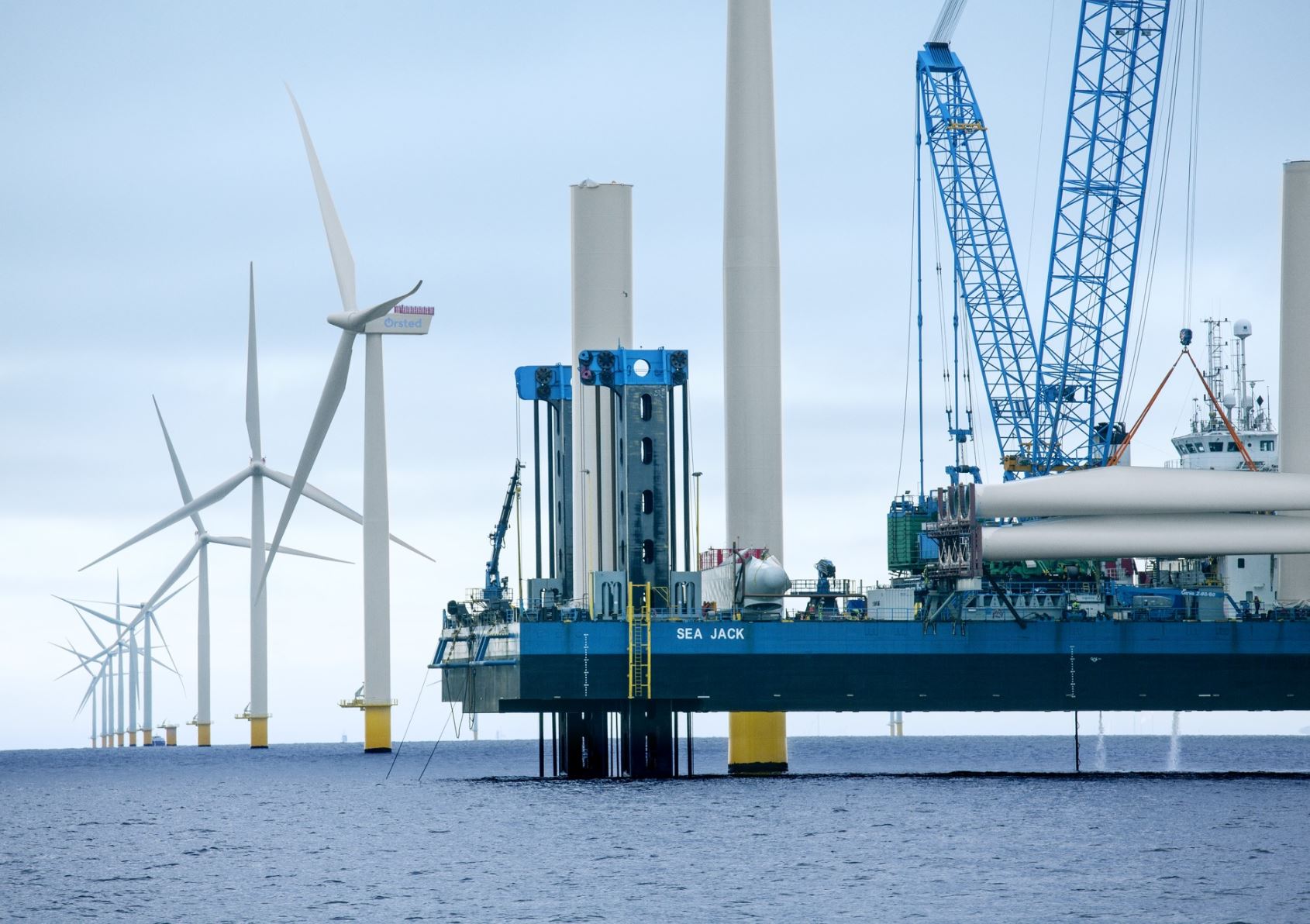
However, Ørsted swiftly rejected these claims, arguing that they were unfounded and exaggerated. In response, the company took legal action to overturn the suspension, seeking to resume work on the project while the broader case remains in the courts.
Legal Victory and Setback for Trump Administration
In a pivotal decision, U.S. District Judge Royce Lamberth ruled in favour of Ørsted, allowing the company to resume construction on Revolution Wind. The judge criticized the Trump administration for offering conflicting explanations for the project’s suspension, labelling the government’s actions as “the height of arbitrary and capricious” behaviour. Lamberth’s ruling highlighted that the administration’s rationale for halting the project lacked clarity and did not stand up to scrutiny.
While the legal battle is far from over, the court’s decision represents a significant win for Ørsted and its stakeholders, who are keen to push forward with the ambitious renewable energy initiative. Ørsted has expressed confidence that once the wind farm is operational, it will play a crucial role in helping the U.S. transition to cleaner energy while creating thousands of local jobs.
Economic and Environmental Impacts
For the Rhode Island region, Revolution Wind promises substantial economic and environmental benefits. In addition to providing power to hundreds of thousands of households, the project is seen as a vital part of the U.S. energy transition, positioning the country as a leader in offshore wind development. Furthermore, the project is expected to support around 2,000 jobs, both in construction and operations, offering a boost to the local economy.
Environmentalists have also hailed the project for its potential to reduce the region’s reliance on fossil fuels. As the U.S. pushes for more aggressive climate goals, offshore wind farms like Revolution Wind are being seen as key components in achieving carbon reduction targets.
Looking Ahead
As the project resumes, Ørsted remains focused on completing Revolution Wind and advancing its vision for sustainable energy in the U.S. Despite the legal challenges, the company has reiterated its commitment to ensuring that offshore wind energy becomes a cornerstone of the country’s energy future.
While the political and legal uncertainties around national security concerns may persist, Ørsted’s victory in court is a clear indication that the U.S. is moving closer to a renewable energy revolution. The successful completion of Revolution Wind will not only strengthen the regional economy but also send a powerful message about the potential of offshore wind to power the future of clean energy in America.
Tags: Offshore Wind, Ørsted, Revolution Wind, Rhode Island, Renewable Energy, US Courts, National Security, Energy Transition, Trump Administration, Environmental Impact