
Finland’s economic recovery is proving to be slower and more complex than anticipated, as the country grapples with high unemployment, weak domestic demand, and external global pressures. The latest report from the Finnish Ministry of Finance revises the GDP growth forecast for 2025 down to 1.0 percent, a decrease from its earlier projection of 1.3 percent. This modest growth rate highlights the ongoing challenges that have prevented a faster rebound from the recession that began in 2023.
Sluggish Economic Recovery Amid Persistent Challenges
Mikko Spolander, Director General of the Ministry of Finance, underscored the slow progress in Finland’s economic recovery, describing public finances as “climbing from a deep crouch—painfully slowly.” The ministry’s updated outlook reflects a broader trend of slow economic improvement, with the primary factors impeding recovery being high unemployment, weak consumer demand, and ongoing global economic uncertainty.
According to the ministry’s report, while growth is expected in 2025, it remains well below previous projections, and the recovery is likely to take longer than many had hoped. Economic experts have cited several reasons for this sluggish pace, including low employment, global trade disruptions, and the continuing fallout from the COVID-19 pandemic. Despite the efforts made by the government to address these challenges, including fiscal stimulus measures and labour market reforms, Finland’s economy continues to struggle with weak demand both domestically and from key trading partners.
The Outlook from Danske Bank: A Longer Path to Recovery
Adding to the cautious outlook, Danske Bank has also revised its forecast for Finland’s economic recovery. In its latest economic outlook, the bank predicts GDP growth of just 0.9 percent in 2025, with a more robust recovery expected only in 2026, when growth is projected to reach 2.0 percent. The bank’s economists have pointed to several key obstacles to Finland’s recovery, including high unemployment, weak consumer confidence, and the ongoing global trade tensions that are affecting the entire Eurozone.
“Finland’s economy is facing significant headwinds. Global trade tensions, along with reduced demand from key export markets, are limiting growth potential,” the report stated. “Furthermore, domestic demand remains weak, largely due to high unemployment and low consumer confidence.”
Danske Bank has expressed concern over the risk of a prolonged economic stagnation if these issues are not addressed. According to the bank, a fuller recovery to pre-recession levels might not occur until 2026, meaning that Finland may face several more years of slow economic growth and uncertainty.
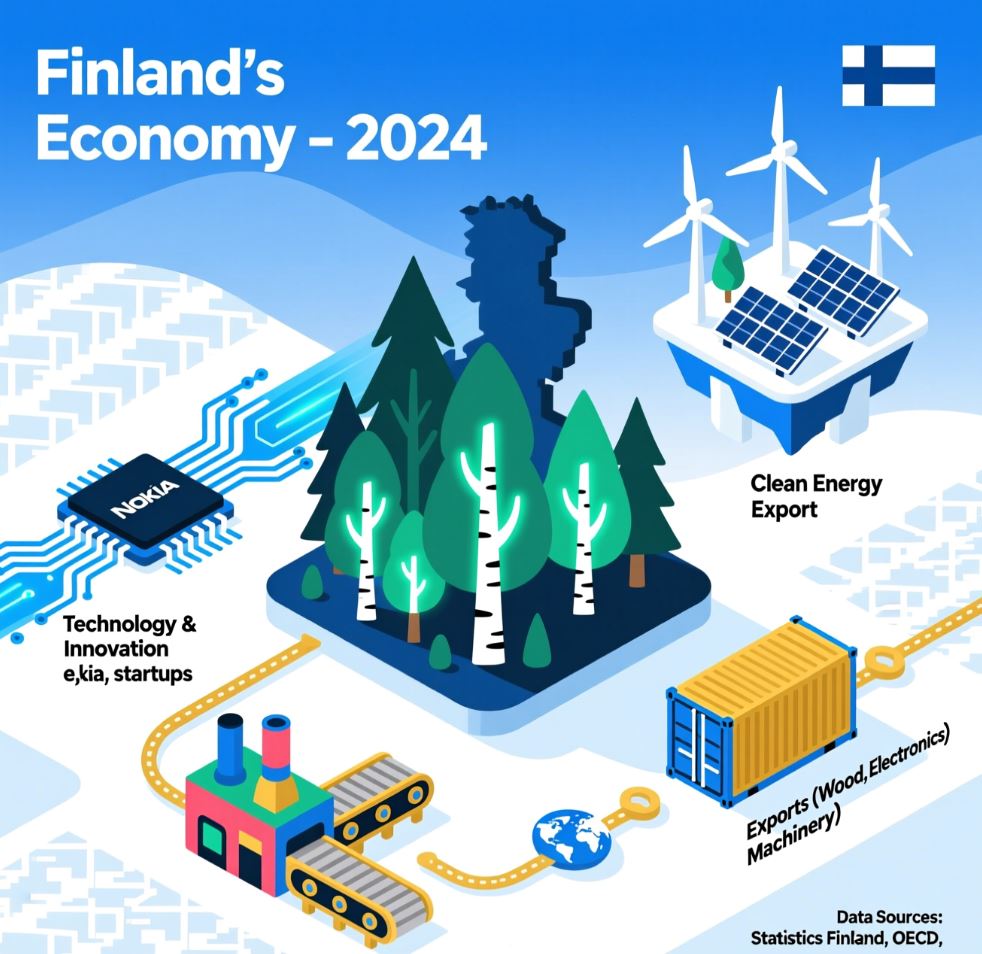
Unemployment Hits Record Highs
Perhaps the most concerning aspect of Finland’s economic struggles is the continued rise in unemployment. According to Statistics Finland, the unemployment rate surged to 10 percent in August 2025, marking the highest figure recorded since labour force statistics began in 2009. A total of 267,000 individuals were unemployed in August, an increase of 53,000 from the same time last year.
This growing unemployment trend is especially troubling because the labour market’s weakness shows no signs of abating. Since the spring of 2023, the trend-based unemployment rate, which filters out seasonal fluctuations, has steadily climbed from 6.8 percent to its current level. Many economists have expressed concern that this persistent weakness in the labour market is a major factor slowing Finland’s recovery.
Rising unemployment has a direct impact on consumer spending, which in turn affects overall demand for goods and services. When people are out of work or uncertain about their job security, they tend to reduce their spending, which then leads to a cycle of weak demand and slow economic growth. This is one of the core challenges the Finnish government is trying to address through a mix of job creation programs, investment in skills development, and labour market reforms.
Global Economic Tensions Contribute to Domestic Struggles
In addition to domestic challenges, Finland is also contending with an unpredictable global economic environment. Tensions in global trade, particularly with major partners like China and the United States, have dampened export demand. Finland, with its open economy, is highly dependent on trade, and disruptions in global supply chains and reduced demand for Finnish goods have contributed to the country’s slow recovery.
Furthermore, inflationary pressures and the overall slow pace of global economic growth have impacted Finland’s export-driven sectors. While some sectors, like high-tech and green technologies, show promise, the overall demand for Finnish goods has not rebounded as expected, leaving many businesses struggling to return to pre-pandemic growth levels.
The Way Forward: Policy Measures and Reform Efforts
In response to the ongoing economic difficulties, the Finnish government has rolled out several policy measures aimed at boosting employment and stimulating domestic demand. These measures include incentives for businesses to hire and invest in workforce development, as well as public sector investments in infrastructure and innovation. The government has also been working closely with the European Union to secure additional economic support and to manage the effects of global economic uncertainties.
However, as Mikko Spolander from the Ministry of Finance pointed out, the pace of recovery is likely to remain slow for the foreseeable future. Policymakers must balance the need for fiscal stimulus with the long-term goal of achieving sustainable public finances.
Conclusion: A Long Road Ahead
While Finland’s economy is certainly on a path toward recovery, the journey is expected to be slow and fraught with challenges. High unemployment, weak domestic demand, and global economic uncertainty will likely continue to weigh heavily on the country’s growth prospects in the near term. However, with targeted policy measures and structural reforms, Finland may still be able to lay the foundation for a more robust recovery by the end of the decade. For now, the country’s economic future remains uncertain, and policymakers will need to remain agile and responsive to the evolving global and domestic conditions.
As Finland looks toward 2026, the hope is that the economy will regain momentum, but it’s clear that the path to full recovery is likely to be more gradual than many had hoped.