
Sweden is preparing to introduce significant changes to its migration policy, with a new proposal that would impact both current and future residents. According to recent reports by Swedish Radio channel Ekot, the government’s investigative committee is set to recommend a major shift in how Sweden issues residency permits. Under the new plan, those who have already received permanent residence permits may see them revoked and converted into temporary ones.
The Proposal: What’s Changing?
The core of the proposal revolves around redefining the status of long-term residents in Sweden. Permanent residence permits, traditionally a symbol of long-term security and stability in the country, would no longer be granted with the same permanence. Instead, these would be replaced by temporary residence permits, which could be subject to review and renewal after a set period.
Additionally, the proposal suggests that while a permanent residence permit would no longer guarantee indefinite stay, it would still serve as a pathway to Swedish citizenship. Individuals who hold a temporary residence permit would still have the opportunity to apply for citizenship once they fulfil the necessary criteria, maintaining a route to long-term settlement.
The Driving Forces Behind the Proposal
Why is Sweden considering such a drastic change in its residency policy, especially at a time when the country is facing other pressing issues such as economic stability, housing shortages, and labour market challenges? Proponents of the proposal argue that this shift will provide more flexibility in managing immigration and ensure that only those who remain committed to integrating into Swedish society can remain in the country long-term.
However, critics question whether the timing is right. Sweden’s business climate has long been known for its openness to skilled talent, and some worry that the change could send a signal of instability, deterring skilled workers and entrepreneurs from considering Sweden as a destination for their professional futures. With global mobility increasing, the risk is that individuals might look elsewhere for more permanent and predictable residency options.
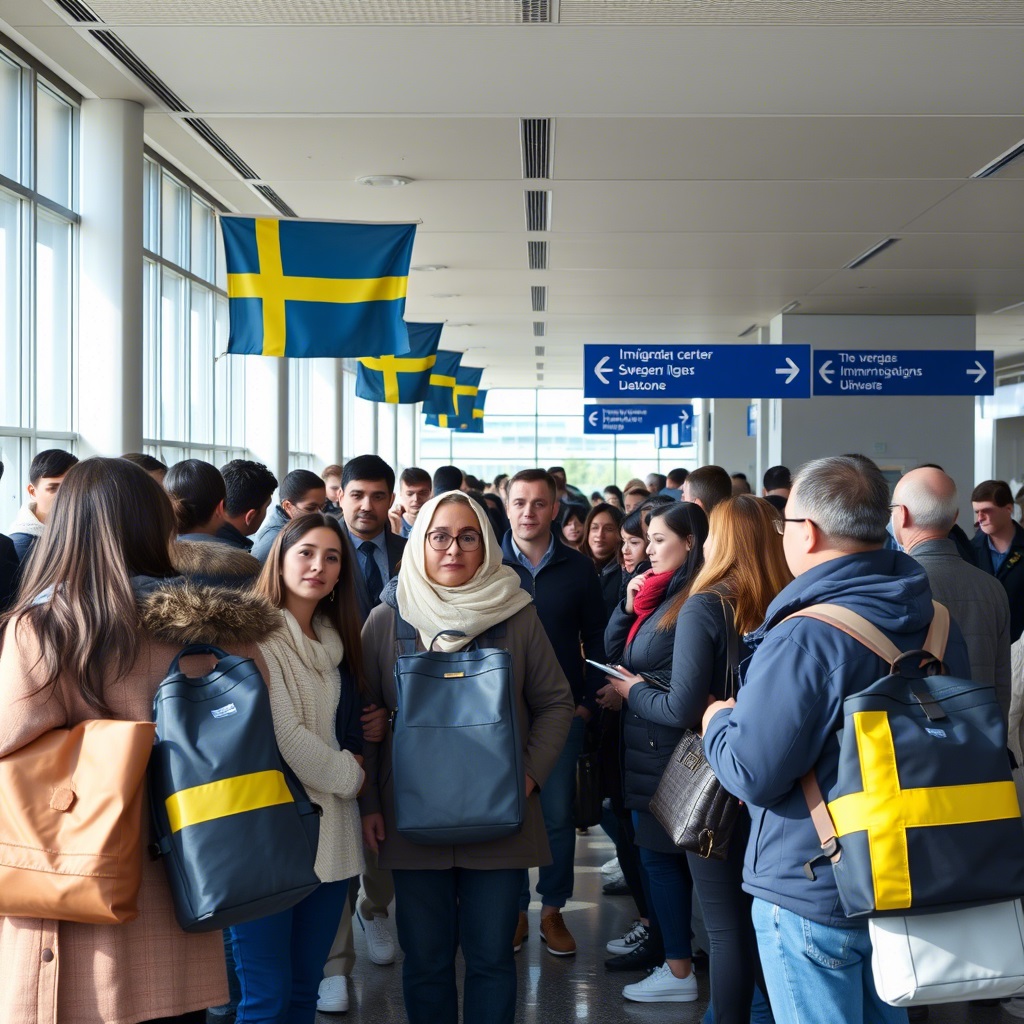
Economic and Social Implications: A Delicate Balance
The Swedish government’s proposal raises important questions about the balance between immigration policy and economic interests. Sweden has long been known for its robust social welfare system, which relies on a steady influx of skilled workers and entrepreneurs to drive innovation, support the labour market, and contribute to the country’s tax base. By shifting to temporary residency, there is concern that Sweden could risk undermining its position as a competitive and attractive destination for top talent.
There is also the social impact to consider. For immigrants who have already made Sweden their home, the possibility of having their permanent residency revoked could lead to uncertainty and insecurity. Many have built lives in Sweden, contributing to local communities, businesses, and cultural life. Changing their status could create unnecessary stress and potentially lead to feelings of exclusion.
The Far-Right Party’s Role in the Proposal
This proposal has garnered attention, particularly from the far-right political factions in Sweden, who have long advocated for stricter immigration controls. Critics argue that this shift is overly punitive and risks casting a shadow over Sweden’s inclusive and progressive reputation. By focusing on restricting long-term residency for immigrants, these factions may be missing the point, potentially alienating individuals who are integral to Sweden’s future workforce and growth.
Skilled immigrants, in particular, play a crucial role in the country’s thriving technology, healthcare, and industrial sectors. With the global competition for talent intensifying, Sweden must carefully weigh the economic ramifications of this policy shift. If Sweden becomes seen as a less welcoming place for skilled workers, it risks losing its position as a leader in innovation and economic development.
A Turning Point for Swedish Migration Policy?
As Sweden’s migration policy undergoes this significant transformation, it will be crucial for the government to communicate the rationale behind the proposal clearly to both current residents and future applicants. If implemented, the changes could redefine the social fabric of Sweden, affecting its global standing as a hub for business and innovation.
For Sweden’s economy, the key challenge will be ensuring that its immigration policies remain flexible enough to attract and retain the global talent needed to drive long-term growth. This is particularly important at a time when businesses across the Nordic region are navigating complex global markets and competition for highly skilled professionals is at an all-time high.
In the coming months, the government will need to address the concerns raised by both critics and supporters of the proposal. Whether the shift from permanent to temporary residency will ultimately strengthen or weaken Sweden’s position as a leading business hub remains to be seen. What is clear, however, is that this is a critical moment for Swedish immigration policy, one that could shape the country’s future in ways both predictable and unforeseen.
For now, businesses, skilled immigrants, and policymakers alike will be closely watching how the debate unfolds and how these proposed changes will impact Sweden’s place in the global landscape of innovation and opportunity.