
Denmark’s skies were shaken once again with a spate of drone interruptions, leading to severe disruptions at several key airports across the nation. As the investigation into these incidents continues, it has become clear that Denmark’s response to this emerging security challenge needs swift bolstering. Meanwhile, Sweden, despite reports of possible drone activity, remains untouched by the growing threat. What does this mean for the broader Nordic region and its preparedness?
Drone Chaos in Danish Airspace: A Growing Threat
On Wednesday night, Denmark’s national security was put to the test as drones were spotted over several major airports, causing significant delays and disruptions in air traffic. The most notable event occurred at Aalborg Airport, where a series of drone sightings forced the closure of the airspace for several hours, impacting both civilian and military operations. The last drone was seen just before 1 a.m., triggering an extensive response from law enforcement and military agencies, including the Danish National Police, the Danish Security Police (PET), and even the Swedish Armed Forces. Aalborg, which doubles as a military base, was particularly vulnerable, prompting a quick military response.
The drones, which flew with visible lights, were visible to people on the ground but managed to evade capture. Authorities have not yet identified the type of drone involved, and despite the lengthy airspace shutdown, the police were unable to bring the drones down. Denmark’s Chief of Defence, Michael Hyldgaard, explained that there was a “collective assessment” in place that prioritized the safety of civilians, with a decision not to engage the drones directly in order to avoid collateral damage. No arrests have been made, but a rigorous investigation is ongoing.
This latest disruption follows a similar incident just days earlier at Copenhagen’s Kastrup Airport, where drones also halted air traffic for several hours. National Police Chief Thorkild Fogde noted that the two incidents may be linked, though it’s too early to draw conclusions.
Expansion of Drone Threats: More Airports Affected
In addition to Aalborg, the drones were confirmed over three other airports: Esbjerg, Sønderborg, and the Skrydstrup military base. Fortunately, these airports were closed overnight, so no flights were directly affected. However, reports of new drone sightings emerged early the following morning, although air traffic was able to resume without major interruptions.
The drone threat also extended to military sites, with confirmed sightings at the Jydske Dragon Regiment base. Meanwhile, the situation in Billund, Denmark’s second-largest airport, remains unclear as drones were reported, but the airspace was only closed briefly.
In response, Denmark’s Minister of Justice, Peter Hummelgaard, has called for an urgent meeting with EU leaders this Friday to discuss strengthening measures to counter drone threats. Hummelgaard acknowledged that more drone incidents were likely to occur and emphasized the need for a collective European response to mitigate future risks.
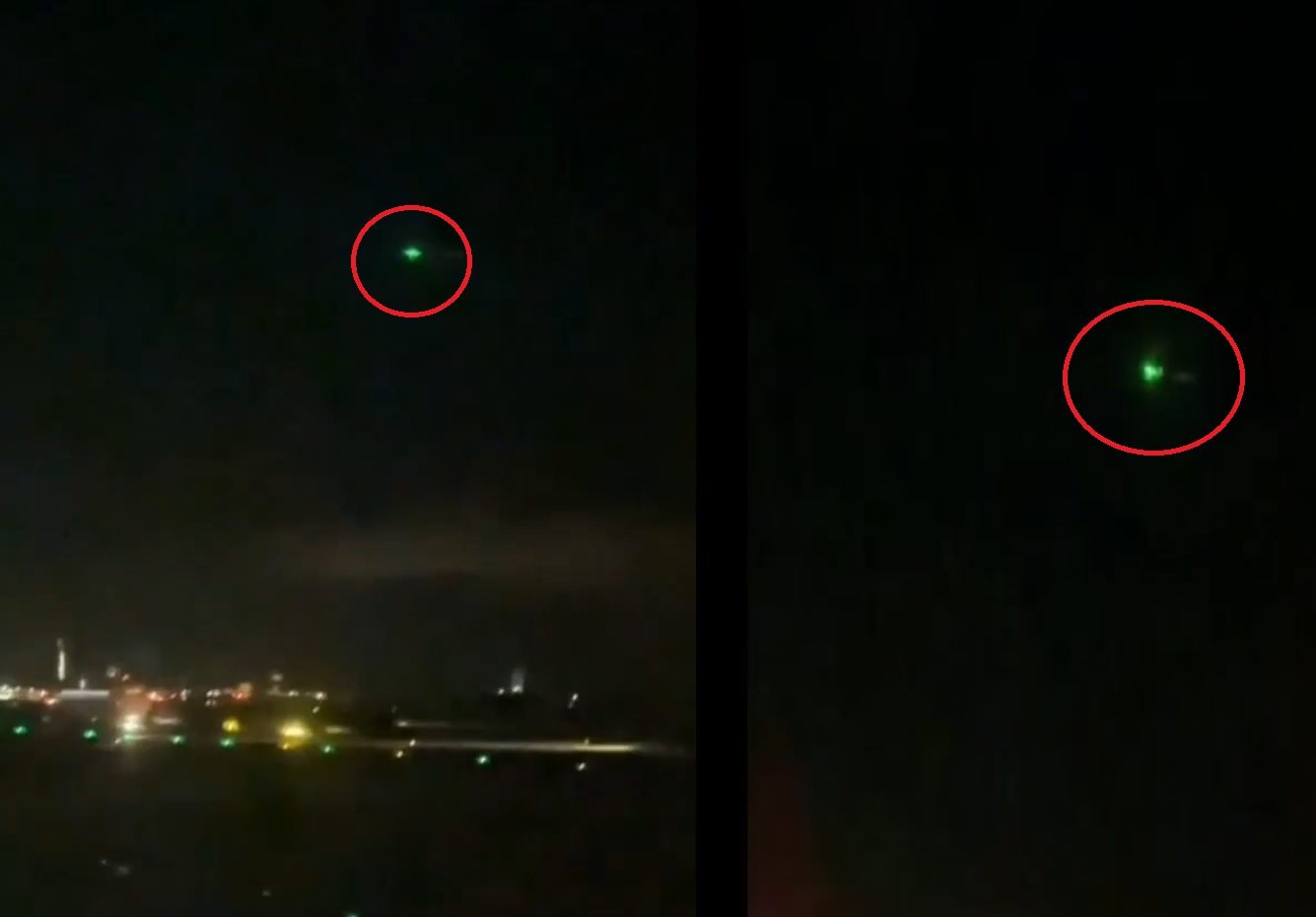
Unexplained Drone Sightings Across the Öresund Strait: Sweden in Focus
Despite the growing concerns in Denmark, there have been no confirmed drone interruptions in Sweden. Swedish police received reports of drone sightings over Malmö, Lund, and the Öresund Bridge shortly after the Kastrup incident. However, UFO Sweden, an organization that investigates unexplained aerial phenomena, dismissed these reports. Clas Svahn, chairman of UFO Sweden, stated that the sightings were likely to be misidentifications of natural phenomena, such as bright stars or even landing aircraft.
Svahn further emphasized that, in today’s climate of heightened security concerns, more people are quick to label any unexplained aerial phenomenon as a drone, which may be contributing to the surge in reports. He assured the public that there was no “drone invasion” over Sweden, downplaying fears of a larger-scale threat.
Economic and Security Implications: A Region on High Alert
As Denmark faces these mounting challenges, the broader Nordic region is taking note. The economic implications of these drone incidents are significant, particularly given the potential for extended airspace closures, delays, and logistical challenges. With the aviation industry already grappling with post-pandemic recovery, such disruptions could have a lasting impact on both national economies and the region’s broader connectivity.
Additionally, these incidents underscore the growing need for more robust security measures to address the evolving threats posed by unmanned aerial systems (UAS). While Denmark is taking immediate steps to enhance its defences, questions remain about the vulnerability of airports and military sites across the Nordic countries. The Swedish response has been relatively calm, but as drone activity intensifies in Denmark, it raises the question: Could Sweden be the next target?
What Lies Ahead for the Nordic Region?
The drone activity witnessed in Denmark highlights a rising security threat that could spread across borders. With authorities on high alert, Denmark is moving quickly to assess and address its vulnerabilities, while Sweden remains cautious but vigilant. As Minister Hummelgaard prepares to meet with EU leaders, the Nordic region must continue to strengthen its collective defences against the unpredictable and disruptive force that is drone technology. Whether this is a passing trend or the beginning of a new era of aerial threats remains to be seen, but the region’s ability to adapt will be crucial in the coming months.
As these developments unfold, the economic and security ramifications for both Denmark and the broader Nordic region will be closely watched by businesses and policymakers alike. With drones now emerging as a real threat, the time for a united regional response is fast approaching.