
Stockholm – Sweden’s decision to tie future development aid to Somalia with conditions on migration compliance is more than a political statement: it signals a new model of aid conditionality that could reshape how Nordic governments approach international partnerships.
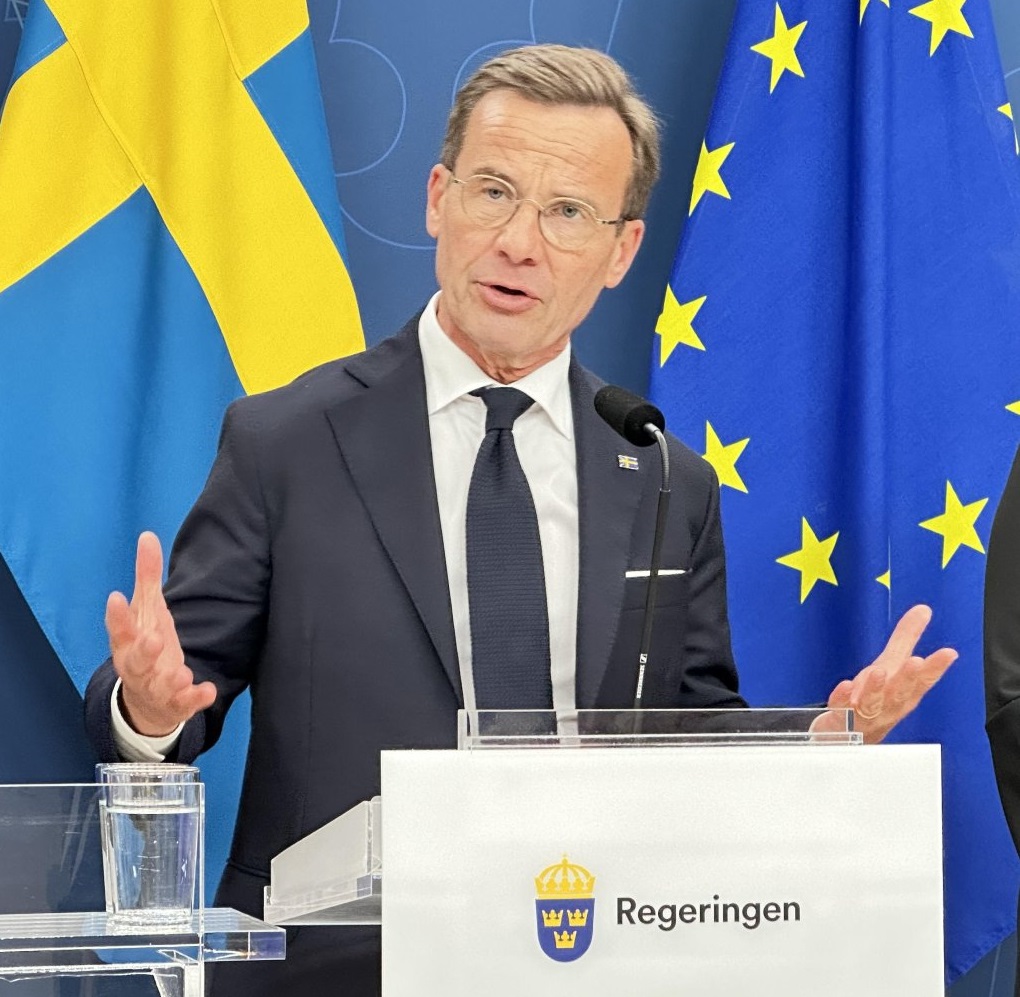
Prime Minister Ulf Kristersson (M) defended the high-profile agreement on Friday, framing it as part of Sweden’s broader strategy to align financial support with measurable cooperation.
“The only new thing from our side is that aid is no longer unconditional,” Kristersson said. “Countries must take responsibility for their own citizens, and Sweden cannot provide assistance without reciprocity.”
Aid as a Lever for Policy
The agreement requires Somalia to begin accepting deported citizens from Sweden in exchange for continued aid flows. While the arrangement was initially criticized following reports that Somalia’s Prime Minister’s Office may have gained influence over the funding, Kristersson stressed that the money was routed through trusted multilateral channels such as the UN Development Programme (UNDP) and the World Bank.
“We do not support terrorist romantics in Somalia. Our aid goes into development projects via international organizations,” Kristersson insisted.
Even so, documents reviewed by Swedish media show that the Somali Prime Minister’s Office could act as a key implementing partner under UNDP projects—raising questions about governance, transparency, and influence.
Business and Trade Dimensions
For Nordic investors and companies with ties to East Africa, the policy shift introduces both risk and opportunity. Conditional aid can accelerate governance reforms and improve institutional accountability—factors that create more predictable business environments.
At the same time, uncertainty over aid distribution and the political sensitivity of migration-linked agreements may complicate development initiatives on the ground. Infrastructure, energy, and telecom companies with interests in Somalia will be closely watching how Sweden’s aid reorientation affects the pace and direction of donor-led projects.
Nordic Precedent?
Sweden’s move could set a precedent for other Nordic countries reconsidering their aid frameworks. Denmark and Norway have already debated stronger migration-linked conditions on international cooperation. If Sweden’s model proves effective, it may catalyse a broader shift across the region.
“Several countries have for a long time refused to take back their own citizens. This is completely unacceptable,” Kristersson said. “Nordic aid must be linked to responsibility and partnership.”
Strategic Outlook
From a business perspective, the recalibration of aid policy underscores the growing alignment of development finance, migration management, and commercial stability. Swedish firms active in the Horn of Africa may benefit from strengthened state capacity if the conditionality leads to better governance.
However, the political framing of aid also introduces volatility. Investors will need to assess whether projects tied to Somali state institutions risk reputational or operational challenges in the short term.
Ultimately, Kristersson’s stance highlights a Nordic shift away from unconditional generosity towards principled aid—a change that blends political accountability with long-term considerations for trade, development, and regional stability.