
Stockholm – Swedish businesses are quietly absorbing a multi-billion-kronor crime wave, and the vast majority never pick up the phone to tell the police, according to a nationwide study released today by the Crime Prevention Council (Brå).
Based on responses from 6 500 companies, Brå found that four out of every ten firms were hit by at least one crime in the past year. Yet only 38 % of those incidents were reported to the authorities—leaving roughly six in ten crimes completely off the official radar.
Hotel and restaurant owners are the hardest-hit group: 60 % say they have been victimised, largely through theft, burglary and staff fraud. Construction firms come next in absolute numbers, but they are also the most willing to involve the police; almost two-thirds of building-sector crimes are formally reported. By contrast, companies that suffer data breaches or internal fraud file reports only one time in four.
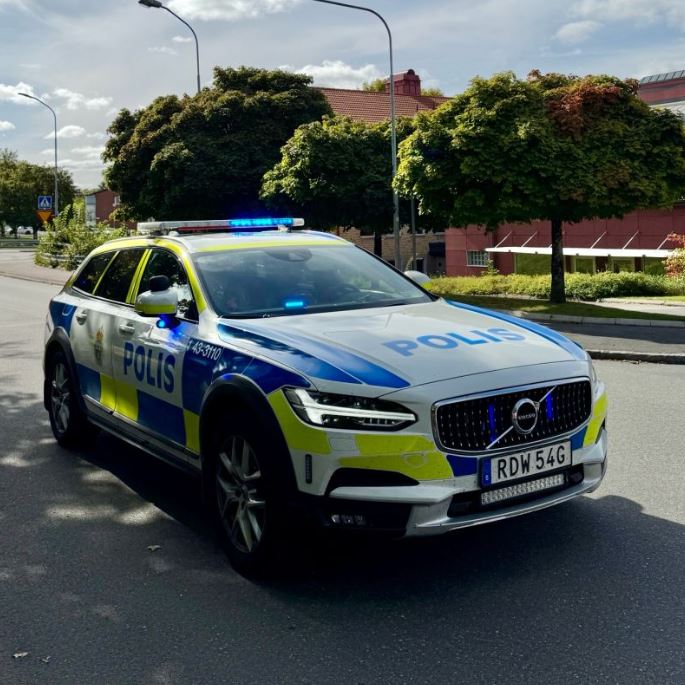
Size and geography matter. Large enterprises—those with 50 or more employees—face twice the risk of smaller firms, and businesses located in areas classified as socio-economically vulnerable see crime rates up to 70 % higher than the national average.
“Under-reporting is not just a statistical problem; it distorts how we allocate police resources and how insurers price risk,” said Klara Hradilova, Brå’s lead researcher on the project. “When companies calculate that the cost of investigation, higher insurance premiums or reputational damage outweighs the benefit of reporting, they stay silent—and criminals learn that Sweden is a low-risk market.”
The most common offences remain straightforward: theft and burglary dominate, followed by fraud (both external and employee-driven). Cyber incidents—ranging from invoice fraud to ransomware—now account for 12 % of all reported crimes, but Brå believes the real figure is at least triple that.
Industry reactions
The Confederation of Swedish Enterprise (Svenskt Näringsliv) called the findings “a wake-up call”. “We need a one-click national reporting portal and a guarantee that every digital crime report feeds directly into police intelligence systems,” said chief economist Stefan Westerberg.
Meanwhile, the Swedish Construction Federation (Byggnadsindustrin) is piloting a shared CCTV and GPS-tracking database that alerts members—and the police—when high-value equipment moves outside designated zones after working hours.
What happens next
Brå will deliver a follow-up study in 2026 examining whether new whistle-blower laws and the forthcoming Swedish Cyber Security Centre have narrowed the reporting gap. In the meantime, analysts warn that silent victims are effectively subsidising organised crime. “Every unreported theft is inventory that can be resold on the black market, and every unreported data breach is a credential set that can be reused,” Hradilova noted.
Until the cost of staying quiet exceeds the cost of coming forward, Sweden’s corporate crime statistics will continue to describe only the tip of a very expensive iceberg.