
As Sweden strengthens its civil defence in response to escalating regional tensions, the government is extending crisis planning beyond individuals and public authorities—targeting the private sector as a vital component of national resilience. In a move that marks a significant shift for Nordic business continuity, Sweden’s Civil Contingencies Agency (MSB) is drafting its first comprehensive crisis and wartime preparedness guide tailored specifically for companies. The guide is expected to be finalized by the end of 2025, paralleling recent efforts to inform and prepare Swedish households for crisis and conflict situations.
The New Reality: Business as Pillar of Preparedness
Minister for Civil Defence Carl-Oskar Bohlin (Moderate Party) emphasizes that businesses are intricately woven into the fabric of Swedish society, providing critical services and infrastructure that are indispensable during a crisis. “Business is integrated into almost every social process and socially important activity in one way or another. Therefore, it is also important that we provide information directly to companies on how to think about their own continuity planning,” Bohlin asserts.
The forthcoming brochure will encourage companies to address key vulnerabilities. Subjects under consideration include:
- How to maintain workforce availability when staff might be called for national service or are otherwise affected by crisis
- Mitigating supply-chain disruptions and securing vital products and services in a strained environment
- Practical approaches for businesses to help themselves and each other—fostering a spirit of self-reliance and collaboration
From Households to Boardrooms: Sweden’s Civil Defence Model
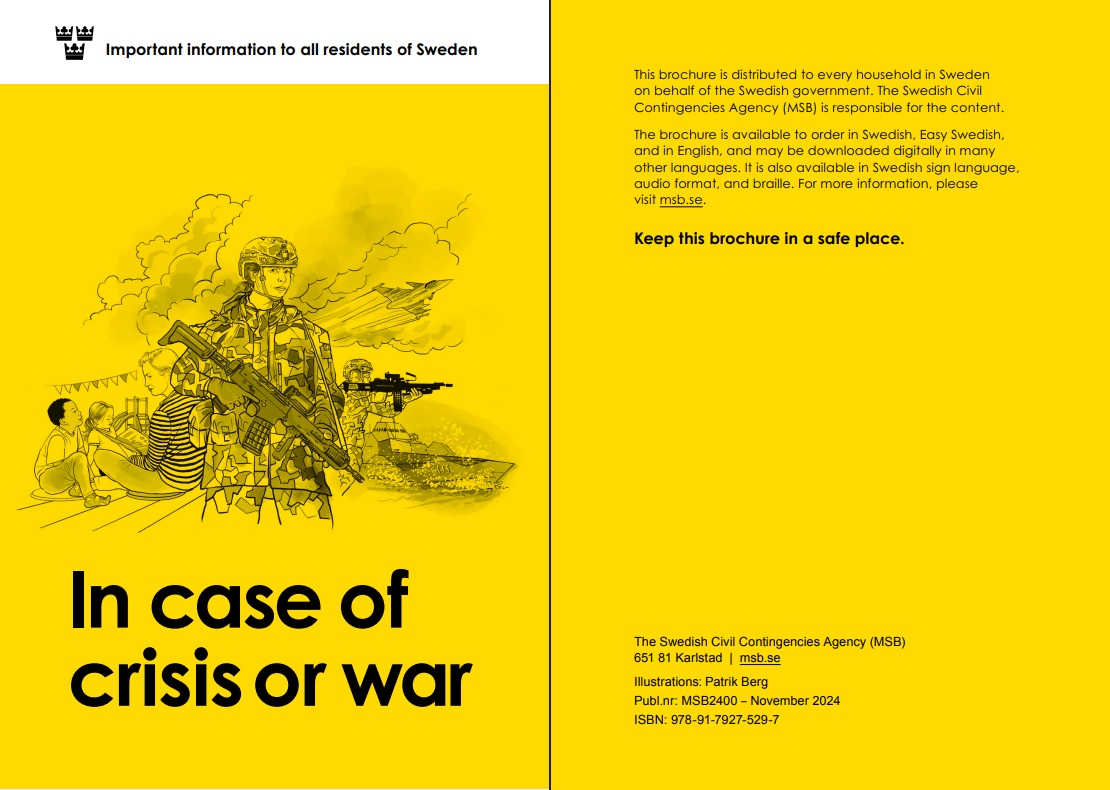
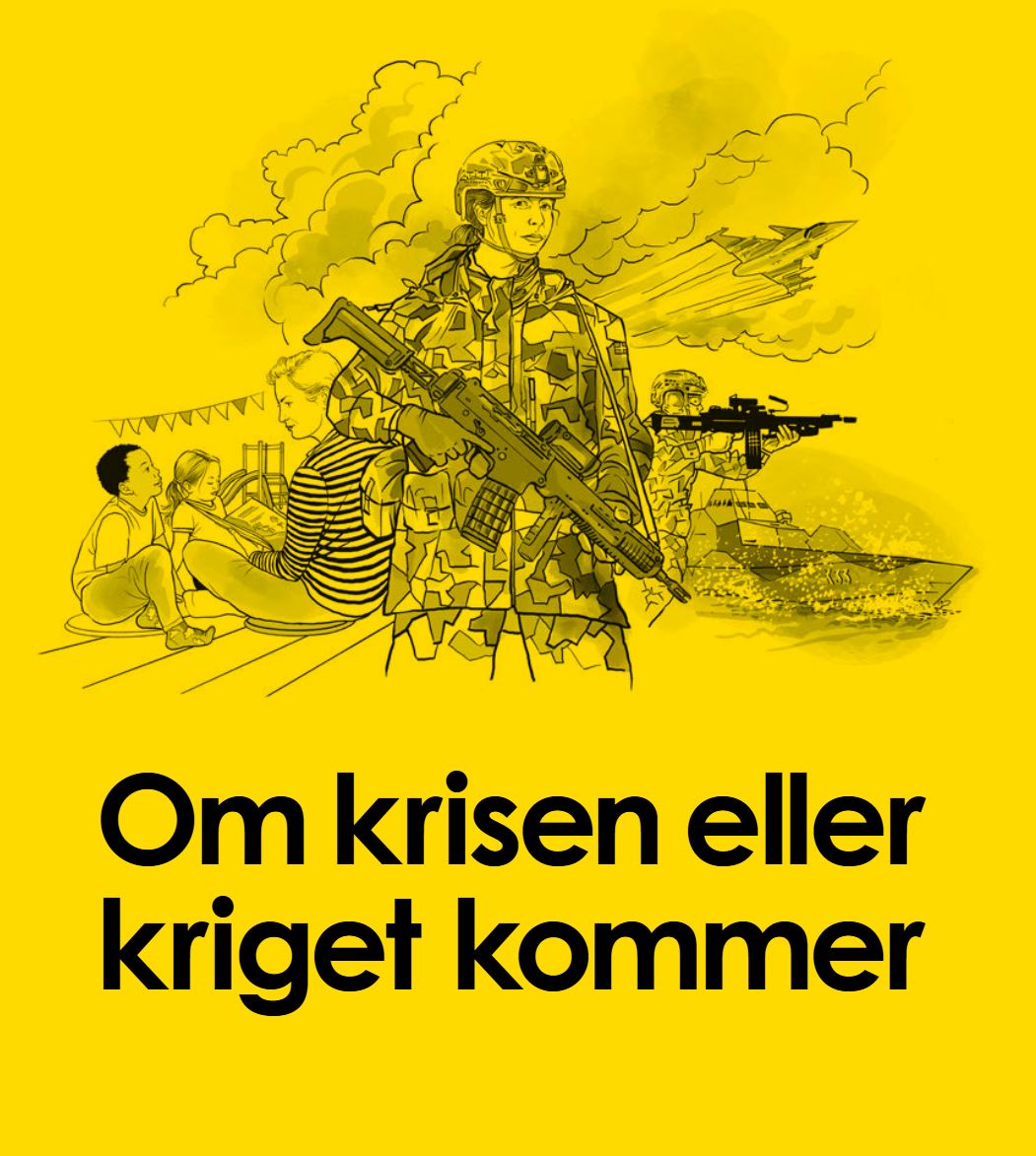
This broadened focus on business follows the MSB’s 2025 relaunch of its now-iconic household crisis brochure, “If crisis or war comes,” which instructs Swedes on self-sufficiency and emergency readiness under the total defence concept. The government’s approach recognizes that in a serious crisis, every part of society—from banks and logistics providers to food manufacturers—is expected to contribute to national resilience. Sweden’s Total Defence Bill 2025–2030 has increased allocations for civil and military defence, underlining a recognition that robust private-sector preparedness is as crucial as military capability.
Nordic Neighbours: A Wider Trend in Corporate Readiness
Sweden’s overhaul comes as other Nordic countries update guidance for both their citizens and businesses, spurred by the Russian invasion of Ukraine and a volatile security environment. Denmark, Finland, and Norway have all developed new crisis communications and continuity planning resources for companies. Finland’s model is particularly advanced, with strategic public-private partnerships and digital resources outlining the roles businesses play during crisis or conflict.
Comparative analysis highlights:
- Finland: Digital guidance for firms, explicit about support for military operations and civil society
- Norway: Focus on local-regional collaboration, strong emphasis on maintaining supply and critical services
- Denmark: National emergency messaging with tailored advice for sectors vulnerable to disruption
Common to the Nordic region is a “whole-of-society” approach, blending government, public, and private sector efforts in crisis preparation and resilience-building.
Challenges and Lessons
Official reports note that, despite robust intentions, coordination among agencies, local authorities, and private entities remains a challenge. After-action analyses from recent peacetime crises show uncertainty about roles and communication between stakeholders can limit the effectiveness of joint crisis management. The new Swedish business guide is partly a response to these findings, aiming to clarify expectations and encourage proactive planning at every organizational level.
Looking Ahead
With the MSB’s business-oriented preparedness guide due by year’s end, Sweden’s strategy signals an intensified, integrated approach to civil defence—recognizing that, in times of crisis or war, corporate preparedness is not optional but essential. As Minister Bohlin puts it, “It’s more about a guide for help to self-help.” Combined with similar moves across the Nordics, this marks a transformative moment in how Northern Europe secures its societies against an uncertain future.
Main threats to Swedish Businesses
To concretise, as Swedish authorities have highlighted several key threats to businesses in the country, especially in light of the global economic climate and internal challenges, some of the most notable threats include:
1. Rising Energy Costs
- High energy prices have been a significant concern for many Swedish businesses, particularly those in energy-intensive industries. This has been exacerbated by disruptions in the global energy market, primarily due to geopolitical tensions.
2. Global Supply Chain Disruptions
- Businesses are still facing supply chain issues, stemming from global disruptions like the COVID-19 pandemic and ongoing international logistics bottlenecks. These disruptions have led to delays and increased costs for many industries.
3. Labor Shortages
- There’s a significant shortage of skilled labour in Sweden, particularly in the tech, healthcare, and manufacturing sectors. This has been partly due to an aging population and insufficient vocational training programs.
4. Rising Inflation and Interest Rates
- The inflationary pressures in Sweden, along with the increasing interest rates set by the central bank, have created challenges for Swedish businesses. Higher borrowing costs impact investment and expansion, while inflation reduces purchasing power.
5. Geopolitical Instability
- The ongoing war in Ukraine and the broader geopolitical instability in Europe have created an uncertain business environment. Swedish businesses, particularly those with international trade relations, are feeling the impact of fluctuating currencies, trade restrictions, and potential sanctions.
6. Climate Change and Environmental Regulations
- Businesses are also facing growing pressure to meet Sweden’s ambitious climate goals. As environmental regulations tighten, companies are required to invest in sustainable practices, which can be costly in the short term, though potentially beneficial in the long run.
7. Cybersecurity Risks
- With the increasing digitalisation of businesses, cybersecurity threats have become a growing concern. Swedish authorities have pointed out that the rise in cyberattacks poses a serious risk to both private companies and public institutions.
8. Changes in Consumer Behaviour
- Shifting consumer behaviour, such as growing demand for sustainability and digital services, is both a threat and an opportunity. Companies that fail to adapt to these changes may lose market share, while those who align with these trends could thrive.
The combination of these factors requires Swedish businesses to be adaptable and proactive in managing risk and preparing for potential disruptions.