
Danes are being encouraged to carry more than one type of payment card after this summer’s system crash left much of the country unable to pay by card for several hours.
The National Bank of Denmark has issued new recommendations aimed at making the payment system more resilient. At the top of the list: every household should have at least two payment cards from different providers.
According to the bank’s latest data, only 44 percent of Danes currently meet that standard. For the rest, it may mean a call to their bank for an extra card.
“It’s basically about different cards running on different rails,” said Ulrik Nødgaard, Director of the Nationalbank. “You can easily have a situation where one payment system fails while another continues to work. That’s where the value lies in having multiple cards.”
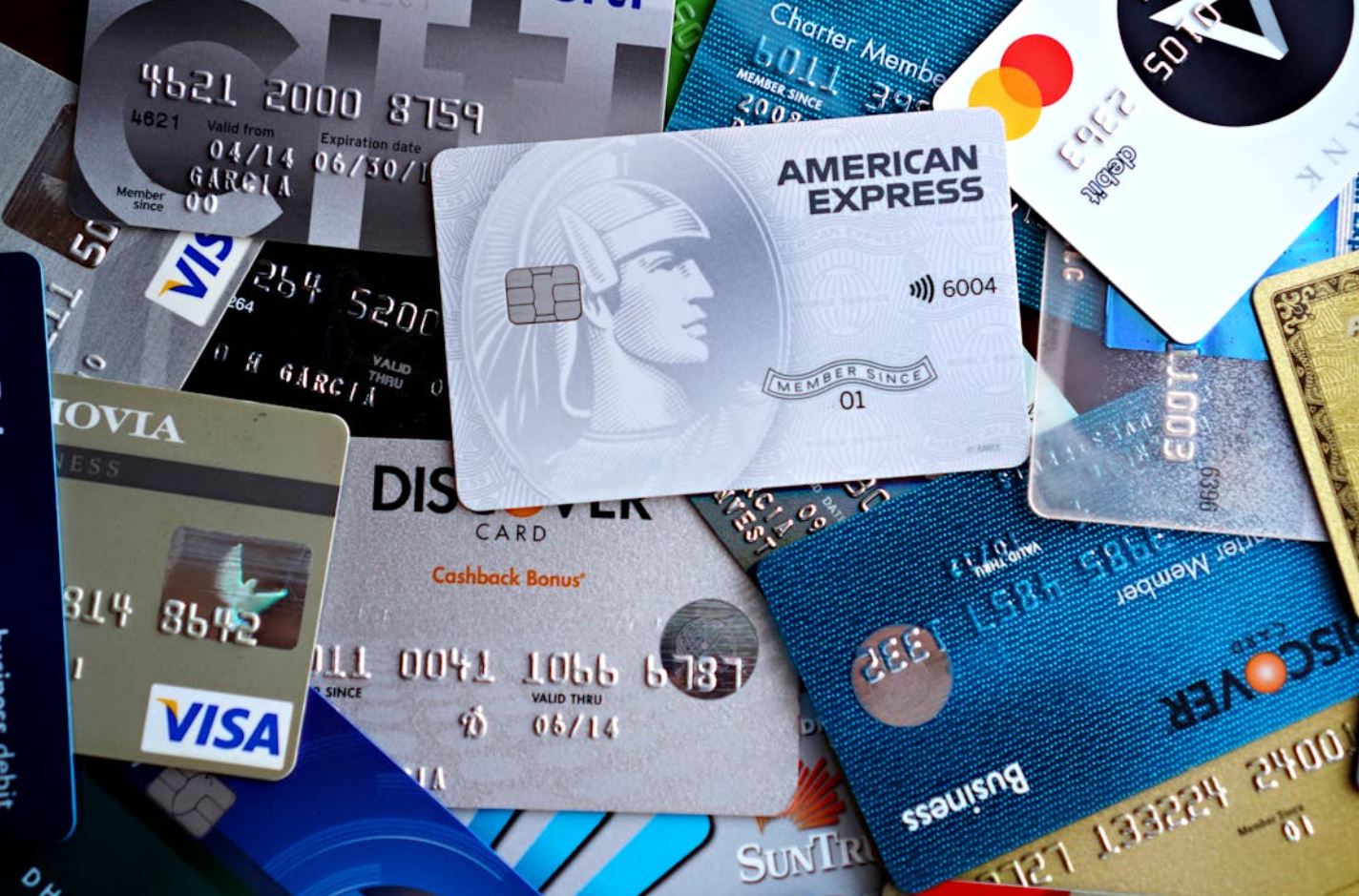
Many Danes already use so-called co-badged cards—typically a Visa/Dankort or Mastercard-Dankort—which combine two brands on one card. But Nødgaard emphasized that this isn’t enough protection. The Nationalbank recommends holding two separate cards that operate on distinct systems, such as one Visa and one Mastercard.
“That gives you a stronger safety net,” he said. “It’s a small step that adds real resilience.”
Consumer Council: A Practical Step for Everyday Security
The Danish Consumer Council Think supports the move. The organization also welcomed the Nationalbank’s new recommendations for retailers, which include being able to handle offline payments and advising households to keep at least 250 kroner per person in cash.
“It’s smart to equip consumers on several fronts,” said Rolf Høymann Olsen, consumer policy advisor at Think. “We’re glad to see that shops are also being asked to prepare for payment disruptions.”
For most people, getting an extra card should be straightforward. “Some banks may charge a couple of hundred kroner a year for a second card,” Olsen noted. “It’s up to each person to decide if that’s worth the added security. We think it is.”
Olsen also pointed out that holding a co-badged Visa/Dankort isn’t enough to meet the recommendation. “You’ll need a card from another brand,” he said. “Visa and Mastercard are the most common, and their debit versions are usually the cheapest.”
Bottom line: the Nationalbank wants Danes to be better prepared for the rare but disruptive moments when the digital payment system falters. A second card—and a little cash at home—could make all the difference next time it does.