
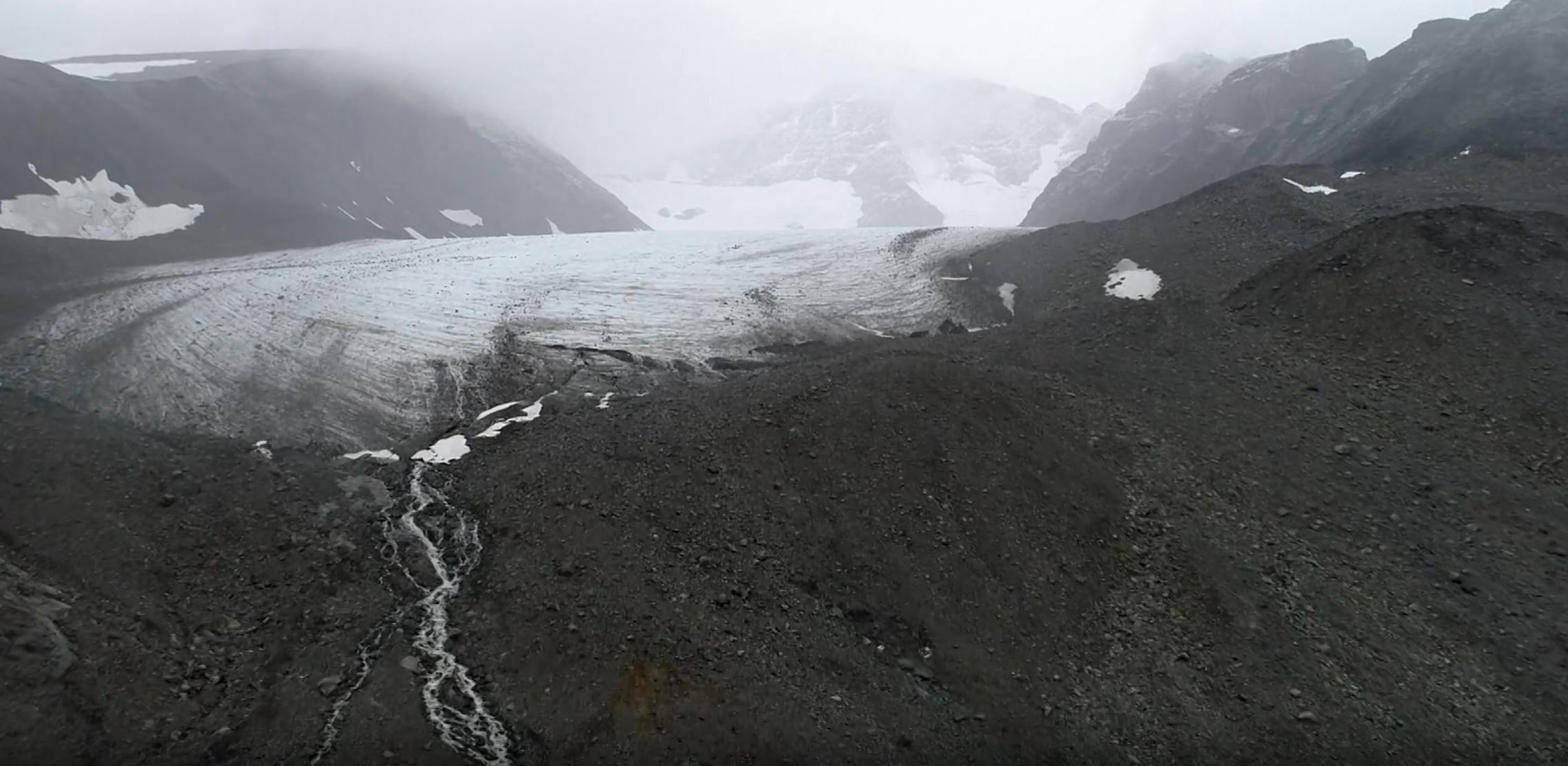
Stockholm – Sweden’s glaciers are still retreating, but for once the news isn’t all bad. After last year’s record collapse, the pace of melting has dropped by roughly half, according to new data from Stockholm University.
A heavy blanket of snow over the Scandinavian mountains helped insulate the ice through the summer heat, reducing melt rates on most monitored glaciers by 40 to 60 percent.
“The snowpack simply insulated the ice from the warmest days,” said glaciologist Nina Kirchner, who heads the university’s Tarfala Research Station. “But one snowy winter doesn’t undo three decades of shrinkage. The glaciers are still getting smaller.”
The Ripple Effects of a Slower Melt
Hydropower:
Reservoirs fed by glacier runoff will get a short reprieve. Vattenfall, Fortum, and local utilities should see stronger inflows through autumn, easing supply concerns before winter demand picks up. Swedbank analysts estimate the slower melt could boost hydropower output by 0.4–0.6 terawatt-hours this year—worth about SEK 250 million at current market prices.
Tourism:
After 2024’s dramatic ice loss scared off some visitors, bookings in mountain regions like Jämtland and Norrbotten rose about 5 percent this summer. “Guides can still offer glacier walks on Kebnekaise and Sarek,” said Peter Lindström, CEO of Swedish Lapland Tourism, “but the window is closing a little more each year.”
Mining and Infrastructure:
Companies like LKAB and Boliden are benefiting temporarily, as the slower melt extends the lifespan of high-altitude access roads built on compacted ice. Even so, Kirchner notes that permafrost thaw, not glacier melt, poses the greater long-term risk to northern mines and transport networks.
Outlook: A Pause, Not a Reversal
The catastrophic heatwave of 2024 wiped eight Swedish glaciers completely off the map—the largest one-year loss since modern monitoring began around 2000. This year, no new extinctions are expected. Still, about 30 of Sweden’s remaining 260 glaciers are on a watch list for possible disappearance within the next decade.
At Kebnekaise, the southern summit—once the country’s highest point—lost 1.5 meters of elevation this season, down from 3.1 meters last year. The decline has continued for seven straight years.
“Don’t mistake a single snowy winter for a turnaround,” Kirchner warned. “Sweden’s glaciers will keep shrinking. The only uncertainty is how fast.”