
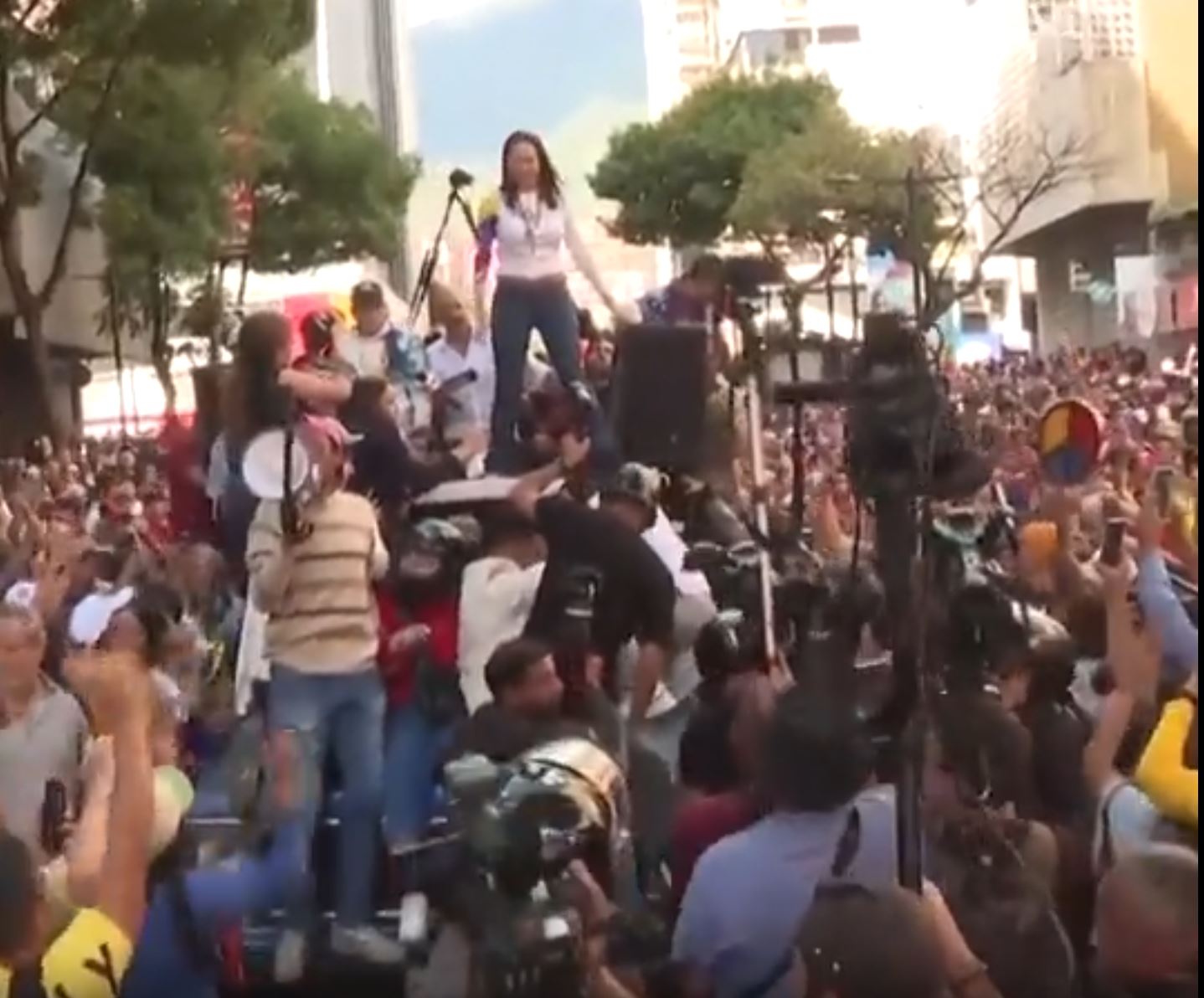
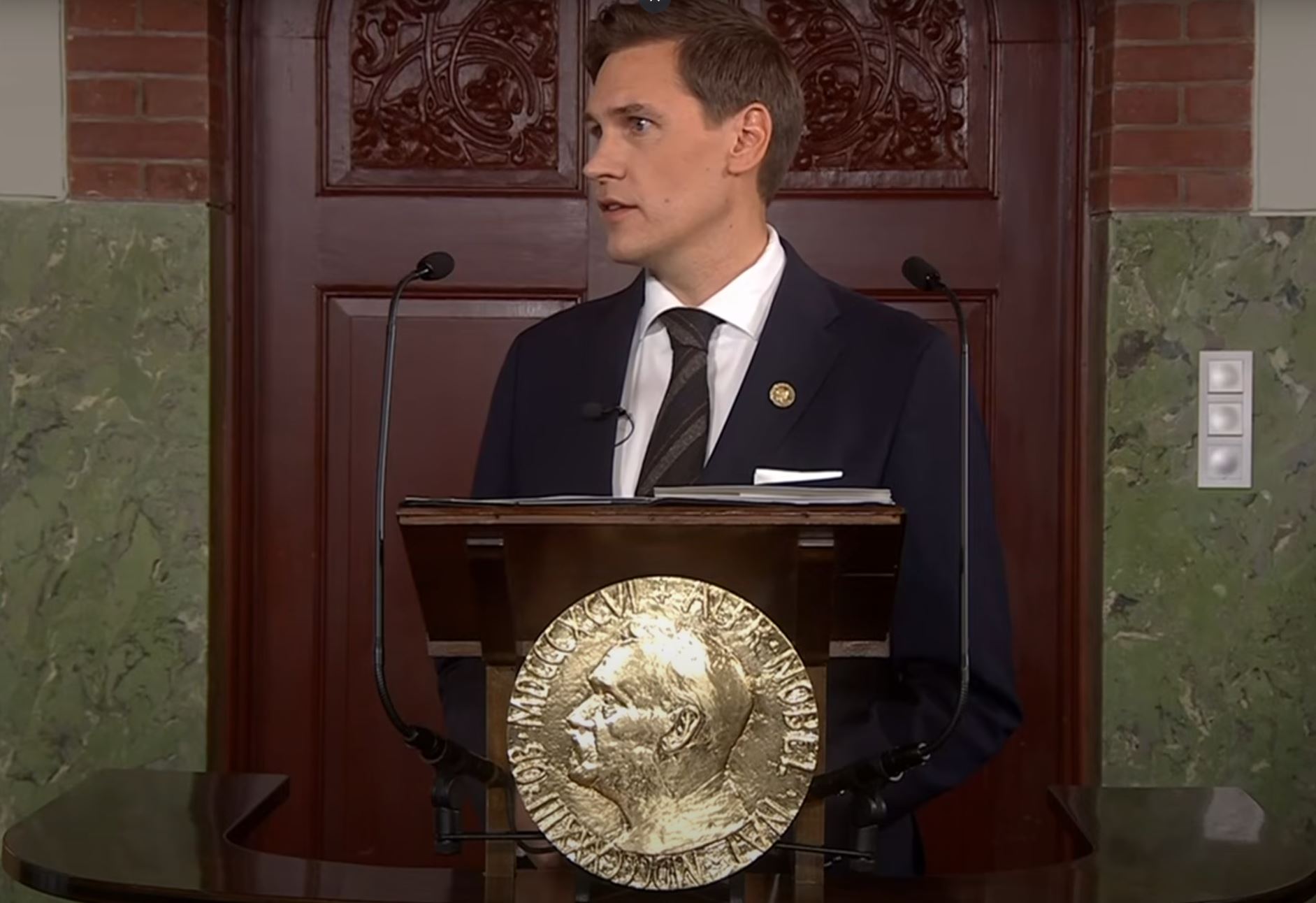
Venezuelan opposition leader María Corina Machado has been awarded the 2025 Nobel Peace Prize for her tireless work defending democratic rights in Venezuela and for promoting a peaceful transition from dictatorship to democracy.
Why Machado
Machado has continued her resistance despite political persecution, threats, and periods spent in hiding.
She has become a unifying force in Venezuela’s long-fractured opposition, mobilizing public opinion and demanding free, fair elections and representative government.
The role of women in peace and democracy
Her recognition underscores a broader truth: women are not just victims or bystanders in conflicts and authoritarian systems—they are often the driving force behind democratic change.
When women lead democratic movements, they tend to bring different perspectives on justice, inclusion, and civic participation.
Machado’s struggle shows how female leadership can sustain movements, inspire citizens, and endure under immense pressure.
The award also signals that peace and democracy cannot thrive without women as full and equal actors.
It’s been a tradition in the black struggle
Black women have been at the centre of nearly every major struggle for justice in the United States—often without getting the recognition they deserve. Their role has been both visible and behind the scenes, combining community organizing, intellectual leadership, and moral clarity. Here’s the real story, era by era.
1. Abolition and the fight against slavery
Black women like Sojourner Truth, Harriet Tubman, and Maria W. Stewart were among the earliest and most fearless voices against slavery.
- Tubman risked her life repeatedly to free enslaved people through the Underground Railroad.
- Truth’s “Ain’t I a Woman?” speech in 1851 forced America to face the hypocrisy of denying both racial and gender equality.
- Many Black women also built schools, churches, and mutual aid networks that helped freed people survive after emancipation.
2. Reconstruction to Jim Crow
After the Civil War, Black women organized at the local level to protect their communities from violence and disenfranchisement.
- Leaders like Ida B. Wells investigated lynching when few dared to.
- The National Association of Coloured Women, founded in 1896, pushed education and civic participation under the motto “Lifting as we climb.”
They were simultaneously fighting white supremacy, sexism, and class inequality—what we now call intersectionality.
3. Civil Rights Movement
The movement wouldn’t have existed without Black women.
- Rosa Parks wasn’t just tired on a bus; she was an experienced organizer who had investigated sexual violence against Black women years earlier.
- Ella Baker built the grassroots organizing model that fueled SNCC and later influenced countless activists.
- Fannie Lou Hamer gave the movement its moral backbone, speaking raw truth about poverty, voter suppression, and dignity.
These women rejected top-down leadership and pushed for collective, community-driven action.
4. Feminism and intersectionality
In the 1970s and beyond, Black women reshaped feminism itself.
- The Combahee River Collective coined the term “interlocking oppressions,” laying the foundation for what would later be called intersectional feminism.
- Writers like Audre Lorde, bell hooks, and Angela Davis challenged both white feminism and male-dominated Black activism, insisting that liberation must include everyone.
5. Modern movements
From Black Lives Matter—founded by Alicia Garza, Patrisse Cullors, and Opal Tometi—to reproductive justice and voting rights, Black women remain on the front lines.
- They’ve led grassroots campaigns, digital organizing, and policy reform.
- Figures like Stacey Abrams and Brittany Packnett Cunningham show how community organizing can evolve into political power.
Bottom line
María Corina Machado now stands as a symbol of how civil resistance, freedom, and democratic values can survive even under repression. Her prize is not only a personal victory—it’s a reminder that women are often at the heart of building peace, not through weapons, but through conviction, endurance, and courage.
For the Black women, they have never waited for permission to lead. They’ve confronted the country’s deepest contradictions—freedom versus oppression, democracy versus exclusion—and forced progress through persistence, intellect, and care for community.
Their story isn’t one of supporting roles. It’s the story of holding America accountable to its own ideals.