
The World Health Organization (WHO) has issued a pointed warning to the Swedish government, asserting that recent policy changes are actively undermining the country’s long-standing alcohol monopoly—a cornerstone of Sweden’s public health strategy for decades. The criticism comes as the government presses ahead with reforms that, while modest in scope, signal a potential shift away from strict alcohol controls.
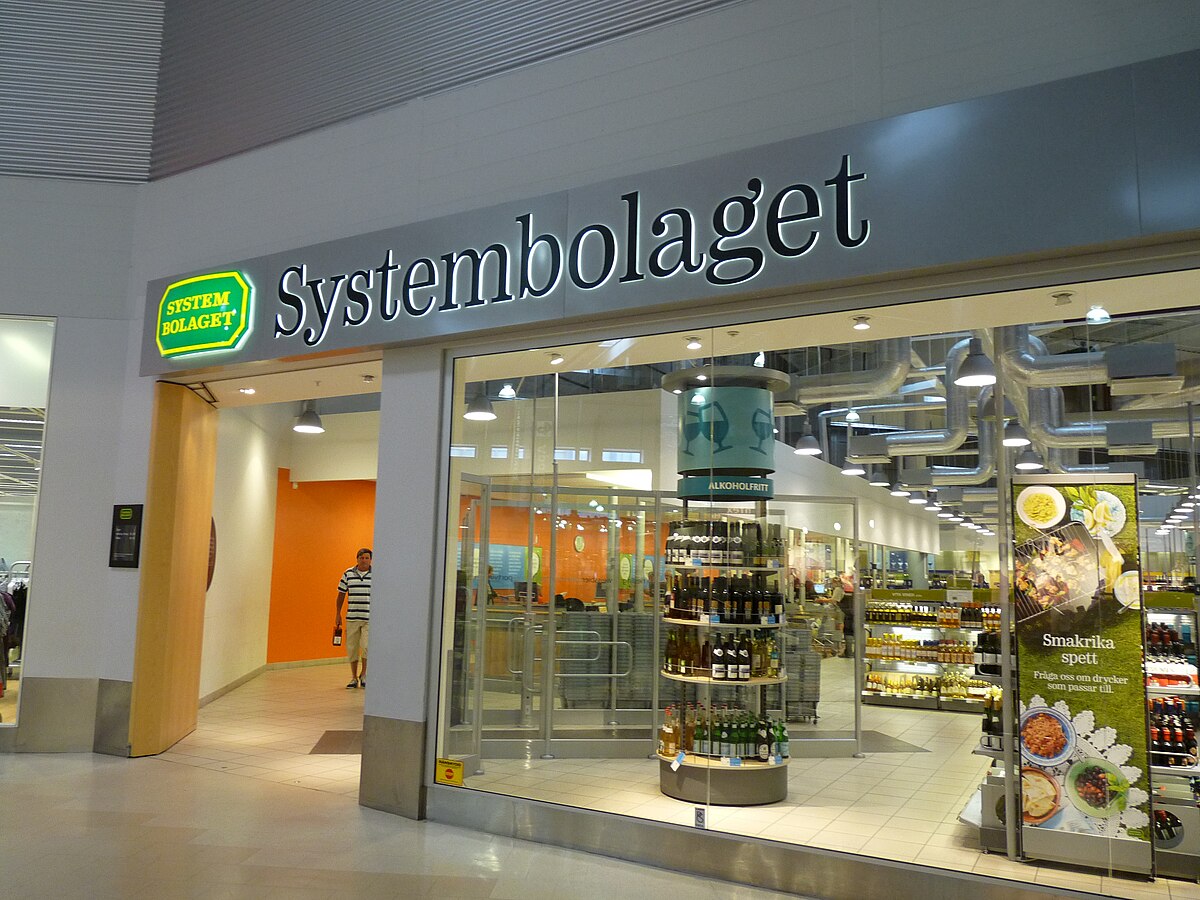
On June 1, 2025, Sweden implemented a new exception to its alcohol retail rules, permitting limited “yard sales” of alcoholic beverages at distilleries and craft producers. Under the revised regulations, consumers may purchase alcohol only in conjunction with a paid educational or guided tour, and purchases are capped at a small number of bottles per visit. The measure was introduced by the Ministry of Health and Social Affairs as a way to support small-scale producers without dismantling the core structure of Systembolaget, the state-owned alcohol retail monopoly.
However, WHO Europe views the move as a dangerous precedent. In a formal letter sent this summer, Dr. Hans Kluge, WHO Regional Director for Europe, expressed “serious concern” that even minor liberalizations could erode the integrity of Sweden’s alcohol control model.
“When you dismantle monopolies—even incrementally—you increase access and availability,” said Carina Ferreira-Borges, WHO Europe’s Programme Manager for Alcohol and Illicit Drugs. “Evidence consistently shows that greater availability leads to higher consumption, which in turn drives alcohol-related harm: liver disease, injuries, mental health issues, and premature mortality.”
Sweden’s alcohol policy has long been held up as a public health success story. Systembolaget’s strict control over pricing, availability, and marketing has contributed to historically low per capita alcohol consumption compared to other high-income European nations. The model enjoys broad public support and has been credited with reducing alcohol-attributable deaths and social harms.
Yet the current centre-right coalition government, led by the Christian Democrats (KD), appears willing to test the boundaries of that consensus. Health Minister Elisabet Lann, who assumed office earlier this year, has defended the new policy as a targeted accommodation for artisanal producers—not a step toward full liberalisation.
“I think the concern is greatly exaggerated,” Lann told the Nordic Business Journal. “The Swedish model remains intact. It has strong public support and has demonstrably benefited population health. These limited sales are tightly regulated and do not represent a weakening of our core principles.”
Still, public health experts caution that even small concessions can open the door to broader deregulation. Historical precedents in other Nordic countries—such as Finland’s gradual relaxation of alcohol laws—have often led to sustained increases in consumption over time.
Moreover, critics note that the current policy lacks robust monitoring mechanisms to assess its real-world impact. Without rigorous evaluation, it may be difficult to detect early warning signs of rising alcohol use or related harms.
As Sweden navigates the tension between supporting domestic entrepreneurship and safeguarding public health, the WHO’s warning serves as a timely reminder: alcohol policy is not merely a matter of commerce—it is a critical determinant of national well-being.
The Nordic Business Journal will continue to monitor developments in Sweden’s alcohol policy and their implications for public health, economic equity, and regulatory integrity across the region.