
Sweden, long heralded as a global exemplar of social equity and robust welfare, is confronting a troubling reversal: child poverty is on the rise. According to a newly released report by Save the Children, more than 276,000 children—12.9% of all minors in the country—lived in economic vulnerability in 2023. That figure represents a sharp increase of 100,000 children compared to previous estimates, driven by a revised methodology that better captures the real-world impact of inflation, stagnant wages, and soaring living costs.
Redefining Child Poverty in a Cost-of-Living Crisis
Historically, Sweden has measured child poverty using relative income thresholds—typically defined as households earning less than 60% of median disposable income. However, Save the Children’s latest report introduces a more nuanced metric: economic vulnerability. This measure accounts not just for income, but for whether a family can realistically afford basic necessities—nutritious food, adequate housing, heating, transportation, and participation in school-related or social activities—amid today’s economic pressures.
The shift reveals a stark reality: what once appeared as manageable hardship is now unaffordable strain for many families. “This isn’t just about statistics—it’s about children skipping school trips, lying to their parents about not wanting to join sports, or going without winter coats,” says Åsa Regnér, Secretary General of Save the Children and former Minister for Gender Equality in the Swedish government. “No child in a country as wealthy as Sweden should have to shield their parents from financial stress.”
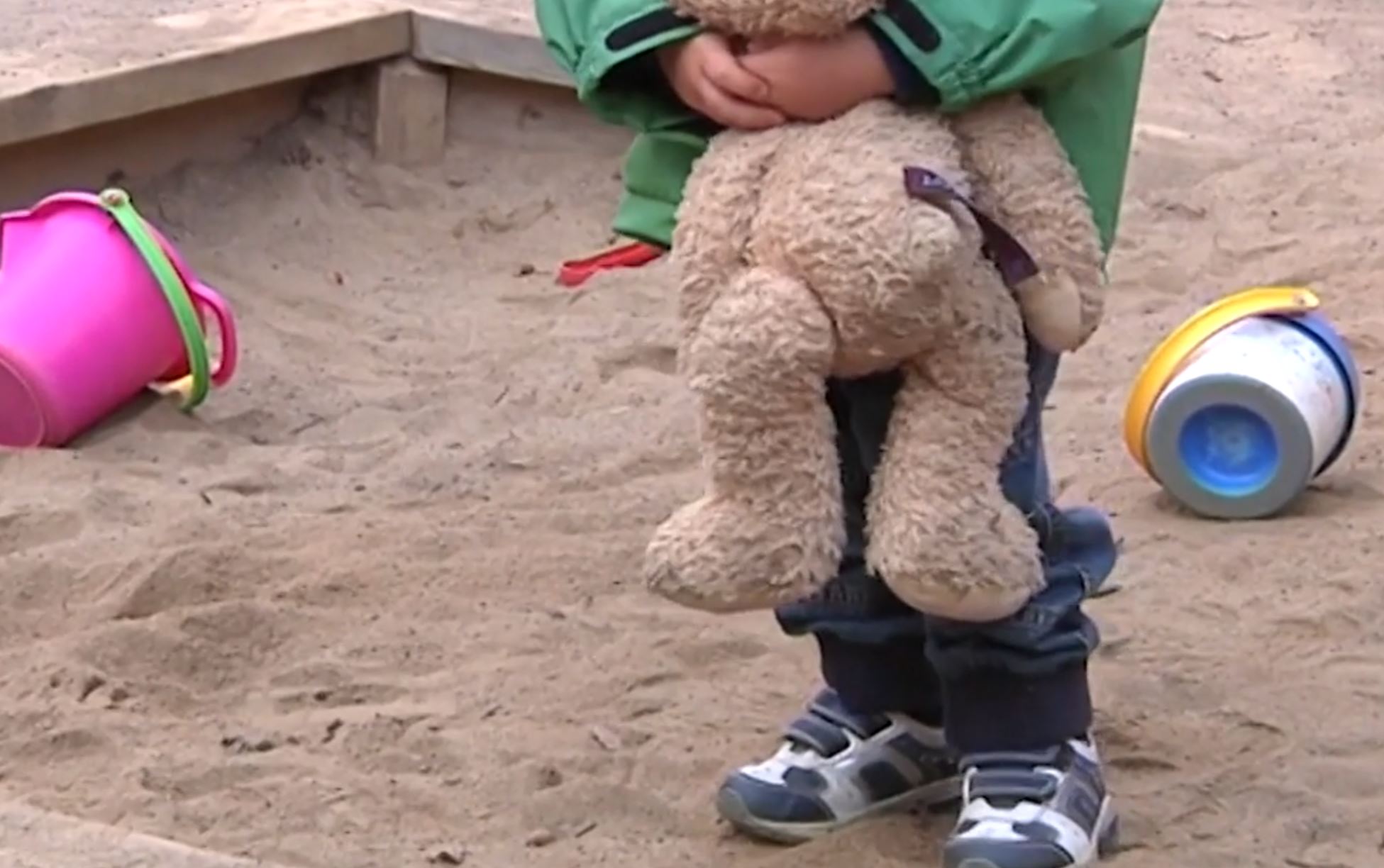
Deepening Inequalities Along Ethnic and Family Lines
The data exposes profound disparities. Children with foreign-born parents face dramatically higher risks: those with single mothers born outside Sweden experience economic vulnerability at a rate of 50%, compared to just 1.2% for children with two Swedish-born parents living together. This sixfold gap underscores systemic challenges in labour market integration, housing access, and social support.
Tapio Salonen, Senior Professor of Social Work at Malmö University and lead author of the report, attributes this to a “prolonged and inefficient integration process.” Many foreign-born parents—particularly women—work in low-wage, female-dominated sectors such as eldercare, cleaning, or retail, where earnings fall short of covering basic needs despite full-time employment.
A Turning Point After Years of Progress
From 2020 to 2022, Sweden saw a modest decline in child economic vulnerability, thanks in part to pandemic-era support measures and stable inflation. But that trend reversed sharply in 2023 as inflation surged past 10% and real wages contracted. “When you’re already living paycheck to paycheck, even small price hikes in food, electricity, or rent can push a family over the edge,” Salonen explains.
The updated methodology, when applied retroactively, confirms a clear inflection point: child poverty is no longer declining—it is accelerating.
Government Response: Acknowledgment Without Urgency
While the Swedish government has acknowledged rising living costs, its policy response has been criticized as insufficient. The current centre-right coalition, led by Prime Minister Ulf Kristersson, has prioritized fiscal restraint and labour market reforms over direct income support expansion. In parliamentary debates, ministers have pointed to employment as the primary solution—but critics argue this ignores the reality of working poverty.
Save the Children contends that existing child and housing allowances have not kept pace with inflation since 2021. The organization is now calling for:
- Automatic annual adjustments of child and housing benefits to match inflation;
- Free public transport for all children under 18;
- A nationwide ban on fees for school excursions, sports, and extracurricular activities.
“These aren’t luxuries—they’re prerequisites for equal opportunity,” Regnér insists. “Inclusion begins when every child can say ‘yes’ to the same experiences.”
Beyond Income: The Hidden Toll on Children
Child poverty in Sweden today is less about absolute destitution and more about exclusion. Surveys cited in the report reveal that children in economically vulnerable households often develop coping mechanisms to avoid burdening their parents—skipping meals, declining invitations, or feigning disinterest in activities. Such behaviours, while emotionally protective in the short term, can lead to social isolation, lower academic performance, and long-term psychological effects.
A Test for the Swedish Model
Sweden’s welfare state was built on the promise that no child’s future should be determined by their parents’ income. Yet the resurgence of child poverty—especially along lines of migration background and family structure—challenges that foundational principle. As inflation eases in 2025, the question is not whether Sweden can act, but whether it will.
With national elections approaching in 2026, child poverty is poised to become a defining issue. For a nation that prides itself on equality, the next policy choices will reveal whether Sweden remains a leader in child well-being—or allows it’s most vulnerable to fall through the cracks of a system designed to protect them.
Sources: Save the Children Sweden, “Child Poverty in Sweden 2025”; Statistics Sweden (SCB); Malmö University; Ministry of Health and Social Affairs.