
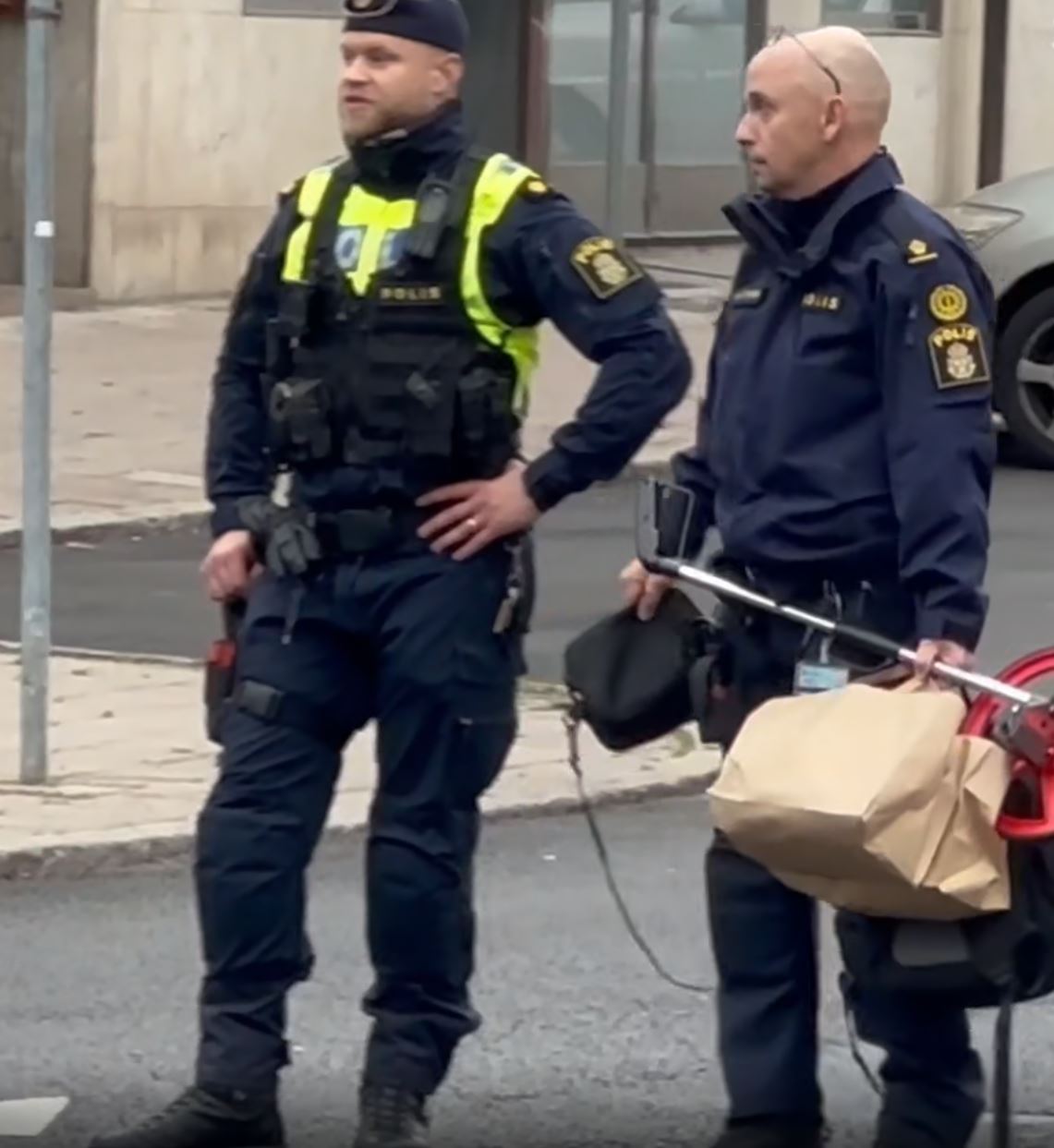
Police and municipal officials in Norrköping warn that a growing number of teenagers are being drawn into criminal networks through promises of luxury and belonging. The situation is described by local authorities as “very serious”, with violent conflicts between rival groups increasingly involving minors.
According to the police, several ongoing gang disputes in Norrköping have led to a sharp rise in the number of youths being taken into custody. Many of these young offenders are under 18, a trend mirroring development across Sweden’s mid-sized cities where social divides have deepened.
Economic and Social Roots
Analysts and law enforcement point to a combination of economic marginalization, weak community structures, and social isolation as key drivers behind the trend. Municipal data show that several neighborhoods in Norrköping face persistently high unemployment—especially among families with immigrant backgrounds—even among residents who hold vocational training or higher education.
Children growing up in these areas are acutely aware of Sweden’s affluence but lack tangible paths to reach it. This contrast, according to police social workers, fuels frustration and vulnerability.
“Gang leaders step in where society seems to have withdrawn. They offer attention, fast money, and status—a sense of inclusion that many of these young people are missing,” said a police community coordinator in Norrköping.
Recruiters often lure teenagers with promises of designer clothes, expensive meals, and an admired ‘Swedish lifestyle’ that their families could never afford. For youths who feel shut out of the job market and wider community expectations, the offer can appear irresistible.
A National Challenge
The phenomenon is not limited to Norrköping. Police and social authorities in Malmö, Eskilstuna, and Södertälje report similar developments, suggesting that organized crime groups are intentionally targeting vulnerable youth to replace older offenders imprisoned in recent crackdowns.
Swedish security analysts argue that tackling this problem will require long-term, multi-sector strategies—combining policing with stronger local job creation, mentorship programs, and early outreach to families at risk. Economists note that exclusion from mainstream job networks among second-generation youth has become a recurring weakness in Sweden’s labor market model.
Policy Context and a look into the future
The Norrköping municipality has recently partnered with regional business associations to develop vocational pathways and internships aimed at teenagers in affected districts. Police emphasize, however, that reversing the recruitment pattern will take years of coordinated work if structural barriers—economic, cultural, and educational—remain unaddressed.
As one local youth worker summarized: “You can’t stop recruitment with only patrol cars. You stop it by making sure young people see another kind of future worth choosing.”