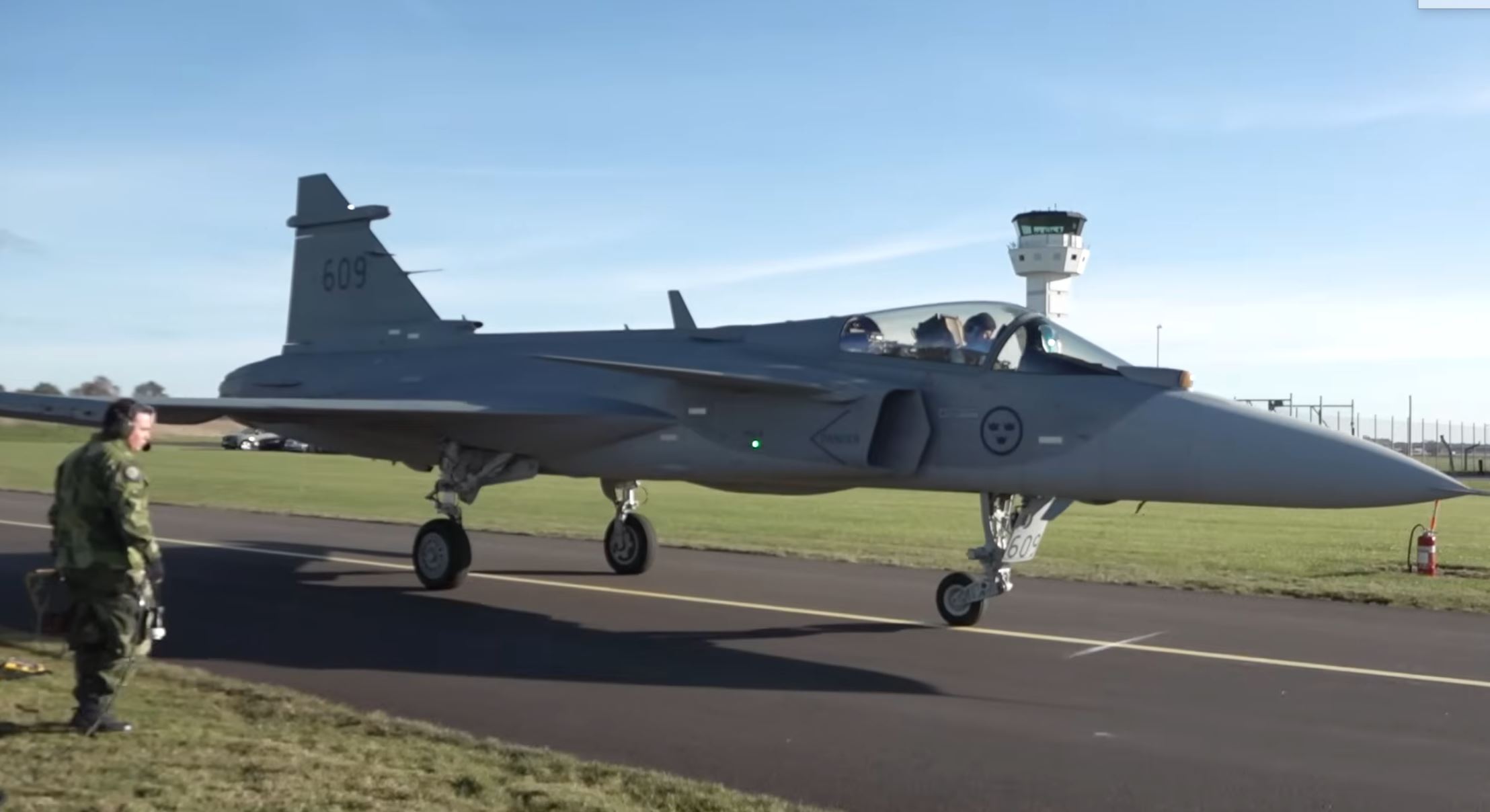
Sweden have unveiled plans for a historic potential defence export under which Sweden could provide up to 150 JAS 39 Gripen fighter jets to modernize Ukraine’s air force. The move marks Sweden’s largest-ever prospective aircraft export and signals deepening strategic defence ties between Stockholm and Kyiv amid the continuing war with Russia.
Sweden’s potential export of up to 150 JAS 39 Gripen jets to Ukraine could mark the country’s largest-ever defence trade agreement—representing a contract value exceeding $12 billion over the next 15 years if based on current Gripen E unit costs averaging $80–85 million per aircraft. The deal would also solidify Saab’s position as one of Europe’s top defence exporters, with potential to increase Sweden’s aerospace export volume by more than 25 percent compared to 2024 levels. For Ukraine, acquiring these aircraft could lift its NATO-standard air capability to parity with several Western European forces by the early 2030s, reshaping the military balance across Eastern Europe.
Defence pact and intentions
During his October 22 visit to Saab’s production facilities in Linköping, Ukrainian President Volodymyr Zelenskyy and Swedish Prime Minister Ulf Kristersson signed a joint letter of intent aimed at strengthening Ukraine’s air defence capabilities. The agreement foresees a long-term framework allowing for the sale of between 100 and 150 Gripen E fighter aircraft, developed by Saab. While the document is not yet a binding contract, both leaders described it as a pathway toward full-scale cooperation in aviation technology, weapons systems, and pilot training.
Kristersson stated that the potential deal would unfold over 10 to 15 years, depending on Sweden’s manufacturing capacity and the pace of Ukraine’s air force modernization. He called the agreement “the beginning of a long but vital partnership, both industrially and strategically.” Zelenskyy, for his part, emphasized that Gripen jets are now a “priority” for Ukraine and expressed his hope to begin acquiring the aircraft as early as 2026.
Technical and strategic significance
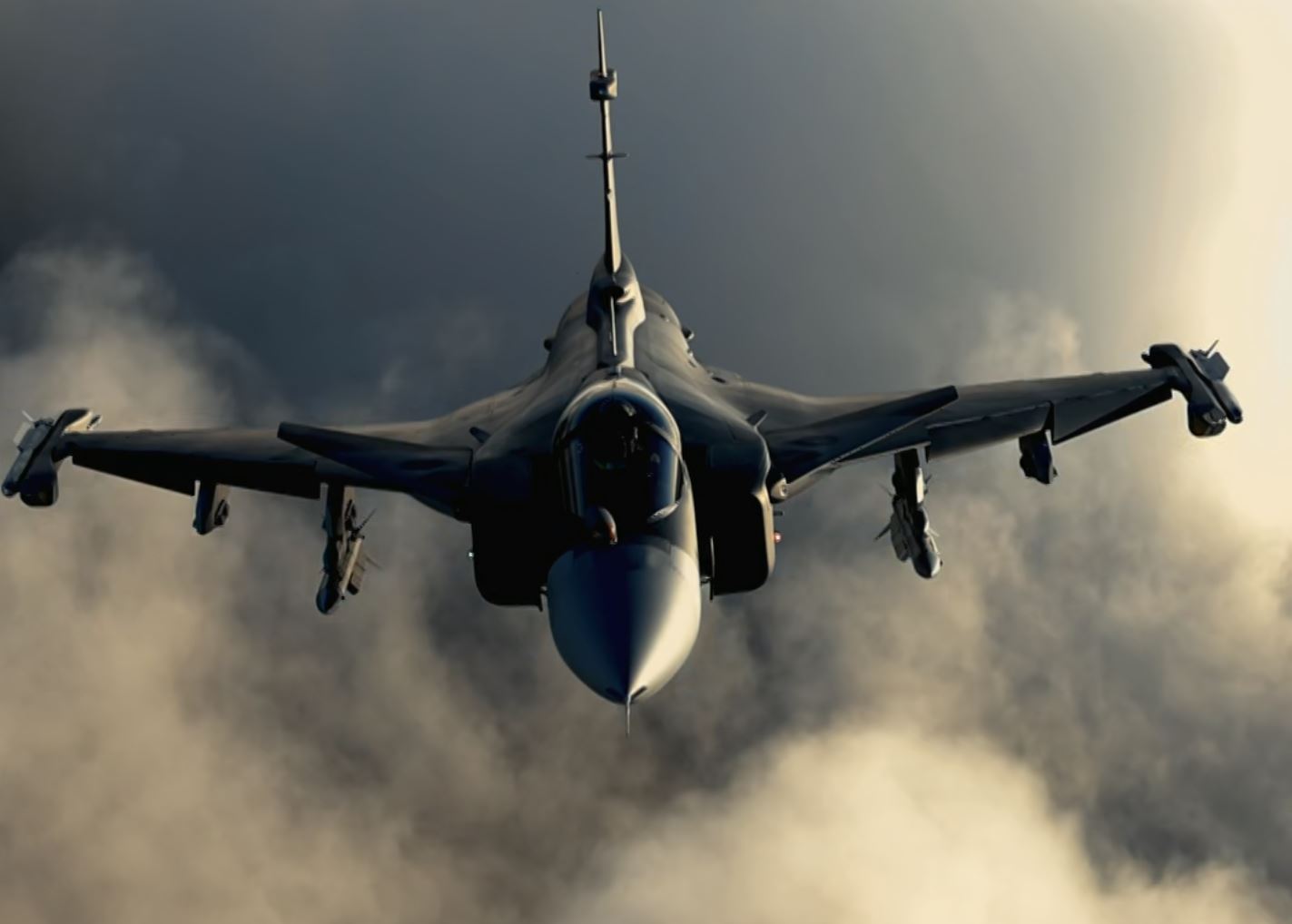
The Gripen E model, which is to be sold under the agreement, represents the newest generation of Sweden’s multirole fighter line. It features the General Electric F414G engine, enhanced avionics, and a sophisticated electronic warfare suite. The aircraft’s PS-05/A Mk4 radar and infrared search and track system (IRST) give it the capability to identify and engage multiple targets simultaneously, outperforming many regional adversaries. Its ability to operate from short or improvised runways, a hallmark of Sweden’s defense doctrine, is seen as particularly valuable for Ukraine, whose air bases are under constant threat from Russian strikes.
Analysts note that Gripens—originally designed to counter Soviet air threats—fit Ukraine’s needs in maintaining dispersed, mobile air operations. The platform’s low maintenance requirements and NATO-standard compatibility also ease integration with existing Western aid programs.
Timing, costs, and challenges
Sweden’s Defence Minister Pål Jonson has emphasized that full-scale deliveries of new-build Gripen E/F aircraft will depend on the conflict’s evolution, explaining that immediate transfers during wartime would carry political and operational risks. Saab began deliveries of its first Gripen E units to the Swedish Air Force in October 2025, and expanding production for export will require extensive industrial coordination.
Each aircraft carries an estimated cost of around $85 million, posing major financing challenges for Ukraine unless significant Western funding support is secured. While Kristersson suggested that deliveries could start within three years of a finalized contract, Zelenskyy has pressed for early inclusion of existing Gripen C/D models, potentially transferred ahead of the new airframes to accelerate operational readiness.
Broader European and industrial context
Sweden’s engagement reflects its new posture as a NATO member and a rising contributor to Europe’s defence ecosystem. The deal would deepen technological cooperation, create long-term industrial contracts for Saab, and reinforce Sweden’s status as a major European defense exporter. For Ukraine, a mixed fighter fleet of Gripens, F-16s, and Mirage 2000s would represent a decisive upgrade toward NATO-standard interoperability, helping secure its skies and integrate into Western defence infrastructure.
Analytical perspective – Nordic implications
Beyond the bilateral dimension, the potential Gripen export to Ukraine underscores a Nordic strategic alignment toward active participation in European security frameworks. It also strengthens Saab’s position in the competitive global fighter market alongside U.S. and European peers. For Sweden, the initiative demonstrates both industrial strength and geopolitical responsibility as a NATO state, while for Ukraine, it symbolizes a long-term commitment to Western defence integration and a clear signal of enduring Nordic support for its sovereignty.