
Sweden’s corporate acquisition landscape is undergoing a significant transformation—one shaped less by transatlantic capital and more by homegrown investors responding to macroeconomic and regulatory shifts. While buyout activity is accelerating across the Nordic region, the profile of buyers has changed dramatically over the past 12 months, with the surging Swedish krona playing a pivotal role in sidelining American acquirers.
According to Henrik Kjellander, Executive Partner and M&A specialist at Setterwalls, the once-dominant presence of U.S. investors in Sweden’s buyout market has waned. “A year ago, American stakeholders were the primary drivers of large-scale acquisitions here,” Kjellander notes. “Today, that dynamic has reversed—largely due to the krona’s strength, which has eroded the purchasing power of dollar-denominated capital.”
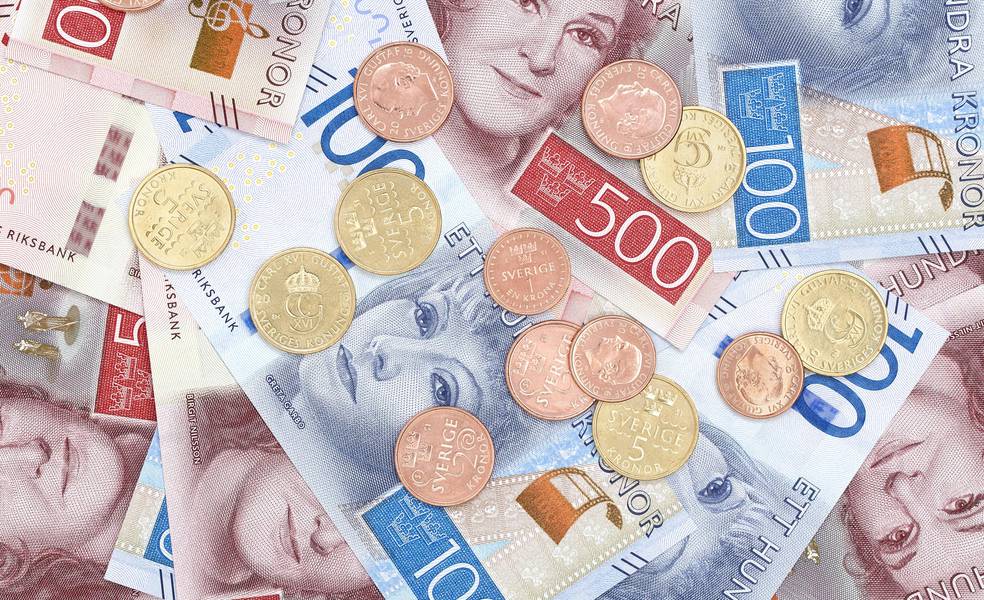
The Swedish krona has appreciated nearly 12% against the U.S. dollar over the past year, driven by the Riksbank’s relatively hawkish monetary stance compared to the Federal Reserve’s more cautious rate trajectory. For U.S. private equity firms and strategic buyers, this currency shift has made Swedish targets significantly more expensive—effectively pricing many out of deals they might have pursued in 2024.
In their place, a new wave of domestic buyers has emerged: Swedish ownership consortia, local private equity (PE) firms, and hybrid structures that blend Nordic capital with selective international co-investors. These players are not only more insulated from currency volatility but also better positioned to navigate Sweden’s increasingly complex regulatory environment.
Regulatory Hurdles Add Complexity to Cross-Border Deals
Two critical factors now determine the success—or failure—of major transactions: foreign direct investment (FDI) screening and competition authority approvals. Under Sweden’s updated FDI regime, which aligns with broader EU safeguards, transactions involving sensitive sectors (such as critical infrastructure, defence, or advanced technology) face enhanced scrutiny.
“In large, cross-border deals, you often need approvals from multiple jurisdictions,” Kjellander explains. “A tender offer is always conditional on these clearances, and delays are common. Misjudging the timeline or scope of required permits is one of the most frequent—and costly—mistakes we see.”
While listed Swedish companies generally manage these processes competently, Kjellander warns that unlisted or mid-market targets may lack the compliance infrastructure to anticipate regulatory roadblocks. “If rights issues aren’t properly structured or latent disputes surface during due diligence, we often advise clients to walk away,” he says.
Sweden’s Over listed Market Fuels Buyout Momentum
Beneath these tactical shifts lies a structural driver unique to Sweden: the country hosts the highest number of listed companies per capita in Europe—over 700 on Nasdaq Stockholm alone. Many are small- or mid-cap firms with limited analyst coverage, thin trading volumes, and constrained access to public market financing.
“This over listed ecosystem creates natural consolidation pressure,” Kjellander observes. “For numerous companies, going private isn’t a retreat—it’s a strategic reset. They can restructure, invest, and innovate without the quarterly scrutiny of public markets.”
Private equity firms, in particular, are capitalizing on this opportunity. With dry powder levels remaining high despite global uncertainty, Nordic PE houses are partnering with industrial investors and family offices to take public companies private—especially in sectors like industrials, healthcare, and green tech, where long-term value creation aligns with Sweden’s sustainability ambitions.
Notably, Kjellander refrains from singling out any one sector as the “hottest” target. “It’s less about industry and more about governance, scalability, and strategic fit,” he says. “The best opportunities are companies with solid fundamentals that are simply mismatched with the public market environment.”
Future look – Domestic-Led Buyouts to Dominate Through 2026
With the krona expected to remain strong amid Sweden’s stable inflation outlook and resilient economy, U.S. buyers are unlikely to regain their former foothold in the near term. Meanwhile, domestic and pan-Nordic investor networks are deepening, supported by favourable financing conditions and a growing appetite for operational turnarounds.
For the Nordic Business Journal, the message is clear: Sweden’s buyout renaissance is no longer an international story—it’s a homegrown one. And as long as the public markets remain crowded with underperforming listings, the pipeline for private equity and consortium-led take-private deals will stay robust.
— Reporting by Nordic Business Journal; insights from Henrik Kjellander, Setterwalls.