
Dar es Salaam, Tanzania — Tanzania is facing its most severe political and humanitarian crisis since independence in 1961, following violent unrest triggered by deeply contested presidential and parliamentary elections held on Wednesday, October 29, 2025. Credible reports from opposition sources, human rights organizations, and on-the-ground witnesses indicate that at least 700 people have been killed, with some estimates rising as high as 1,000 amid ongoing clashes between security forces and protesters.
Election Sparked Nationwide Fury
The unrest erupted after the electoral commission barred the two leading opposition candidates from running—one imprisoned on politically motivated charges, the other disqualified on dubious legal grounds—effectively clearing the path for incumbent President Samia Suluhu Hassan to secure a second term in what critics have labelled a “coronation, not an election.”
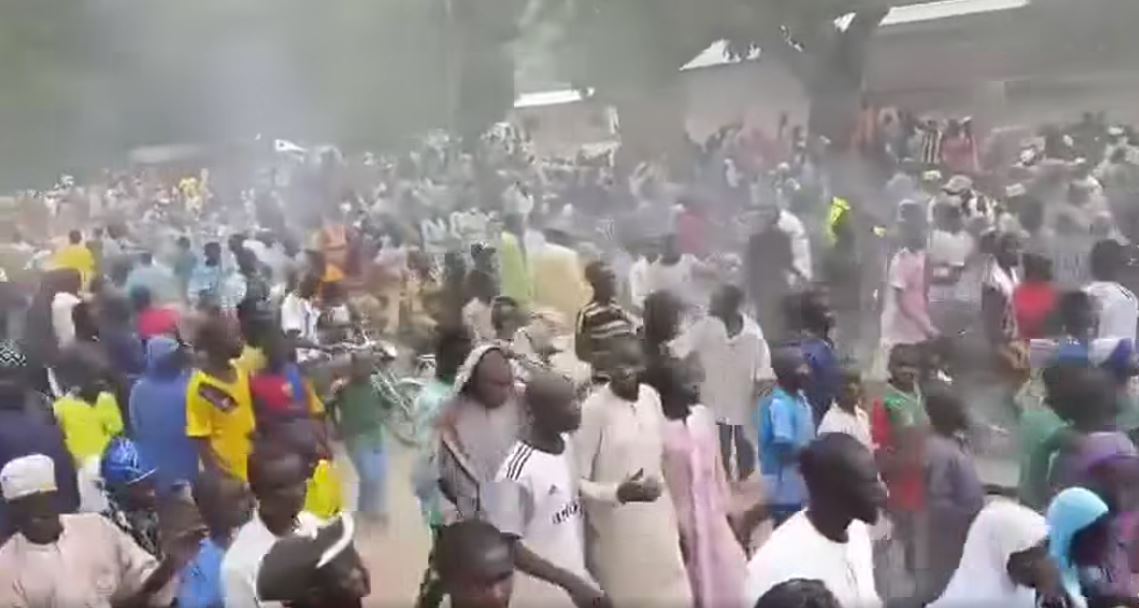
The exclusion of credible challengers galvanized mass protests, primarily led by Tanzania’s digitally connected Generation Z, who have leveraged social media to organize and document state violence—until the government imposed a nationwide internet and telecommunications blackout on Thursday, October 30. The shutdown, still in effect as of November 1, has severely hampered independent reporting and emergency communications.
Disproportionate Force and Disappearances
According to CHADEMA, Tanzania’s largest opposition party, security forces responded to largely peaceful demonstrations with excessive and lethal force, opening fire on crowds, storming polling stations, and conducting arbitrary arrests. The UN High Commissioner for Human Rights issued a statement on Friday condemning the “disproportionate use of violence” and urging Tanzanian authorities to respect the rights to assembly and free expression.
Even more alarming are reports of enforced disappearances. CHADEMA spokesperson Deogratias Munishi told Reuters that 52 activists, journalists, and opposition supporters vanished in October alone, with families left in the dark about their fate. “We don’t know if they’re alive or dead,” Munishi said. “No one feels safe.”
Sweden Issues Travel Warning
In response to the deteriorating security situation, Sweden’s Ministry of Foreign Affairs has issued a formal advisory against all non-essential travel to Tanzania, effective immediately and until further notice. Foreign Minister Maria Malmer Stenergard confirmed that approximately 1,000 Swedish citizens are currently in the country, and the embassy is prioritizing their safety and evacuation support if needed.
“We are deeply concerned by the scale of violence and the complete information blackout,” Stenergard said in a statement to Ekot. “Our embassy is operating under emergency protocols.”
Eyewitness Accounts Paint Grim Picture
Despite the communications blackout, SVT has received encrypted text messages from three anonymous sources inside Tanzania. Their accounts describe a nation on the brink:
“Today is worse than yesterday.”
“The military has taken over Dar es Salaam International Airport.”
“Curfew is strictly enforced—anyone outside is shot.”
“Hundreds dead in Arusha alone. People are terrified.”
One source warned that military rule could be imminent if protests continue unchecked, citing troop deployments in major cities and the suspension of civilian governance in several regions.
Regional Context: Cameroon Also Erupts in Post-Election Turmoil
Tanzania’s crisis is unfolding alongside another major democratic breakdown in Cameroon, where 92-year-old President Paul Biya was declared winner of the October 12 election with 53.66% of the vote—his eighth consecutive term after 43 years in power. Opposition leader Issa Tchiroma Bakary, who claims he actually won based on local tally sheets, has called the results fraudulent.
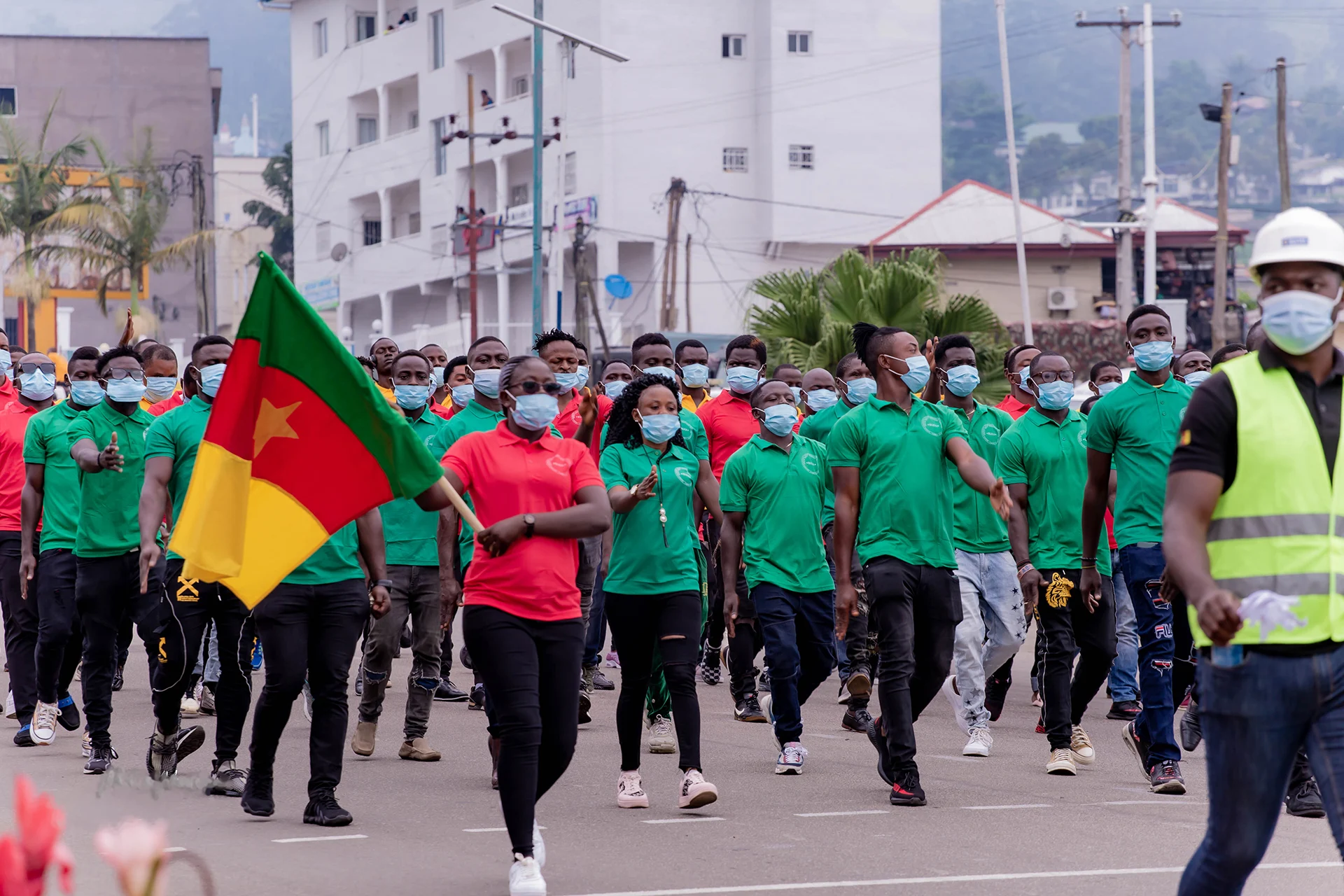
Protests in Douala, Yaoundé, and Garoua have been met with live ammunition, mass arrests, and at least 10 confirmed deaths. The EU, African Union, and UN have all condemned the crackdown, while civil society groups warn that Cameroon’s unresolved Anglophone conflict could escalate into wider civil strife.
Both nations now exemplify a troubling trend in parts of Africa: the erosion of electoral integrity, suppression of dissent, and the weaponization of state security apparatuses against citizens demanding democratic accountability.
Outlook
With Tanzania’s government showing no signs of de-escalation—and international observers largely excluded due to the communications blackout—the humanitarian and political toll is expected to rise. Analysts warn that without urgent diplomatic intervention and pressure for transparency, the country risks sliding into prolonged instability or authoritarian consolidation.
For now, the streets of Dar es Salaam, Arusha, and Mwanza remain tense, silent under curfew, and stained with blood—symbols of a democracy in collapse.
Nordic Business Journal will continue to monitor developments in Tanzania and Cameroon. Readers are advised to follow official travel advisories and support independent journalism covering these crises.