
In October 2023, new car registrations in Sweden decreased by 4 percent compared to the same month in 2022, according to figures from Mobility Sweden. A total of 24,078 new passenger cars were registered, signalling a drop from last year. However, when looking at the period from January to October 2023, new car sales in Sweden have increased by 4.4 percent year-on-year, indicating a positive overall trend for the year despite the October dip.
This decline in October’s car registrations is part of a broader trend in the Nordic region, where some countries are facing similar challenges. In this article, we will explore the factors driving this slowdown, examine Tesla’s performance in the Swedish market, and look at the broader context for the Nordic car market.
Car Registration Trends Across the Nordic Countries
While Sweden experienced a decline in car registrations, other Nordic countries show mixed results, with some markets showing resilience despite broader industry challenges:
- Norway: Norway, which has been a global leader in the adoption of electric vehicles (EVs), continues to see strong demand for EVs, even as the overall car market remains somewhat flat. EVs account for a large percentage of new registrations, continuing the country’s push towards sustainable transport.
- Finland: In Finland, the overall market has seen a modest decline, but electric vehicle registrations remain a bright spot, showing a shift towards greener car options. The Finnish government’s policies, which have supported EV adoption, continue to bolster the sector.
- Denmark: Denmark’s market has remained relatively stable compared to its Nordic neighbours. The demand for hybrid and electric cars remains strong, supported by continued government incentives and infrastructure investments.
Despite some declines in new car registrations across the region, it’s clear that the transition to electric vehicles is progressing, with Norway leading the charge and other countries like Finland and Denmark following suit.
Tesla’s Performance in Sweden
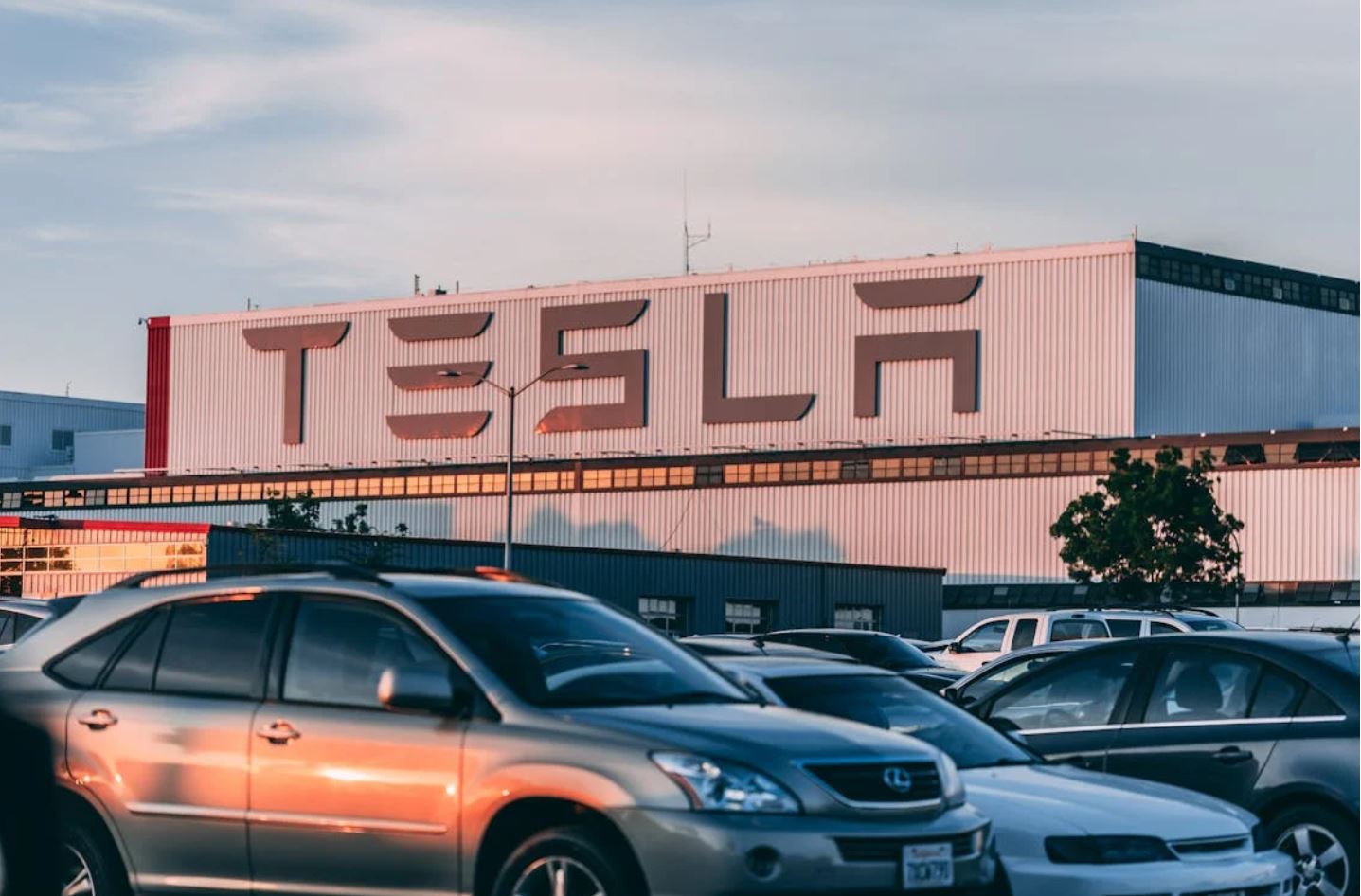
Tesla has seen a notable shift in its position within the Swedish car market. The company’s Model Y, which previously dominated the Swedish EV scene, saw a significant drop in market share. In October, the Model Y accounted for just 0.5 percent of all new car registrations, a sharp decrease from 4.1 percent during the same period in 2022. This marks a significant decline in Tesla’s presence in Sweden, though it remains a prominent player in the EV segment.
In contrast, Swedish brands continue to dominate the top spots. The Volvo XC60 was the most popular vehicle in Sweden last month, accounting for 8.4 percent of new registrations. The Volvo EX30/ XC40 also performed well, making up 6 percent of the total new car registrations.
While Tesla’s drop in market share is notable, it reflects a larger trend of increasing competition in the electric vehicle market. Traditional automakers, like Volvo, are ramping up their electric vehicle offerings, making the market more competitive for Tesla.
Factors Driving the Decline in Car Registrations
Several key factors are contributing to the decline in new car registrations across Sweden and the Nordic region:
- Economic Uncertainty: Rising inflation, increasing interest rates, and a general tightening of consumer spending have made potential car buyers more cautious. With financing costs higher, many consumers are choosing to delay or forgo purchasing new vehicles, which is reflected in the reduced number of registrations.
- Supply Chain Challenges: The global supply chain disruptions, particularly in semiconductor production, continue to affect the automotive sector. Shortages of crucial components have led to longer wait times for new vehicles and reduced production capacity, further limiting the availability of popular models. In addition, shortages of rare earth metals, which are vital for electric vehicle batteries, have further complicated the situation. As Mattias Bergman, CEO of Mobility Sweden, explained in a press release: “How quickly the recovery will proceed now partly depends on geopolitics, where shortages of semiconductors and rare earth metals can disrupt supply chains and threaten production.”
- Shift Toward Electric Vehicles: While the shift towards electric vehicles remains a positive trend for sustainability, the transition is not without challenges. There has been growing demand for EVs, but production constraints, especially in the EV sector, have led to waiting lists for many popular models. Moreover, the higher upfront cost of electric vehicles, relative to combustion engine vehicles, continues to be a barrier for many consumers.
- Government Incentives and Policies: The Nordic governments continue to promote the adoption of electric vehicles through subsidies, tax incentives, and policies aimed at reducing emissions. However, the gradual scaling back of these incentives in some countries has led to some uncertainty in the market. As EVs become more mainstream, consumers are less reliant on incentives, but the transition period still presents challenges.
Market Outlook: Analysing the Trends
Looking forward, several factors will shape the trajectory of the Nordic car market:
- Recovery from Supply Chain Issues: The recovery of the automotive sector will largely depend on how quickly manufacturers can resolve the supply chain issues that have hampered production. If semiconductor and battery shortages are resolved, the availability of vehicles, especially electric models, should improve, stimulating market recovery.
- EV Market Expansion: The electric vehicle market is expected to continue growing, especially in countries like Norway, where government policies are strongly supportive of EV adoption. However, the transition in Sweden and other countries may be slower, as consumers weigh the higher costs of EVs and navigate long waiting times.
- Government Policy Shifts: As the Nordic countries phase out certain subsidies and focus more on infrastructure development (such as expanding EV charging networks), the pace of EV adoption may either accelerate or slow down, depending on how effectively these initiatives are rolled out.
- Tesla’s Position: For Tesla, the decline in the Model Y’s market share in Sweden signals increased competition. While Tesla remains a leader in the global EV market, it faces rising competition from both established automakers like Volvo and newer entrants. To maintain its market leadership, Tesla will need to continue innovating while addressing the logistical and production challenges that have affected its delivery timelines.
Conclusion
The decline in new car registrations in Sweden during October 2023 reflects a combination of economic uncertainty, supply chain challenges, and shifting consumer priorities. While overall sales are up for the year, the immediate outlook for the automotive sector remains uncertain. Tesla, despite its dominance in the global EV market, is experiencing increased competition in Sweden, as traditional automakers like Volvo ramp up their own electric vehicle offerings.
As the market continues to evolve, the pace of recovery will depend on how well the industry can resolve supply chain issues, accelerate EV production, and respond to changing economic conditions. The Nordic car market is transitioning, and while growth in electric vehicles remains strong, the path forward for the sector will require navigating both external economic factors and internal technological shifts.