
The commodity trading firm Gunvor Group – led by Swedish oil billionaire Torbjörn Törnqvist – has abandoned its proposed acquisition of Russian oil major Lukoil’s foreign operations, following a direct intervention by the U.S. Treasury Department warning that no licence would be granted while Russia’s war in Ukraine continues.
In a post on the social media platform X, the Treasury declared:
“As long as [President Vladimir Putin’s rampant murder continues, the Kremlin’s puppet, Gunvor, will never be licensed and allowed to operate.”
Gunvor publicly rejected the description of being a “Kremlin puppet,” calling the Treasury’s statement “fundamentally misinformed and false.” Nonetheless, the firm announced the withdrawal of its bid.
The proposed acquisition had been for the international arm of Lukoil, including refineries, fuel-retail networks and upstream stakes across multiple jurisdictions. While initial reports claimed Lukoil had accepted Gunvor’s offer, completion was contingent on regulatory clearance – in particular a licence from the U.S. Office of Foreign Assets Control (OFAC). In fact, Gunvor’s CEO later stated the deal wouldn’t include a buy-back clause whereby Lukoil could repurchase assets if sanctions were lifted.
Analysts had already flagged the acquisition as very challenging due to its size and financing requirements, remarking that it would have been “well beyond” Gunvor’s typical borrowing capacity. The pull-out thus reflects not simply the U.S. regulatory blockade but also the commercial and financing hurdles.
Gunvor emphasises it has “for more than a decade” distanced itself from Russia, sold Russian-linked assets and publicly condemned the Ukraine war. The firm highlights that its co-founder, the Russian businessman Gennady Timchenko – sanctioned by the U.S. in 2014 – sold his stake in 2014. But in the fraught geopolitics of the moment, past ties are resurfacing as reputational and regulatory burdens.
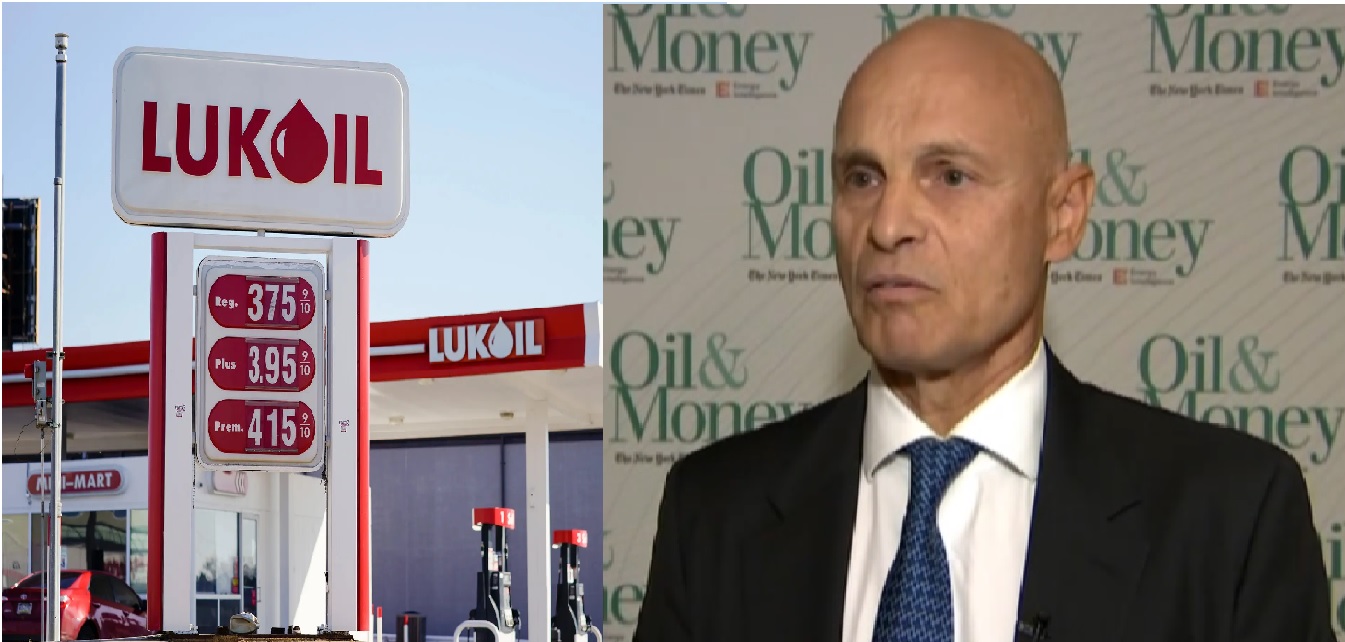
For Europe, the collapse of the deal raises immediate concerns over supply and jobs. Gunvor warned that a failure to win U.S. approval could trigger disruptions in fuel deliveries and refinery operations, particularly in Eastern Europe.
Analysis & Implications for Nordic Business
Here’s what matters for Nordic investors, energy markets and strategic risk-assessment in our region.
1. Sanctions as deal-breaker
The clear message from Washington is that even if a deal is commercially viable, without a U.S. licence it cannot proceed. The Treasury’s public language puts it squarely: no licence while the war continues. This means that any Nordic company (or trader) looking to purchase Russian assets must factor U.S. sanction risk as first-order, not tertiary.
2. Reputation and ownership history matter
Even though Gunvor emphasises its separation from Russia, its legacy links via Timchenko are being used politically. For Nordic corporates, transparency in ownership, past links and regulatory history become more than mere disclosure items – they’re risk levers.
3. Financing and size constraints
The acquisition Gunvor floated was enormous – reportedly around US $22 billion by some counts. Even for a major trader, arranging debt at this scale under sanctions-shadow is extremely difficult. It suggests that mid-sized players should be cautious before entering large-scale deals in geopolitically sensitive regions.
4. Supply chain and regional ripple-effects
The assets in the deal included European refineries and fuel-station networks. For the Nordics (and Europe more broadly), this underlines that energy-security risk isn’t confined to upstream crude production: downstream operations (refining, distribution) are equally exposed to sanction-driven disruptions. Gunvor’s warning of fuel-supply risk bears watching.
5. Strategic repositioning opportunity (if careful)
While Gunvor pulled back, the fact that Lukoil was willing to divest its foreign assets under sanction pressure signals an opening. For Nordic firms with robust sanction-compliance frameworks, there may be opportunities – though they will require extremely careful structuring, full regulatory clearance and alignment with Western sanction regimes.
6. Timing and war-risks
The U.S. statement linked licence-approval to the conduct of the war in Ukraine. That means regulatory approval isn’t just a technical matter – it has a political dimension. For Nordic companies, strategic deals with Russian heritage may face not just commercial risk but also geopolitical timing risk.
In conclusion
Gunvor’s withdrawal from the Lukoil deal is more than a spat between a trader and the U.S. Treasury. It underlines that in today’s energy market, commercial ambition must align with geopolitics and regulatory architecture. For the Nordic business community, the lessons are clear: ownership history, sanction compliance, financing scale and timing matter – and missing any one of those can derail even the most seemingly logical deal.