
In Sweden, an increasing number of citizens are choosing to donate their bodies to science and education, a decision that benefits medical research, education, and innovation. Unlike organ donations, which depend on the condition of the organs at the time of death, whole-body donations offer an invaluable resource for a wide range of scientific purposes, regardless of the donor’s health.
One prominent institution involved in this practice is Uppsala University, which currently has around 1,500 registered body donors. The process, managed by the university’s Department of Anatomy, is a carefully organized and deeply respected system that plays a crucial role in advancing medical education and research.
Monica Sandberg, who oversees whole-body donations at Uppsala University, explained the logistics and motivations behind this altruistic act during an interview with Radio Sweden. She shared insights into why so many Swedes choose to contribute their bodies to science after death, and how their remains are utilized in educational and research settings.
Why Do People Choose to Donate Their Bodies?
For many, the decision to donate their body to science is rooted in a desire to help future generations. By donating their bodies, individuals provide medical students and researchers with the chance to study human anatomy and pathology in a real-world context. This hands-on learning experience is invaluable for those studying medicine, nursing, and various health-related fields, offering them a deeper understanding of the human body that cannot be replicated with textbooks or models alone.
In Sweden, there is a cultural acceptance of the practice, with a significant portion of the population viewing it as a meaningful way to contribute to the advancement of science. The donation process is highly regulated and involves detailed consent procedures, ensuring that the wishes of the donor are respected. Many donors, or their families, see it as a final act of generosity, knowing that their bodies will play a role in improving medical treatments and education.
How Are Donated Bodies Used?
Once a person has donated their body, the remains are typically used for educational purposes, such as training medical students in anatomy, surgery, and dissection. At Uppsala University, for example, the bodies are used in hands-on teaching environments where students can gain direct experience of human anatomy, something that is critical for their education.
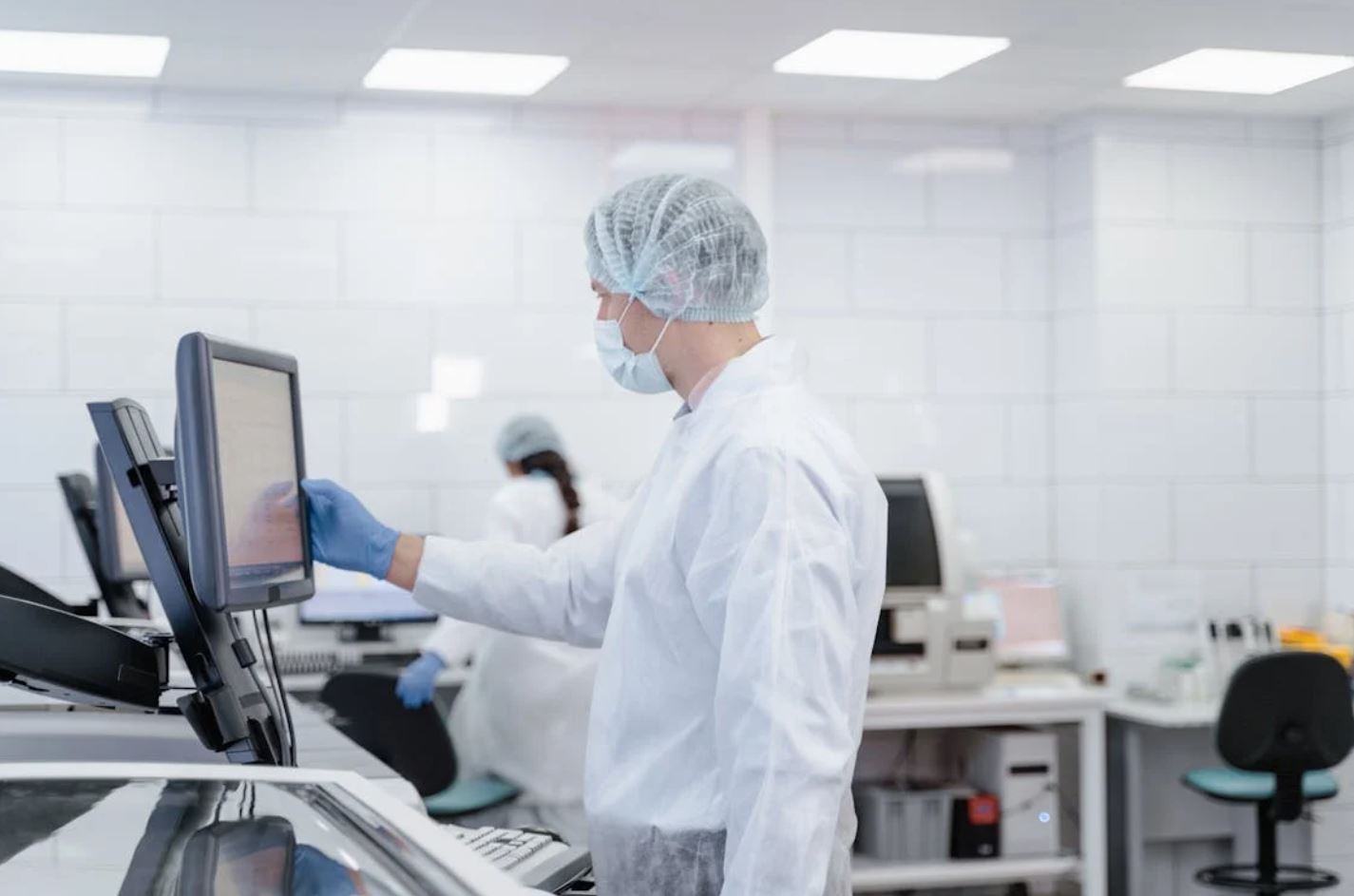
In addition to training healthcare professionals, donated bodies are also used in medical research. This research can range from understanding human diseases and conditions to testing new surgical techniques or medical devices. The importance of this kind of research cannot be overstated, as it allows for the development of more effective treatments and therapies, as well as advancing our overall understanding of human biology.
Once the body is no longer needed for education or research, the remains are respectfully cremated, and the ashes are returned to the family, unless otherwise specified. The process is conducted with the utmost respect and dignity, in line with Swedish values of transparency and ethics in medical practice.
The Ethical Considerations
While the practice of whole-body donation is widely accepted in Sweden, it raises ethical questions that must be handled with care. For example, questions regarding consent, privacy, and the respectful treatment of human remains are central to the process. Swedish institutions have developed robust frameworks to ensure that all donations are voluntary, informed, and in line with the donor’s expressed wishes.
In some cases, people who wish to donate their bodies must meet specific criteria, including a health screening to ensure the body is suitable for educational use. The decision to donate is also typically made in advance, with the donor or their family signing a consent form outlining how the body will be used. This is an essential safeguard, ensuring that donors are fully aware of how their bodies will be handled after death.
The Growing Trend of Body Donations
The number of people choosing to donate their bodies to science and education has been steadily increasing in Sweden. According to estimates, more than 2,000 people across the country have registered as whole-body donors. This growing trend reflects a broader global shift toward greater altruism in healthcare, where people are increasingly willing to contribute to the advancement of medical knowledge, even in death.
Monica Sandberg believes that the growing interest in body donation is tied to greater awareness of its benefits, as well as a broader societal understanding of the importance of medical research and education. “It is an incredibly selfless act,” she says. “When someone chooses to donate their body, they are helping students learn, and they are helping to improve health outcomes for everyone.”
Conclusion: A Legacy of Giving
Whole-body donation in Sweden is an enduring legacy of generosity that benefits not only those who donate but also society at large. By choosing to donate their bodies to science and education, individuals are making a profound contribution to medical research, student training, and the future of healthcare. In a world where scientific advances are crucial for improving lives, these donations serve as a lasting testament to the spirit of giving and selflessness.
As more Swedes choose this route, it is clear that the practice is becoming an integral part of the country’s medical landscape, helping to ensure that future generations of healthcare professionals are well-prepared to meet the challenges of tomorrow.