
COPENHAGEN, November 11, 2025 — In a rare and forceful display of diplomatic unity, Denmark, Norway, Sweden, Finland, and Iceland have jointly condemned the escalating atrocities in Sudan, labelling the actions of the Rapid Support Forces (RSF) as potential war crimes and crimes against humanity under international law. The statement, issued on November 10, 2025, follows confirmed reports of mass killings, systematic sexual violence, and the deliberate weaponization of starvation in the aftermath of the RSF’s capture of El Fasher — Sudan’s last major northern stronghold and a critical humanitarian hub.
The Humanitarian Catastrophe: A Nation on the Brink
Since the outbreak of conflict in April 2023 between the Sudanese Armed Forces (SAF) and the paramilitary RSF — a power struggle rooted in the failed transition to civilian rule following the 2019 ouster of Omar al-Bashir — Sudan has descended into one of the world’s most severe humanitarian crises.
According to the United Nations Office for the Coordination of Humanitarian Affairs (OCHA), over 25 million people — more than half the population — now require life-saving aid. Nearly 9 million have been internally displaced, and over 1.5 million have fled to neighbouring countries. The World Food Programme (WFP) warns that 1.5 million people in North Darfur alone are facing catastrophic levels of hunger (IPC Phase 5), with famine conditions imminent in El Fasher and surrounding areas.
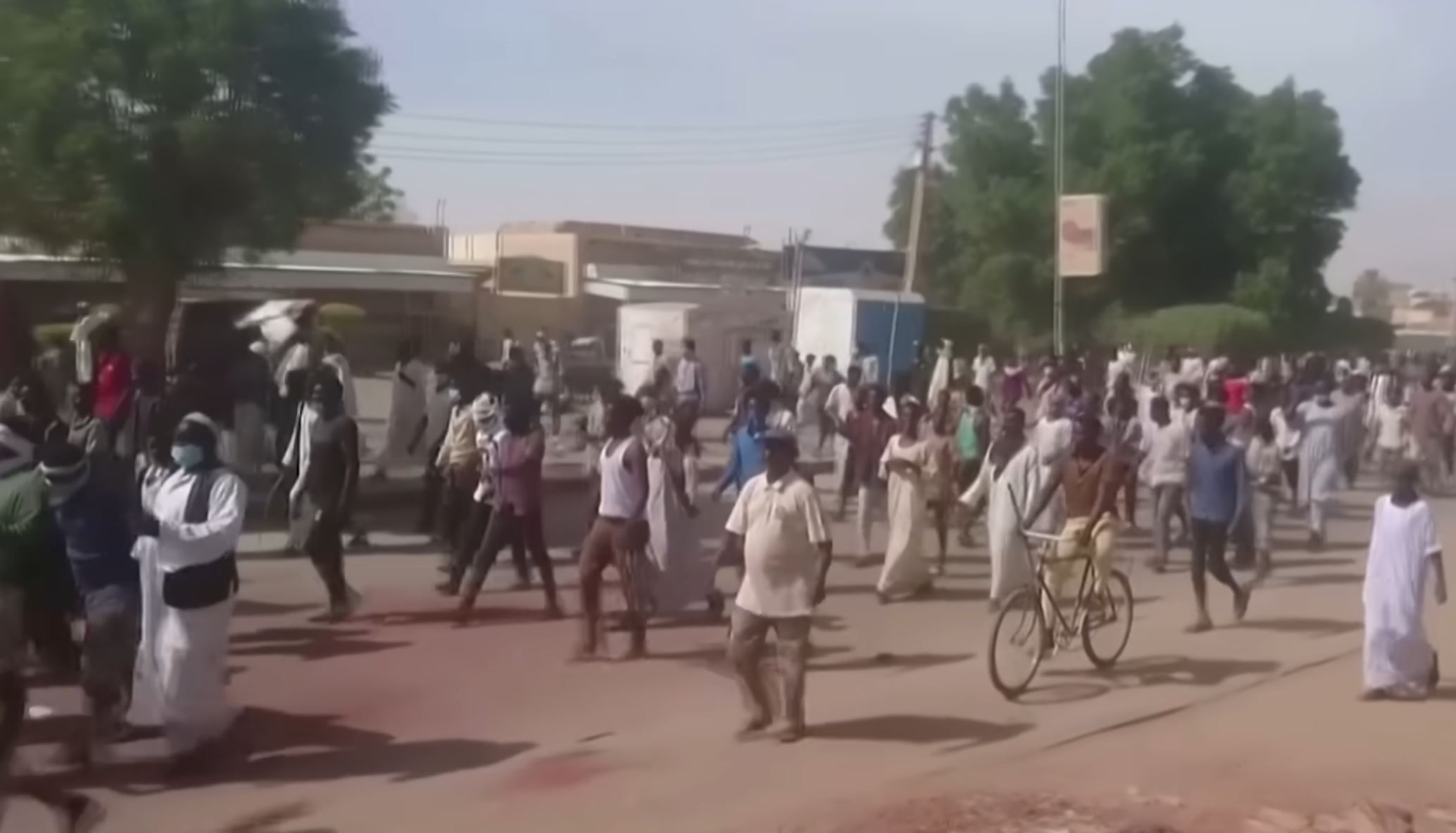
The most harrowing recent development occurred in late October 2025, when eyewitness accounts, satellite imagery, and forensic investigations confirmed the massacre of at least 460 civilians — including patients, medical staff, and family members — at El Fasher’s Al-Salam Hospital. The RSF, which has systematically targeted civilian infrastructure, is widely implicated in the attack. Medical NGOs, including Médecins Sans Frontières, have reported the hospital being looted, burned, and used as a detention site.
Nordic Nations Issue Unified, Authoritative Statement
In a coordinated diplomatic move, the five Nordic countries issued a joint statement that goes beyond mere condemnation, explicitly invoking international legal frameworks and demanding concrete action:
“The signatory nations are appalled by the systematic, widespread, and ongoing atrocities committed by the Rapid Support Forces and, to a lesser extent, elements of the Sudanese Armed Forces. These include mass executions, sexual violence as a weapon of war, indiscriminate attacks on hospitals and humanitarian convoys, and the deliberate obstruction of food and medical aid — all of which constitute war crimes and crimes against humanity under the Rome Statute.”
The statement, signed by foreign ministers from all five Nordic capitals, demands:
- An immediate, unconditional ceasefire — with enforcement mechanisms proposed through the African Union and UN Security Council;
- Unimpeded, sustained humanitarian access to all conflict zones, particularly North Darfur, Kordofan, and the Blue Nile;
- Accountability through international judicial mechanisms, including support for the International Criminal Court (ICC) and the establishment of a UN-led investigative commission;
- A civilian-led political transition, rejecting any legitimacy to military rule and calling for inclusive, Sudanese-owned dialogue;
- Targeted sanctions against individuals and entities financing or perpetrating violence, including those linked to regional actors enabling the conflict.
Country-Specific Commitments and Strategic Actions
Denmark
As a long-standing advocate for human rights and humanitarian law, Denmark has increased its humanitarian funding to DKK 600 million (€80 million) in 2025, making it one of the largest per-capita donors in Europe. Denmark is also coordinating with the EU and UN to freeze assets of RSF-linked entities and is supporting the deployment of civilian protection monitors in refugee corridors.
Norway
Norway has publicly named specific RSF commanders under investigation for sexual violence and mass killings, urging the ICC to issue arrest warrants. It has also launched a digital evidence collection initiative with Norwegian NGOs to document atrocities for future prosecution. “We will not allow impunity to become the norm,” said Norwegian Foreign Minister Espen Barth Eide. “The world must act before another 100,000 die in silence.”
Sweden
Sweden has doubled its development aid to Sudan, focusing on health, education, and women’s protection. It is actively supporting the African Union’s mediation efforts and has pledged to host a high-level Nordic-African summit in early 2026 to coordinate regional pressure on Khartoum and its international backers.
Finland and Iceland
While smaller in population, both nations have leveraged their reputations as neutral, principled actors to amplify diplomatic pressure. Finland is providing cybersecurity support to Sudanese civil society groups documenting abuses, while Iceland has called for an emergency session of the UN Human Rights Council.
Geopolitical Context: Why the Conflict Matters Beyond Sudan
The Sudan conflict is not merely a regional tragedy — it is a global security and economic issue.
- Regional destabilisation: The war has spilled into Chad, South Sudan, Egypt, and Libya, fuelling arms trafficking and refugee flows.
- Global food security: Sudan is a former breadbasket of the Sahel. Its collapse threatens grain supplies to 15 million people across East Africa.
- Strategic interests: Russia’s Wagner Group and UAE-backed militias are reportedly supplying the RSF, while Turkey and Egypt back the SAF. This proxy dimension risks turning Sudan into a new Cold War flashpoint.
- Business implications: Nordic companies with interests in agriculture, logistics, and mining in the Horn of Africa face escalating operational and reputational risks. Supply chains for sesame, gum Arabic, and gold are severely disrupted.
Recommendations for Nordic Businesses and Policymakers
- Due Diligence Mandates: Nordic corporations operating in or near Sudan must implement enhanced human rights due diligence under the EU Corporate Sustainability Reporting Directive (CSRD) and OECD Guidelines. Suspension of operations in conflict zones is not optional — it is a legal and ethical imperative.
- ESG Risk Reassessment: Investors should treat Sudan as a Tier-1 ESG risk. Nordic pension funds and development finance institutions must divest from any entities linked to parties committing atrocities.
- Advocacy and Lobbying: Nordic businesses with regional influence — particularly in agribusiness, logistics, and energy — should use their voice to pressure governments and multilateral institutions for decisive intervention.
- Support for Civil Society: Funding for Sudanese human rights defenders, journalists, and women’s networks remains critical. Nordic foundations should prioritize long-term, flexible grants to grassroots organizations.
Conclusion: A Moral Imperative and a Strategic Opportunity
The Nordic response to Sudan is not merely humanitarian — it is a reaffirmation of the region’s foundational values: rule of law, human dignity, and multilateralism. In a world increasingly defined by geopolitical fragmentation and impunity, the Nordic bloc’s unified, law-based, and action-oriented stance offers a rare model of principled leadership.
The time for statements is over. The time for enforcement — through sanctions, judicial support, humanitarian corridors, and diplomatic isolation of perpetrators — is now.
The world is watching. And so are the people of Sudan.
For further analysis: Nordic Business Journal will publish a special report next week on the economic consequences of the Sudan crisis for Nordic supply chains, with exclusive interviews from CEOs of major Danish and Swedish firms operating in East Africa.
— This article was updated on November 11, 2025, to reflect the latest UN OCHA figures, confirmed hospital massacre details, and the formal release of the joint Nordic statement.