
The U.S.-China trade war, driven by President Donald Trump’s tariffs, has already delivered a significant blow to Danish pump giant Grundfos. The company, based in Bjerringbro, Denmark, reports a staggering loss of 660 million DKK in the initial months of the tariff dispute. Yet, in the face of this uncertainty, Grundfos CEO Poul Due Jensen remains resolute in his strategy to expand the company’s footprint in the U.S. market.
This loss highlights the disruptive impact of global trade tensions, but it also underscores the company’s unwavering confidence in its long-term U.S. strategy. Despite the tariffs, Grundfos plans to push ahead with its expansion efforts, bolstering its manufacturing presence in the U.S. to safeguard its growth prospects.
Crisis Management at Grundfos
As the tariff war escalated in early 2018, Poul Due Jensen convened a crisis task force in Bjerringbro, involving a team of senior executives from across the globe. The group’s mandate was clear: analyse the financial impact of the tariffs and assess how best to navigate the new trading environment.
“The most constant thing from the White House is probably inconsistency,” one task force member remarked during a meeting attended by DR’s Topdirektorerne program. Due Jensen, who leads Grundfos’s 20,000-strong workforce worldwide, noted that at the time, he had no comprehensive understanding of what the tariffs meant for the company’s finances, strategy, or operations in the U.S.
The Tariff Impact: 660 Million DKK Loss
In the months that followed Trump’s announcement of tariffs on a wide array of foreign goods, Grundfos felt the financial strain. For a company that earned 3.4 billion DKK in profit the previous year, a 660 million DKK loss was not trivial. Furthermore, the trade war exposed the vulnerabilities of the company’s global supply chain.
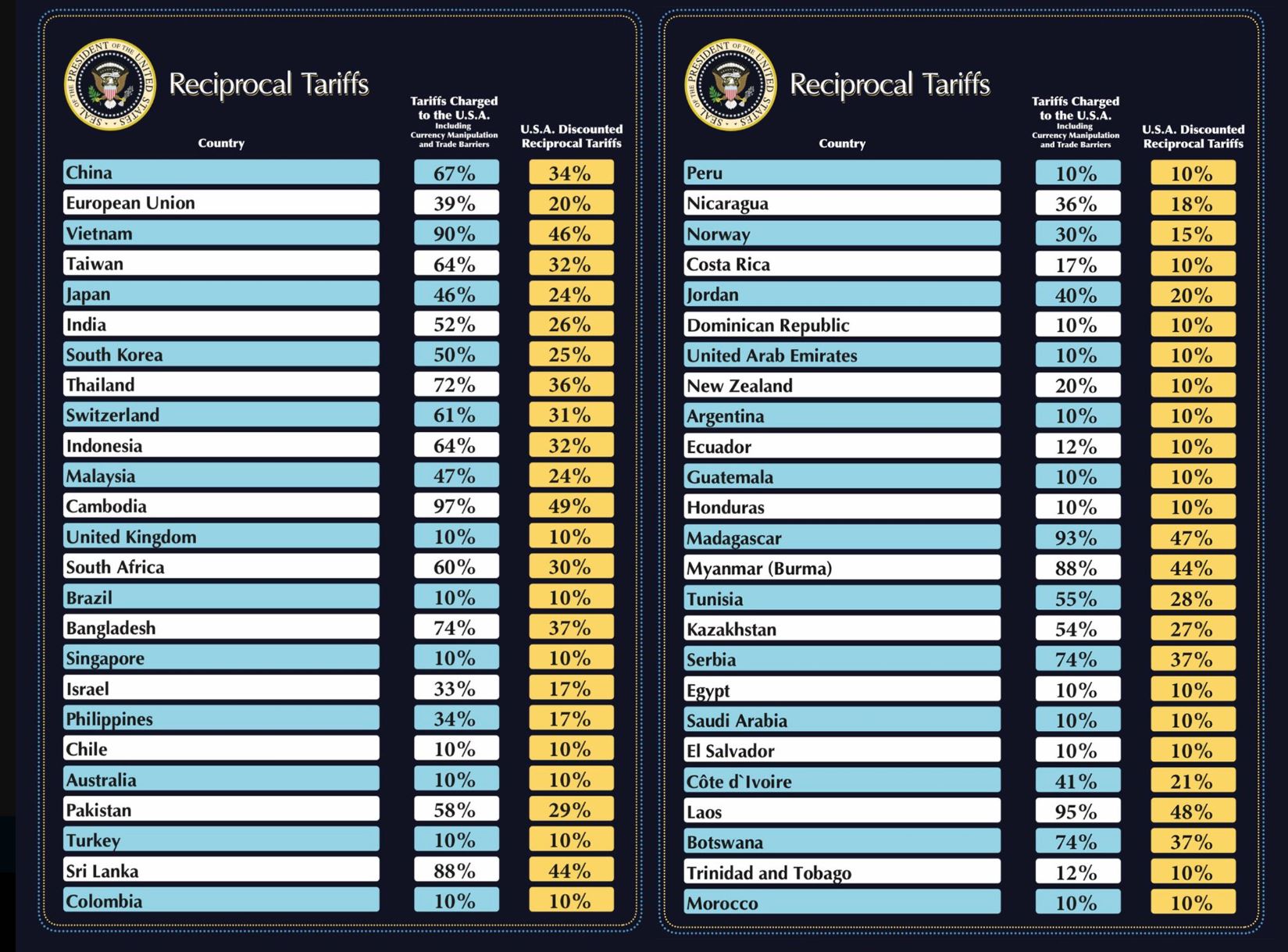
The U.S. is Grundfos’s largest market, and despite its own U.S.-based manufacturing facilities, the company still imports products to the U.S. from other regions. As a result, these products are subject to punitive tariffs, eating into profits. At a special task force meeting, executives estimated that the tariffs could cost Grundfos as much as 102 million USD in a worst-case scenario.
“We have to be at the forefront of our decision-making because 100 million dollars is a significant amount, even for a company like Grundfos,” said Due Jensen. However, he emphasized that Grundfos’s commitment to the U.S. market remained undeterred.
Staying the Course: A U.S. Strategy Built on Growth
For Grundfos, the U.S. remains a core strategic market. Poul Due Jensen is clear: the company aims for double-digit growth in the U.S. in the coming years. “The U.S. is the world’s largest pump market, and it has become our largest market as well. It’s an essential part of our strategy,” he states.
To solidify its position in the U.S., Grundfos is moving ahead with a major factory expansion. Despite the ongoing trade conflict and the financial toll of the tariffs, Due Jensen believes it’s the right decision. “We are doing this because it’s good business for Grundfos, and it helps us drive improvements in water and energy efficiency,” he explains.
Larger Companies Have Greater Flexibility
Grundfos is not alone in doubling down on its U.S. investments. According to a survey by the Confederation of Danish Industry, 13 out of 43 large Danish companies (those with over 100 employees) plan to increase their engagement in the U.S. Despite the risks, many firms see the U.S. as a vital growth market.
For larger companies like Grundfos, adapting to the shifting landscape is more feasible than for smaller firms. Thomas Bustrup, Deputy CEO of the Confederation of Danish Industry, notes that large companies are better equipped to handle the complexities of the trade war. “If you already have a strong presence in the U.S. and production facilities there, it’s easier to adjust by increasing U.S.-based manufacturing to avoid tariffs,” he explains.
Economics professor Philipp Schröder from Aarhus University adds that large companies with deep pockets are more capable of navigating the uncertainty. “Big companies can absorb the additional costs, move production, and dedicate entire departments to managing new legal barriers, which smaller companies simply can’t do,” Schröder states. He also notes that the U.S.’s growing isolationist stance gives those with the means to engage in the market an even greater advantage. “Fewer international players are entering the U.S. market, so the few who can will likely see greater profits.”
The Long-Term U.S. Commitment
Despite the initial losses, Grundfos has no plans to reverse its expansion strategy in the U.S. Poul Due Jensen’s belief in the U.S. market is unwavering, even if the political climate remains volatile. “We started our U.S. strategy long before Trump came to power, and we are committed to it because we see tremendous business opportunities there,” he asserts.
In addition to expanding production in the U.S., Grundfos, like many companies facing the effects of tariffs, has raised prices for American customers to offset the increased costs. While this decision may be unpopular with consumers, it reflects the broader trend of companies passing on the costs of tariffs to their customers.
Conclusion: Will Trump or Poul Due Jensen Prevail?
As the trade war continues, the question remains: Who will win—Donald Trump’s economic nationalism or Poul Due Jensen’s global strategy? While the outcome of the tariff dispute is uncertain, Due Jensen remains confident in Grundfos’s ability to adapt and thrive in the U.S.
“Of course, I would have preferred not to be in this situation,” he says, smiling. “But if I have to roll up my sleeves and push forward, I will.” And, as far as his long-term U.S. plans are concerned, he adds, “I hope to win the pump market in the U.S., and what Trump wins, he can figure out.”
For Grundfos, the journey continues. Despite the challenges, the company is sticking to its U.S. strategy, betting that its commitment to innovation, efficiency, and sustainability will pay off in the long run.