
A Perfect Storm: Clinical Failure, Partner Withdrawal, and Systemic Industry Shifts
The abrupt collapse of Korro Bio — a once-promising U.S.-based RNA editing biotech — is not merely the story of a single company’s failure. It is a stark, high-profile case study in how the convergence of clinical underperformance, strategic partner withdrawal, and macro-level industry headwinds can rapidly unravel even well-capitalized biotech ventures. The company’s precipitous decline, marked by an 80% single-day stock plunge, leadership exodus, and pipeline abandonment, was triggered by the termination of its cornerstone collaboration with Novo Nordisk — a move that exposed deep structural vulnerabilities in both firms and the broader biopharma ecosystem.
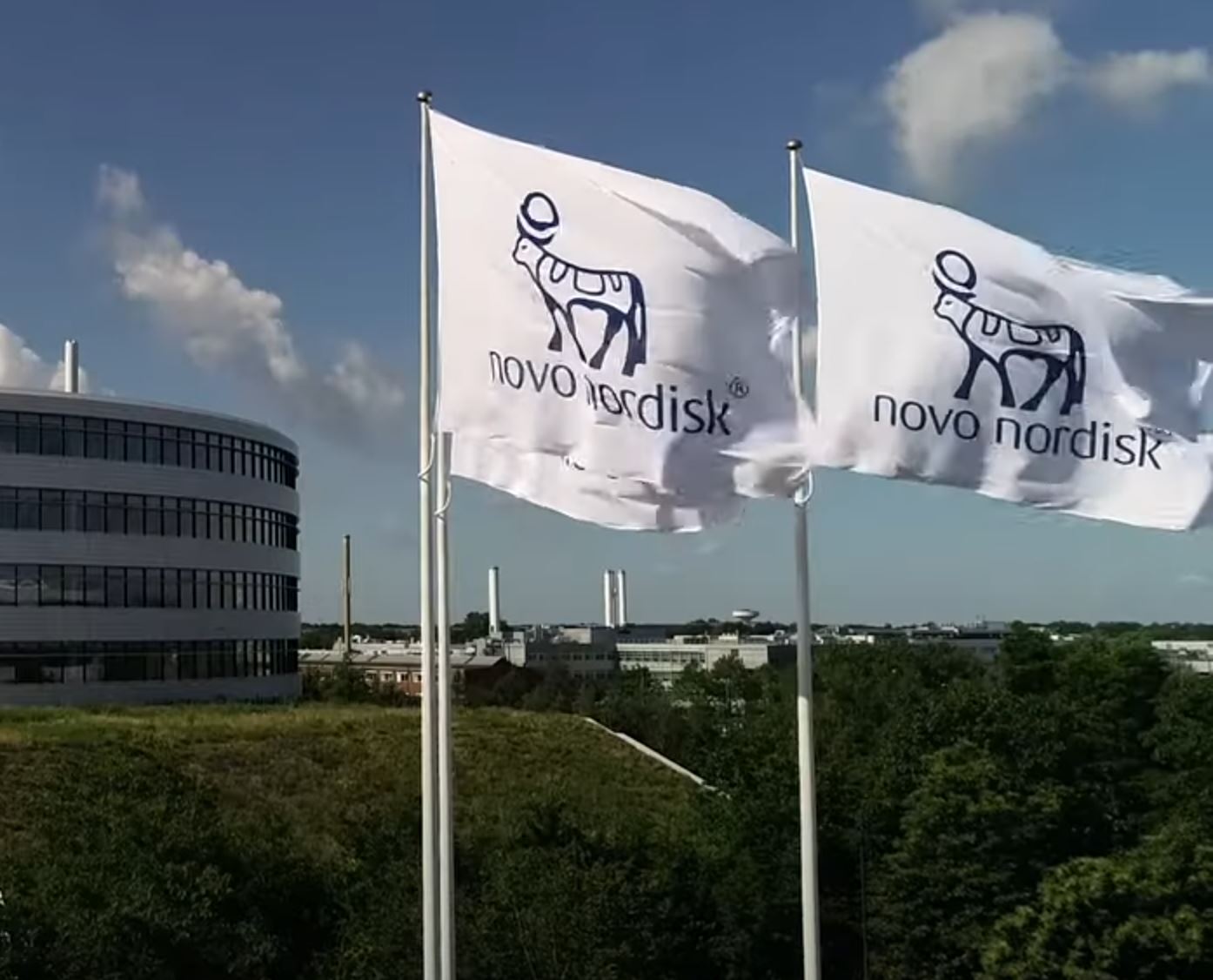
Novo Nordisk’s Strategic Pivot: The Catalyst for Korro’s Downfall
On November 10, 2025, Novo Nordisk announced it was suspending its $530 million strategic collaboration with Korro Bio for a minimum of 12 months — effectively terminating all funding and milestone payments tied to their joint RNA editing platform targeting cardiometabolic diseases.
This decision was not arbitrary. It followed a rigorous internal review of scientific progress, commercial viability, and portfolio prioritization. While Novo Nordisk did not disclose specific technical failures, industry sources confirm that the RNA editing program — which aimed to correct disease-causing mutations at the mRNA level — failed to demonstrate sufficient in vivo editing efficiency, durability, or safety margins in preclinical models to justify continued investment.
For Korro Bio, the suspension was catastrophic. The partnership represented over 90% of its non-dilutive funding runway. With no immediate prospect of alternative financing, the company’s cash reserves — already stretched thin — were projected to last only through Q2 2026 under current burn rates. The market reacted instantly: Korro’s stock plunged 79% in pre-market trading, erasing over $400 million in market capitalization.
This is not merely a funding pause — it is a de facto termination of a strategic alliance, and a signal that Novo Nordisk is aggressively pruning its external R&D pipeline to focus on core, high-probability assets.
KRRO-110’s Clinical Failure: The Final Blow
Compounding the Novo Nordisk setback, Korro Bio disclosed on November 12, 2025, that its lead asset, KRRO-110 — an RNA-editing therapy for Alpha-1 Antitrypsin Deficiency (AATD) — had failed to meet its primary endpoint in a Phase 1b/2a trial. The drug showed no statistically significant reduction in serum abnormal AAT protein levels, nor meaningful improvement in liver biomarkers, compared to placebo.
The results were particularly damning because AATD was positioned as Korro’s most “de-risked” indication — a monogenic disease with clear biomarkers and a well-defined therapeutic mechanism. The failure suggested fundamental flaws in the delivery or editing efficiency of KRRO-110, raising serious questions about the platform’s broader applicability.
In response, Korro immediately:
– Abandoned KRRO-110 and terminated all further development;
– Laid off 32% of its workforce (approximately 45 employees), reducing headcount to under 100;
– Announced the resignation of its Chief Medical Officer, Dr. Elena Rodriguez, who had led the AATD program since 2022;
– Shifted strategic focus to a new GalNAc-conjugated oligonucleotide platform — a more established, lower-risk modality — with the first candidate expected to enter IND-enabling studies in Q4 2026 and clinical trials no earlier than late 2027.
This pivot, while pragmatic, underscores a painful reality: Korro Bio is no longer a platform company. It is now a shell of its former self — holding only preclinical assets, with no near-term revenue potential and no credible path to profitability without a major capital infusion or acquisition.
Novo Nordisk’s Broader Crisis: A Domino Effect Across the Biopharma Ecosystem
Korro’s collapse cannot be viewed in isolation. It is a symptom of a deeper, systemic recalibration underway at Novo Nordisk — one that is reverberating across its global partner network.
Novo Nordisk, once the undisputed leader in GLP-1-based obesity and diabetes therapies, is facing its most challenging period in decades:
– Earnings Misses: Q3 2025 revenue growth slowed to 14% YoY — its lowest in over a decade — as competition from Eli Lilly’s Zepbound (tirzepatide) and emerging oral GLP-1 candidates erodes market share.
– Pipeline Overextension: The company has invested heavily in next-generation multi-agonists, oral formulations, and non-GLP-1 modalities (including RNA editing, gene therapy, and AI-driven target discovery), many of which have yet to yield clinical proof-of-concept.
– Massive Restructuring: In October 2025, Novo Nordisk announced a global cost-cutting initiative targeting 9,000 jobs (15% of its workforce) by end-2026, including the closure of two R&D sites in Denmark and the U.S. This is not just efficiency-driven — it reflects a strategic retreat from high-risk, long-term external innovation.
– Leadership Shake-up: CEO Lars Fruergaard Jørgensen stepped down in September 2025, succeeded by former CFO Mads Krogsgaard Thomsen — signalling a shift from growth-at-all-costs to disciplined capital allocation.
These moves have directly impacted partners like Korro Bio, but also smaller firms such as Sana Biotechnology and Verve Therapeutics, which have reported delayed feedback and reduced engagement from Novo’s innovation team.
The message is clear: Novo Nordisk is no longer a reliable partner for early-stage, high-risk biotech innovation. It is now a fortress, conserving cash and focusing exclusively on assets with near-term commercialization potential.
Market Implications: What This Means for Nordic and Global Biotech
For Korro Bio:
– Survival Mode: With $112 million in cash as of Q3 2025, and burn rate reduced to ~$8M/month, Korro has approximately 14 months of runway — enough to complete its GalNAc platform transition but not to advance it into clinical trials without new funding.
– Acquisition or Dissolution? Analysts at SVB Securities and BioCentury now assess Korro’s likelihood of a buyout at “low” — its IP is not proprietary enough to attract strategic buyers, and its pipeline lacks de-risked assets. A Chapter 11 filing or asset sale to a larger RNA-focused player (e.g., Alnylam, Wave Life Sciences) remains the most plausible outcome by 2027.
For Novo Nordisk:
– Short-Term Gains, Long-Term Risks: While pruning partnerships improves near-term margins, it risks alienating the innovation ecosystem that once fueled its growth. The loss of trust among academic spinouts and venture-backed biotechs could stifle future deal flow.
– Investor Sentiment: Despite the cuts, Novo’s stock has held relatively steady (down only 5% since the announcement), suggesting markets view the retrenchment as rational. But the broader implication is chilling: even the most dominant pharma giants are now prioritizing predictability over pioneering science.
For the Broader Biotech Sector:
– Capital Flight from Platform Tech: The failure of RNA editing — once hailed as the “next CRISPR” — to deliver in clinical translation is triggering a sector-wide reassessment. Investors are now demanding clearer path-to-market timelines and de-risked validation before funding platform companies.
– Nordic Biotech Under Scrutiny: Denmark’s reputation as a hub for innovation is being tested. While Novo Nordisk remains a powerhouse, its retreat signals that even the most successful companies are now prioritizing internal R&D over external partnerships — a trend that could dampen startup formation and venture investment in the Nordic region.
– The End of the “Partnering Fantasy”: Many biotechs operated under the assumption that a partnership with a giant like Novo Nordisk was a de facto validation and funding guarantee. Korro’s collapse proves otherwise. No partnership is immune to strategic realignment.
Conclusion: A Watershed Moment for Biotech Partnerships
Korro Bio’s collapse is not an isolated incident — it is a bellwether.
It reveals a new reality: in an era of rising interest rates, investor impatience, and intensifying competition, even the most prestigious pharma partners are no longer reliable lifelines. Biotech companies can no longer bank on external validation to sustain their operations. Clinical success, not corporate alliances, is the only true currency.
For investors, founders, and policymakers in the Nordic and global life sciences ecosystems, the lesson is unambiguous:
Build for self-reliance. Validate early. De-risk relentlessly. And never assume a partnership is a safety net — because when giants retreat, the small fall first.
Korro Bio may be the first high-profile casualty of this new era — but it will not be the last.
This analysis is based on public disclosures, regulatory filings, and interviews with industry insiders as of November 17, 2025. Korro Bio’s latest corporate update was filed with the SEC on November 14, 2025. Novo Nordisk’s Q3 earnings call and restructuring roadmap are available at www.novonordisk.com/investor-relations.