
Recent and ongoing GPS jamming in the Baltic Sea region has prompted a significant shift in navigation practices, with both maritime and aviation sectors increasingly turning to traditional, non-satellite-based methods to ensure safety. These disruptions, widely attributed to Russian electronic warfare operations, have highlighted the vulnerabilities of satellite-based systems and revived the use of older technologies.
Scale and Impact of GPS Jamming
Since early 2025, the Baltic Sea and surrounding airspaces have experienced an alarming surge in GPS interference. Hundreds of thousands of disruption incidents have been reported, affecting commercial and passenger flights, shipping vessels, and smaller boats alike. This widespread jamming has raised serious concerns over the reliability of GPS systems for navigation.
Authorities have issued repeated warnings to pilots and seafarers, urging them not to rely solely on satellite-based navigation. GPS jamming and spoofing—where false location data is broadcasted—have become frequent occurrences, causing severe discrepancies in position readings. In some instances, ships have been shown on digital maps as being located on land, far from their actual positions, a result of manipulated GPS signals.
The jamming is believed to be linked to Russian military activities, particularly emanating from both the Russian mainland and the Kaliningrad enclave. This surge in interference coincides with NATO’s growing presence in the region, especially following Sweden and Finland’s recent accession to the alliance. This context suggests that the disruptions may be part of Russia’s broader hybrid warfare strategy to generate uncertainty and destabilize the region, both in terms of security and commerce.
A Return to Traditional Navigation
With GPS signals increasingly unreliable in the Baltic Sea, maritime operators—ranging from commercial shipping companies to local fishermen—are turning back to traditional navigation methods. Techniques such as compass use, sextants, and binoculars, alongside paper charts, are being reintroduced as reliable tools for ensuring safe passage.
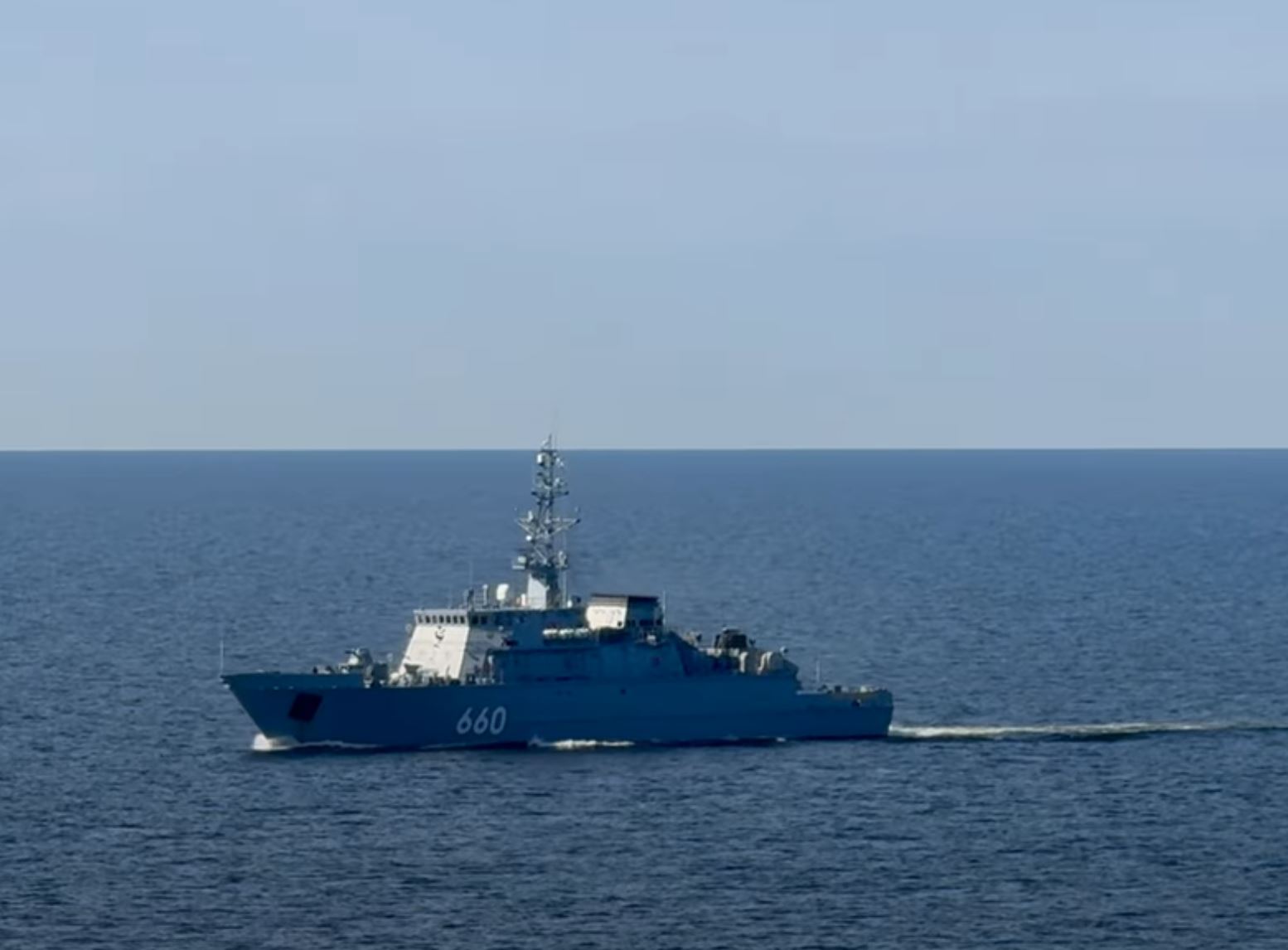
Swedish and other Baltic authorities are emphasizing the importance of traditional navigation skills, urging recreational boaters to become proficient in these methods. Digital chart plotters, which rely on GPS, are no longer dependable in areas affected by jamming, making it essential for mariners to be equipped with the knowledge and tools of pre-digital navigation.
Similarly, aviation has seen a resurgence of non-GPS-based landing and navigation techniques. Pilots are being retrained to rely more heavily on ground-based radio navigation aids and manual navigation methods, ensuring that they can continue to operate safely in the event of GPS disruptions.
Technological and Geopolitical Considerations
The GPS jamming problem extends beyond the U.S.-operated Global Positioning System. Other global satellite systems—such as Russia’s GLONASS, China’s BeiDou, and the European Union’s Galileo—are also being affected. While GLONASS has demonstrated some resistance to jamming, it remains vulnerable to disruption.
In response, there have been several pilot projects and studies exploring alternative, land-based navigation solutions. Systems like R-mode, which rely on terrestrial infrastructure, have shown promise in mitigating the risks posed by satellite navigation interference. However, these alternatives have yet to see widespread adoption, particularly among smaller vessels and aircraft, due to cost and infrastructure limitations.
This disruption of global navigation systems fits into the larger framework of hybrid warfare tactics, which aim to destabilize regions without direct military confrontation. The Baltic Sea is a particularly sensitive area for both maritime commerce and military operations, with significant geopolitical and economic interests at stake. The ongoing jamming campaigns are part of an effort to sow uncertainty and undermine confidence in the region’s security.
Conclusion
The increasing frequency and scale of GPS jamming in the Baltic Sea have forced maritime and aviation operators to revisit traditional navigation methods that predate satellite-based systems. This shift underscores the vulnerability of global positioning systems to electronic warfare and highlights the need for robust, multi-layered navigation strategies that do not rely solely on GPS. As the region continues to experience disruptions, the importance of understanding and applying traditional navigation techniques has never been more critical for ensuring the safety of vessels and aircraft navigating these strategically important waters.