
Recent surveys and studies have revealed troubling trends in the reliability of several car brands across Sweden and Europe in 2025. While some manufacturers have long enjoyed solid reputations, others are increasingly being viewed as the “least reliable” by Swedish car owners and the broader European market. These conclusions are drawn from a combination of owner satisfaction indices, breakdown data from Google searches, and major reliability surveys, including those from J.D. Power and Consumer Reports.
Least Reliable Car Brands in Sweden (2025)
- Volkswagen (VW)
Volkswagen has dropped to the bottom in the latest J.D. Power vehicle dependability rankings in both Europe and Sweden. The brand’s models are frequently cited for recurring mechanical and electrical issues, with an especially high number of problems reported per 100 vehicles. VW’s ID.4 electric model, in particular, has garnered widespread criticism for its mechanical faults and underperformance in reliability surveys. As one of Europe’s largest automakers, this deterioration in reliability is concerning for Swedish consumers. - Volvo
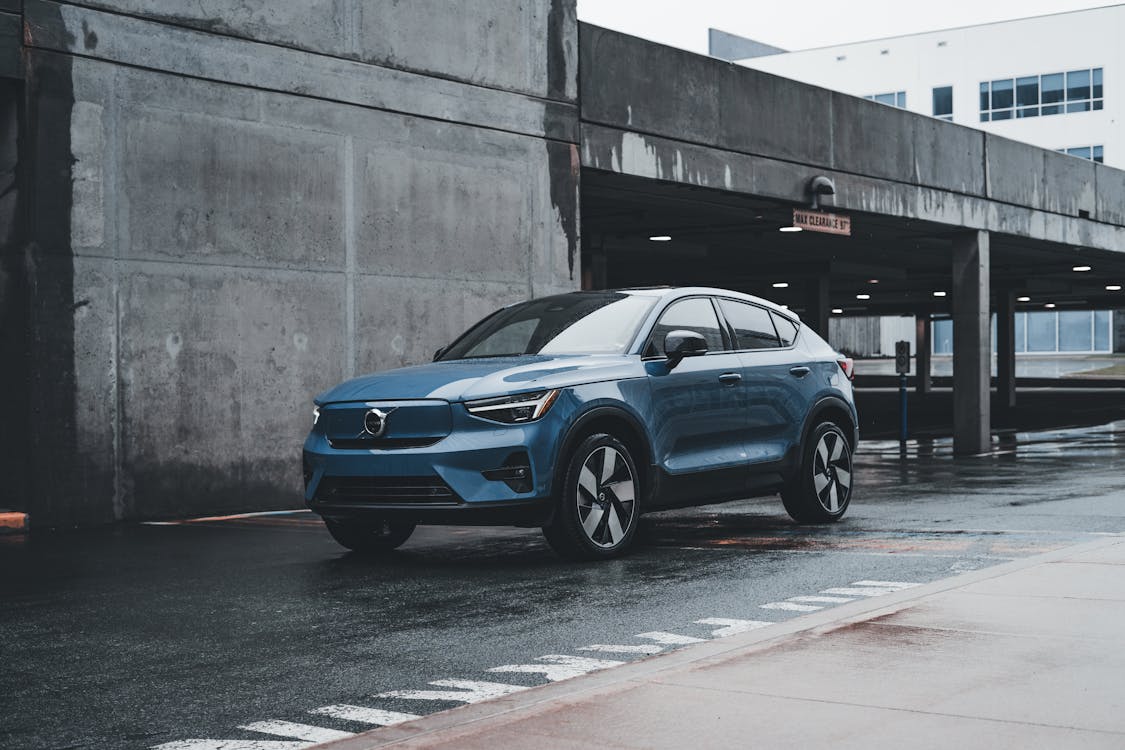
Despite its long-standing reputation for safety and practicality, Volvo has seen a significant dip in reliability ratings, especially for newer models like the XC40 and XC60 plug-in hybrids. Swedish car owners, in particular, have reported an alarming frequency of breakdowns and issues with hybrid systems, as well as concerns over electrical faults. Though Volvo is still considered a trusted brand for safety, its recent models are struggling with reliability, which has caused growing concern among Swedish drivers. The disconnect between its traditionally strong safety perception and emerging reliability issues has made Volvo a key subject of debate in the Swedish car market. - Jeep
Jeep’s reputation for reliability continues to falter, with owner surveys consistently ranking the brand among the least dependable. Models like the Renegade have been highlighted for their poor build quality and frequent mechanical failures, leading to high repair costs and dissatisfaction among owners. Jeep’s struggles in reliability are evident in multiple European surveys, contributing to its poor standing in Sweden as well. - Vauxhall/Opel & Peugeot
Both Vauxhall (Opel) and Peugeot consistently appear at the bottom of major European consumer satisfaction surveys. Their models, such as the Vauxhall Corsa and Peugeot 2008, have low reliability ratings, particularly in Sweden. These vehicles suffer from build quality issues and frequent breakdowns, with owners reporting a higher-than-average incidence of problems, leading to widespread dissatisfaction. - Land Rover
Land Rover’s reputation for luxury is undermined by its poor reliability ratings. The Discovery Sport, in particular, has been singled out for mechanical and electronic failures. These issues are significant enough to keep the brand firmly at the bottom in both Swedish and international reliability rankings. Despite the prestige associated with the brand, its persistent reliability problems are impacting its standing in Sweden. - Tesla & Rivian
As newer entrants in the electric vehicle (EV) market, both Tesla and Rivian have faced criticism for build quality and mechanical concerns. Tesla, in particular, has struggled with fit and finish issues and reported problems with its battery systems and electrical components. Similarly, Rivian has garnered poor reliability ratings due to initial production challenges. While both brands have revolutionized the EV space, their relatively low rankings in reliability surveys highlight significant concerns that could affect consumer confidence in the long term.
Swedish Market Insights: A National Perspective on Car Reliability
In Sweden, brand reputation is heavily influenced by real-world ownership experiences, which are increasingly shaped by the rising complexity of modern vehicles. One of the most pressing concerns for Swedish car owners is the prevalence of electronic and software-related faults. These issues are particularly acute in hybrid and electric models, where advanced technology is more prone to failure. Swedish consumers also tend to scrutinize reliability more rigorously due to the harsh winter conditions, which can exacerbate issues in vehicles, particularly those relying on complex electrical systems.
Volvo, despite its prominence in Sweden, has seen a shift in perception, with increasing dissatisfaction among Swedish car owners. Historically, Volvo was seen as a symbol of Swedish engineering excellence and safety. However, reliability concerns, especially around newer hybrid models, are damaging its reputation. This shift is significant because Volvo was once synonymous with dependability and practicality for Swedish drivers.
Summary of Key Issues and Rankings (2025)
| Brand | Main Issues Reported | Recent Rankings (2025) |
| Volkswagen | Mechanical, electrical, infotainment faults | Bottom 3 in reliability |
| Volvo | Hybrid system faults, breakdowns, electronics | Top 5 “most googled problems,” low owner satisfaction |
| Jeep | Durability, frequent mechanical repairs | Consistently low satisfaction |
| Vauxhall/Opel | Model-specific reliability issues | Poor reliability satisfaction |
| Peugeot | Build quality, SUV-specific issues | Poor reliability satisfaction |
| Land Rover | Mechanical and electrical failures | Low dependability |
| Tesla/Rivian | Build quality, mechanical concerns | Low reliability from consumer reports |
Notable Trends and Global Comparisons
- Global Consistency: The least reliable car brands—Volkswagen, Volvo, Jeep, Land Rover—are consistently ranked poorly across various surveys, from J.D. Power to Consumer Reports. Their poor reliability performance is reflected in Swedish consumer sentiment, confirming that these issues are not localized but part of a wider trend affecting Europe.
- Asian Brands Leading the Pack: As in most global surveys, Japanese and South Korean brands like Lexus, Toyota, Mazda, and Subaru continue to dominate reliability rankings. These brands are consistently rated as the most dependable, both globally and in Sweden. Their cars are widely praised for their durability, and Swedish car owners echo this sentiment in local surveys.
- Local Bias for Volvo: While Volvo’s reliability struggles are reflected in Swedish surveys, the brand still benefits from a slight national bias. Despite the technical shortcomings of its newer models, Volvo is often rated more favourably on intangible factors like “trust” and “perceived quality” due to its strong brand presence in Sweden. However, this local bias does not negate the broader issues with reliability.
- Focus on EVs and Hybrids: Swedish surveys are more likely to emphasize issues with electric and plug-in hybrid vehicles, especially given their growing popularity in the region. In particular, Volvo’s hybrid and electric models are frequently cited for reliability concerns, which is not as pronounced in U.S. or other European markets.
Conclusion: A Year of Shifting Perceptions in Car Reliability
The findings from Swedish and international studies in 2025 paint a clear picture: the car brands most criticized for reliability are largely consistent across markets, with Volvo, Volkswagen, Land Rover, and Jeep continuing to face significant challenges. These brands are struggling with electronic faults, mechanical issues, and poor build quality, which are increasingly detracting from their previously solid reputations.
On the other hand, Asian manufacturers, led by Toyota, Lexus, and Mazda, continue to dominate reliability rankings, affirming their reputation for durability and low maintenance costs. For Swedish consumers, the shift in perception—especially regarding Volvo—marks a turning point in their expectations from traditionally trusted brands.
The future of car ownership in Sweden will likely be shaped by consumers demanding more reliable vehicles, particularly those with complex electrical systems, as hybrid and electric cars become more ubiquitous. In 2025, Swedish drivers are showing less tolerance for recurring mechanical issues and are increasingly turning to brands that prioritize both innovation and dependability.