
As the security landscape in Europe continues to evolve, the Swedish Armed Forces have issued a stark warning about the growing military threat posed by Russia. A new report from the Swedish military highlights the need for strategic upgrades to Sweden’s defence capabilities in order to meet NATO’s military objectives, particularly in response to Russia’s increasingly aggressive posture.
Russia’s Growing Military Threat
The Swedish Armed Forces predict a significant escalation in Russia’s military capabilities over the next few years. According to Chief of the Defence Staff, Carl-Johan Edström, the next 2-5 years will likely see a large-scale rearmament of Russian forces. This has prompted the Swedish military to reassess its defence strategies and propose a set of measures to counter this emerging threat.
“We assess that Russia will undertake substantial rearmament of its military forces within the next 2-5 years,” Edström stated in the report, underlining the urgency of bolstering Sweden’s own defences to maintain stability in the region.
Proposal to Acquire Long-Range Weapons
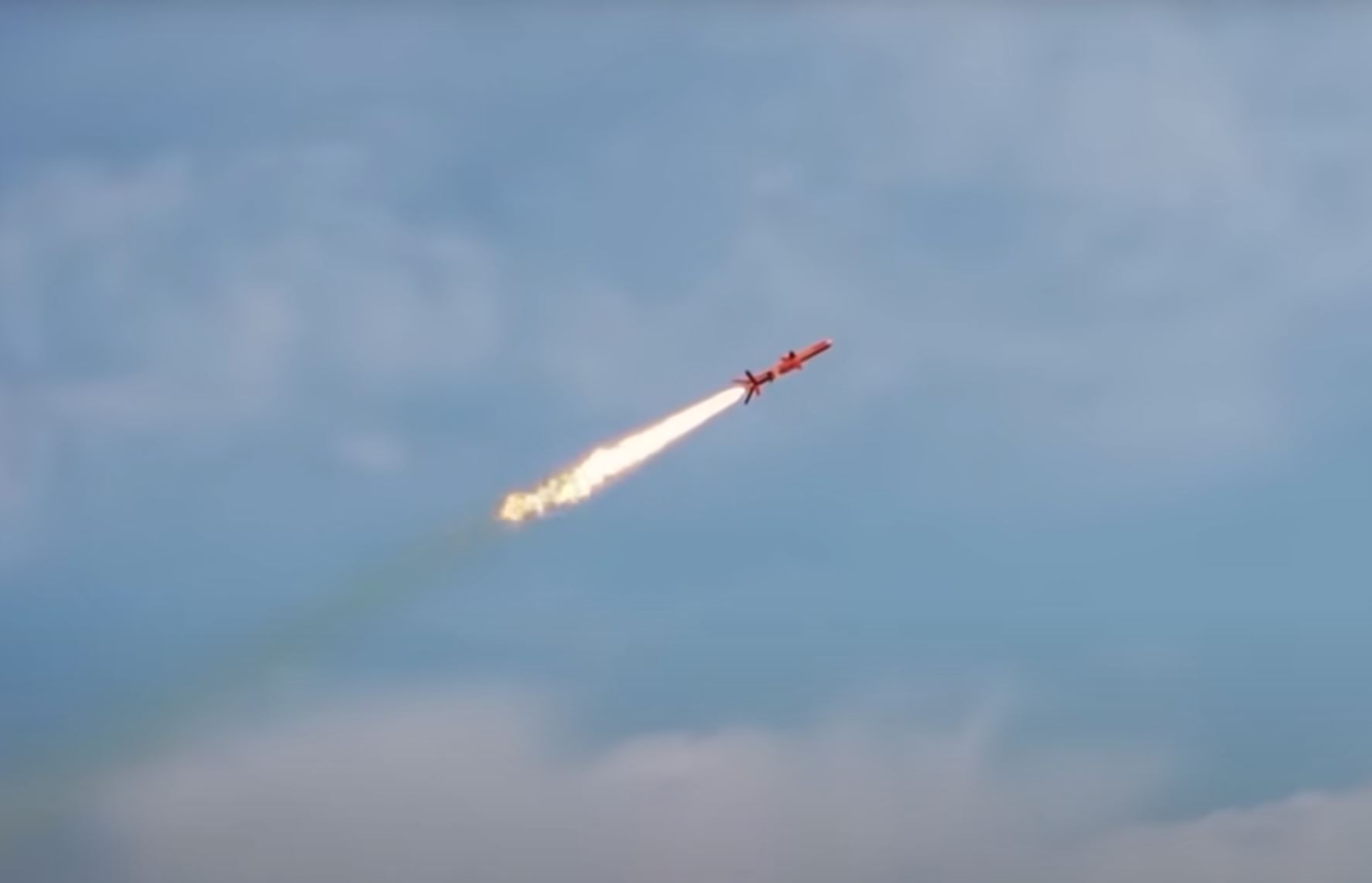
One of the key proposals outlined in the Swedish Armed Forces’ report is the acquisition of long-range weapon systems, including cruise missiles capable of reaching deep into Russian territory. These systems would enhance Sweden’s ability to defend its own borders and contribute to NATO’s collective defence capabilities, especially in the event of a direct conflict with Russia.
The report specifically advocates for the purchase of cruise missiles and long-range ballistic missiles with a reach of up to 2,000 kilometres. Such weapons would provide Sweden with the ability to strike critical Russian targets in the event of an escalated military confrontation, particularly if NATO’s Article 5—the mutual defence clause—were activated.
Carl-Johan Edström explained that these weapons would primarily serve as a deterrent and a strategic asset in the event of war. “These missiles could target critical Russian military infrastructure, including command and control systems, sensors, and other high-value assets, thereby hindering Russia’s ability to project power against NATO allies,” Edström said.
Modernizing Mine Clearance Capabilities
In addition to missile defence, the Swedish Armed Forces have also identified a pressing need to modernize its naval capabilities. Specifically, the military is seeking to replace its aging fleet of mine clearance vessels, which are nearing the end of their operational lifespan. These ships are crucial for protecting Sweden’s strategic maritime lanes and ensuring the safety of merchant fleets, particularly as global tensions rise.
Edström emphasized the importance of replacing these vessels within the next 5-10 years, as their current capabilities will soon be outdated. “The mine clearance vessels are nearing what we call their ‘end-of-life’ phase, and we need to plan for their replacement in order to maintain our naval defence posture,” he said. While the exact number of replacement ships has not yet been determined, the Armed Forces are calling for these upgrades to be prioritized in future defence planning.
Investments in Broader Defence Infrastructure
In addition to enhancing its military hardware, Sweden’s defence strategy includes broader investments in infrastructure to support NATO operations. The report calls for Sweden to become a key NATO base area, requiring substantial investments in energy supply, transportation infrastructure, healthcare, and electronic communications systems. These elements are critical for ensuring Sweden’s ability to support both military and civilian needs during a conflict.
“This is about building a total defence capability that supports both military and civil defence goals,” said Edström. “By investing in critical infrastructure, we ensure that Sweden remains a resilient and integral part of NATO’s collective defence strategy.”
Meeting NATO’s Capability Goals
The Swedish Armed Forces’ report aligns with NATO’s broader defence goals, particularly the enhancement of deterrence capabilities in the face of increasing threats from Russia. These proposals represent a comprehensive approach to meeting NATO’s defence requirements, including the acquisition of advanced missile systems, the modernization of naval forces, and the development of key infrastructure to support joint operations with NATO allies.
In line with Sweden’s commitment to NATO, the report also outlines how Sweden can contribute to the Alliance’s defence efforts while ensuring the country’s own national security. The defence spending plan includes an allocation of 1.5% of GDP for rearmament, which will be directed towards the procurement of these advanced systems and other critical defence investments.
Conclusion: A Strategic Response to a Shifting Security Environment
As the military landscape in Europe continues to shift, the Swedish Armed Forces are making clear their commitment to enhancing Sweden’s defence capabilities and fulfilling NATO’s strategic objectives. The proposed acquisition of long-range missiles, coupled with modernized naval assets and expanded infrastructure investments, reflects Sweden’s proactive approach to addressing the growing threat from Russia.
The Swedish military’s focus on enhancing its deterrence capabilities through technological advancements and strategic infrastructure investments underscores the urgency of preparing for a more volatile security environment in the coming years. As Carl-Johan Edström pointed out, the rearmament of Russian forces presents a significant challenge that requires Sweden to take decisive action now to ensure its security—and its ability to contribute to the broader NATO defence effort.