
The European car market continues its positive trajectory, with new car registrations rising by 5.8% in October year-on-year, according to the latest data from the European Automobile Manufacturers Association (ACEA). This marks the fourth consecutive month of growth, signalling a broader recovery in the automotive sector. However, amidst this overall market expansion, Tesla’s performance took a notable downturn, with sales plunging by 48% compared to the same month last year, a sharp contrast to the upward trend in EU car registrations.
EU Market Growth Amidst Shifting Preferences
In total, 916,609 new cars were registered in the European Union during October, with electric and hybrid vehicles continuing to gain market share. This reflects a significant shift in consumer preferences as environmental concerns and government incentives push buyers towards cleaner alternatives. Notably, sales of gasoline and diesel vehicles continued to decline, a trend that has been accelerating over recent years as part of the EU’s broader push to meet emissions reduction targets.
Hybrid vehicles, which combine traditional combustion engines with electric propulsion, have now accounted for 34.6% of all new car registrations. Meanwhile, fully electric vehicles (EVs) made up 16.4% of the market. This increase in market share for alternative fuel vehicles reflects broader trends in the global automotive industry, where a transition to electric and hybrid powertrains is not only encouraged by regulation but is also becoming a key factor in consumer decision-making.
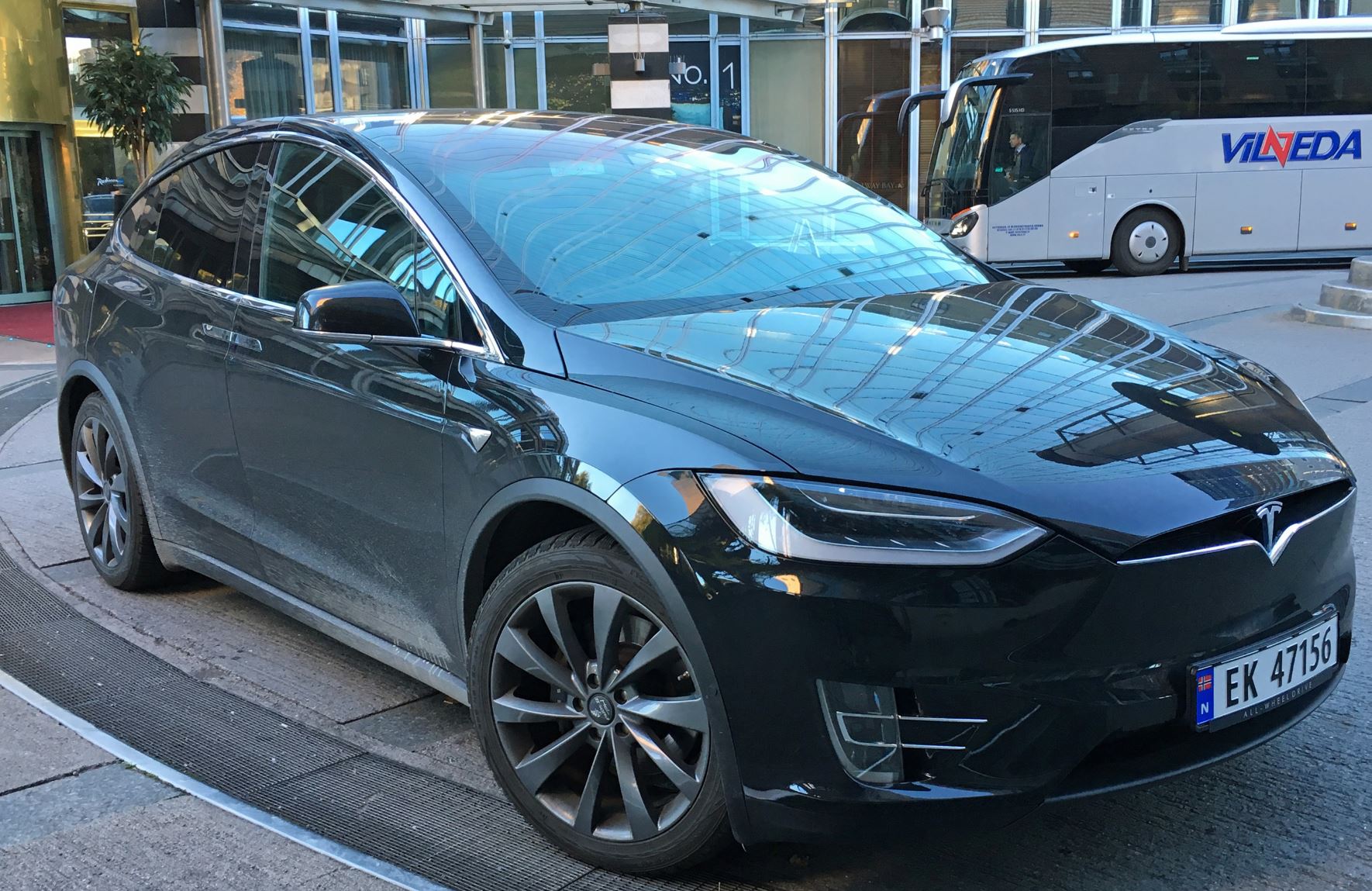
Tesla’s Struggles: A 48% Drop in Sales
Despite the overall growth of the EV market, Tesla is facing significant challenges in Europe. The company’s car sales in the region fell by an alarming 48% in October compared to the same month last year. This stark decline has reduced Tesla’s market share in Europe to just 0.6%, a dramatic drop that raises questions about the company’s competitive position in one of the world’s largest automotive markets.
Tesla’s decline is notable given the increasing demand for electric vehicles across Europe. While there are several potential reasons for this downturn, some key factors stand out:
- Increased Competition: Tesla’s dominance in the electric vehicle market is being challenged by an ever-growing list of competitors. European automakers like Volkswagen, BMW, and Mercedes-Benz are ramping up their electric vehicle offerings, while Chinese brands such as BYD are also making inroads into the European market. As these competitors offer more diverse and sometimes more affordable EV models, Tesla’s earlier advantage may be eroding.
- Price Cuts and Profitability Concerns: Tesla has recently implemented significant price cuts across its model range in an attempt to maintain market share in the face of rising competition. While this strategy has helped drive demand in some markets, it has also raised concerns about the company’s long-term profitability. Lower prices may attract more buyers, but they could also diminish Tesla’s profit margins, which have been a key driver of investor confidence.
- Supply Chain and Production Challenges: Tesla, like many other automakers, has faced disruptions in its supply chain and manufacturing processes, which could have hindered its ability to meet demand. The ongoing global chip shortage and logistical issues have affected the availability of key components, slowing production and limiting the number of vehicles Tesla can deliver to European customers.
Volvo’s Struggles: A Smaller Decline
Tesla is not the only major automaker experiencing setbacks in Europe. Volvo Cars also saw a decrease in sales, down by 5.3% in October compared to the same month last year. Although Volvo’s performance is not as dramatic as Tesla’s, the company still faces challenges in a highly competitive and rapidly changing market. Volvo’s market share in Europe stood at 2.6% in October, a slight decline that highlights the pressure faced by traditional automakers as they transition to electric mobility.
The Future of the European Car Market
As the EU market continues to grow, the key question remains how traditional and new entrants will navigate the changing landscape. For Tesla, the company will need to find a way to adapt to intensifying competition while maintaining its brand’s premium image and high-profit margins. Meanwhile, for established players like Volvo, the shift towards electric vehicles presents both an opportunity and a challenge—those who successfully transition to fully electric or hybrid fleets stand to benefit, but those who fail to keep pace may face long-term declines.
Looking ahead, the European Union’s commitment to reducing carbon emissions, coupled with strong government incentives for green technologies, means the market for electric and hybrid vehicles will only continue to expand. However, the competition for market share will likely intensify, with more automakers vying for a piece of the growing EV segment.
For now, it remains clear that while the EU car market overall is on an upward trajectory, companies like Tesla and Volvo will need to adapt quickly to the changing market dynamics if they are to maintain their competitive edge. As new technologies and market players reshape the automotive sector, October’s sales data serves as a reminder that success in the industry will increasingly depend on innovation, production efficiency, and the ability to meet the evolving demands of eco-conscious consumers.