
A Call For Sovereignty, Security, And Fair Peace
Ukrainians living in the Nordic countries—whether as refugees or long-term residents—express overwhelming support for Ukraine’s sovereignty, territorial integrity, and a peace process rooted in international law. However, there is significant wariness and criticism toward peace plans perceived as overly conciliatory to Russia. Many Ukrainians in the region are deeply concerned about any peace negotiations that could compromise Ukraine’s security or territorial claims. In particular, there is a prevailing sentiment that Ukrainians cannot safely return to the territories occupied by Russia, even if a peace agreement is reached.
Strong Emphasis on Ukraine’s Sovereignty and Territorial Integrity
The primary concern for Ukrainians in the Nordic region is that any peace deal must uphold Ukraine’s sovereignty and territorial integrity. For many refugees, this issue is intensely personal. The fear of being forced to return to areas under Russian occupation, where safety cannot be guaranteed, is widespread. Ukrainians in the Nordic countries are determined that peace should not come at the expense of Ukraine’s independence or security. For them, any settlement that even remotely implies the legitimacy of Russia’s territorial gains is unacceptable.
Nordic governments, for their part, have shown unwavering support for Ukraine’s territorial integrity and self-determination. Security agreements, humanitarian aid, and diplomatic backing reflect a shared commitment to upholding these principles. This solidarity is not just a political stance—it is a response to the concerns voiced by the Ukrainian diaspora in the region. The Nordic countries are seen by many Ukrainians as critical allies in their struggle for freedom and self-determination.
Reaction to Peace Plans: A Sense of Betrayal
Recent peace proposals—particularly those that appear to make concessions to Russia—have sparked considerable backlash from Ukrainians in Nordic countries. The most notable example is a 28-point peace plan put forward by the United States, which has been criticized as an unacceptable compromise. Community leaders in Finland, for instance, described the plan as “shocking” and a potential form of surrender. This peace proposal, developed with input from Ukrainian and Russian officials, but with little consultation from a broad spectrum of Ukrainian society, includes territorial concessions, military limitations, and restrictions on Ukraine’s NATO aspirations.
Ukrainian community leaders argue that such agreements undermine Ukraine’s agency and sovereignty, viewing them as concessions to Russian aggression that have not been fully endorsed by Ukraine’s elected government or its citizens. This proposal, and others like it, have fostered a growing sense of betrayal within the Ukrainian diaspora in the Nordics. Many worry that their voices—those of the people who have borne the brunt of Russia’s aggression—are being sidelined in favour of political expediency.
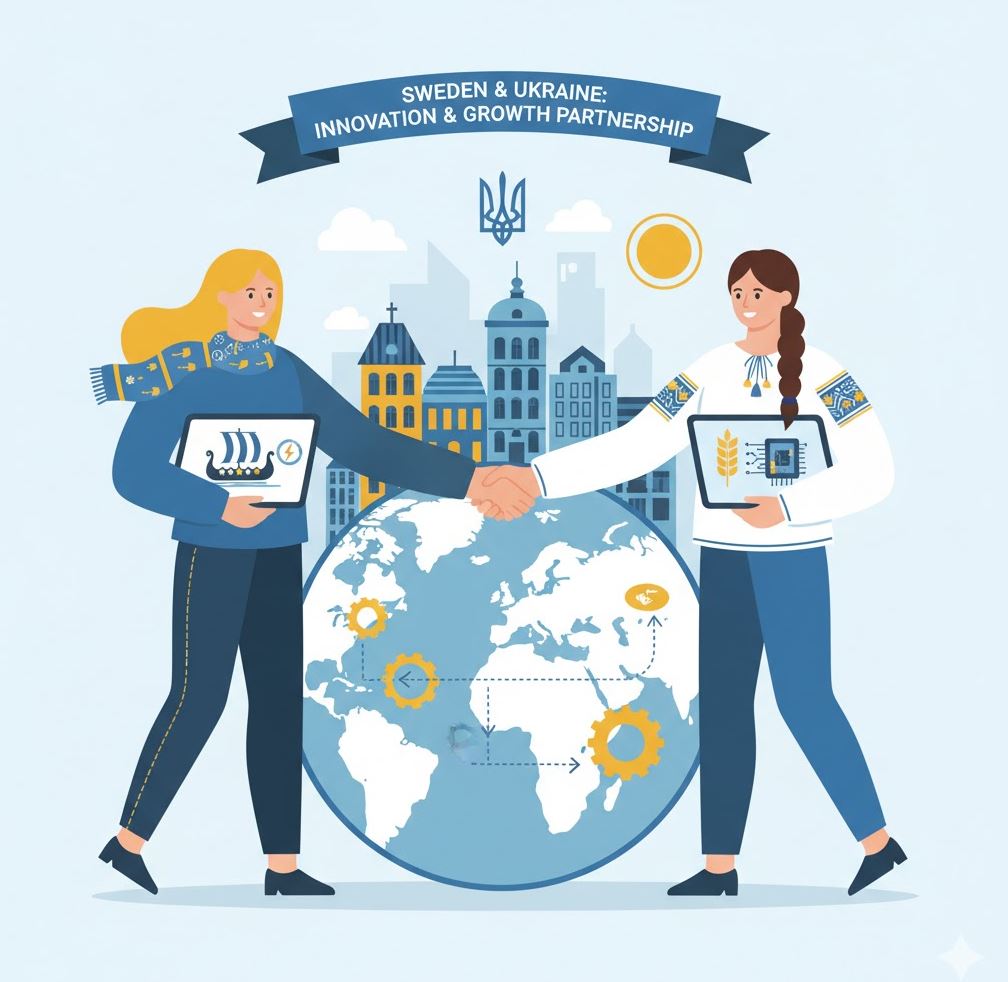
Political and Public Sentiment in the Nordics: A Unified Stance
Political leaders across the Nordic countries, including Finland, have consistently emphasized that any peace settlement must have Ukraine’s full consent. They also argue that a peace process must not reward Russia for its role as the aggressor. This view is shared by the broader Nordic public, which has expressed firm support for Ukraine’s right to defend itself against foreign invasion. The political and public stance in Nordic countries is clear: peace must respect Ukraine’s territorial integrity and security, and Russia must not be allowed to dictate the terms of the peace process.
Ukrainians in the Nordic countries echo these sentiments, stressing that any peace talks should be led by Ukraine and that the international community should support Ukraine’s decisions without imposing undue pressure or compromises. This position is in direct alignment with the Nordic governments’ ongoing commitment to providing diplomatic, humanitarian, and military support to Ukraine.
Nordic-Ukrainian Cooperation: A Partnership in Defence and Diplomacy
The Nordic countries have shown a unified and unwavering commitment to Ukraine’s defence and its pursuit of a just peace. Regular summits, such as the Nordic-Ukrainian Summit held in Stockholm, serve as forums for reinforcing this solidarity. At these gatherings, Nordic leaders reaffirm their support for Ukraine’s sovereignty and territorial integrity, as well as their commitment to a lasting peace based on international law.
This political alignment has significant meaning for Ukrainians in the Nordic countries, many of whom see the region as a beacon of support in their ongoing struggle against Russian aggression. The strong diplomatic ties between the Nordic countries and Ukraine reinforce a shared understanding of the principles that must govern any peace process—namely, that peace must be just, lasting, and based on the respect for Ukraine’s territorial sovereignty.
Conclusion: A Call for a Fair Peace Process
In conclusion, Ukrainians in the Nordic countries are closely following peace negotiations with a sense of urgency and deep concern. They reject any proposals that appear to compromise Ukraine’s sovereignty or security, particularly those that could force Ukrainians to return to occupied and unsafe territories. There is a broad consensus within the Ukrainian diaspora that peace must be achieved on Ukraine’s terms, without giving in to Russian aggression or conceding any of Ukraine’s territorial claims.
This view is not only echoed within the Ukrainian community but also in the political climate of the Nordic countries. Governments in the region remain steadfast in their support for Ukraine, ensuring that their diplomatic efforts align with the values of sovereignty, self-determination, and international law. For Ukrainians in the Nordics, the priority is clear: peace can only be achieved through a process that respects Ukraine’s rights and its future security.