
In a strategic move that reshapes defence dynamics in the Baltic Sea region, Poland has formally announced its intent to purchase three state-of-the-art A26 submarines from Sweden’s defence giant Saab. The deal—valued at approximately 26 billion Swedish kronor (roughly €2.3 billion or $2.5 billion)—marks not only one of the largest defence procurements in Poland’s recent history but also a critical milestone for Sweden’s reemergence as a leading exporter of advanced naval systems.
A Strategic Breakthrough for Baltic Security
While no binding contract has yet been signed, the Polish government’s declaration constitutes a binding political commitment—an “expression of will”—that paves the way for final negotiations. Speaking to Swedish public broadcaster SVT, Saab President and CEO Micael Johansson described the decision as “a real milestone,” emphasizing its broader geopolitical significance:
“This is not just a commercial success—it’s a strategic breakthrough. Submarine cooperation between Sweden and Poland strengthens deterrence across the entire Baltic Sea. Operating from both the western and eastern shores creates a formidable, integrated undersea presence that enhances regional stability.”
The announcement was swiftly endorsed by Swedish Prime Minister Ulf Kristersson, who hailed the agreement as a testament to Sweden’s revitalized defence industrial capacity:
“It demonstrates that Sweden is not only a credible security partner but also a competitive exporter of world-class defence technology. Saab’s A26 program is among the most advanced globally—this deal validates that.”
Defence Minister Pål Jonson echoed this sentiment on X (formerly Twitter), stating:
“Poland has chosen Swedish submarines for the Polish Navy. This will strengthen our common defence, our security, and our shared defence industrial base.”
Industrial Collaboration and Sovereign Capability
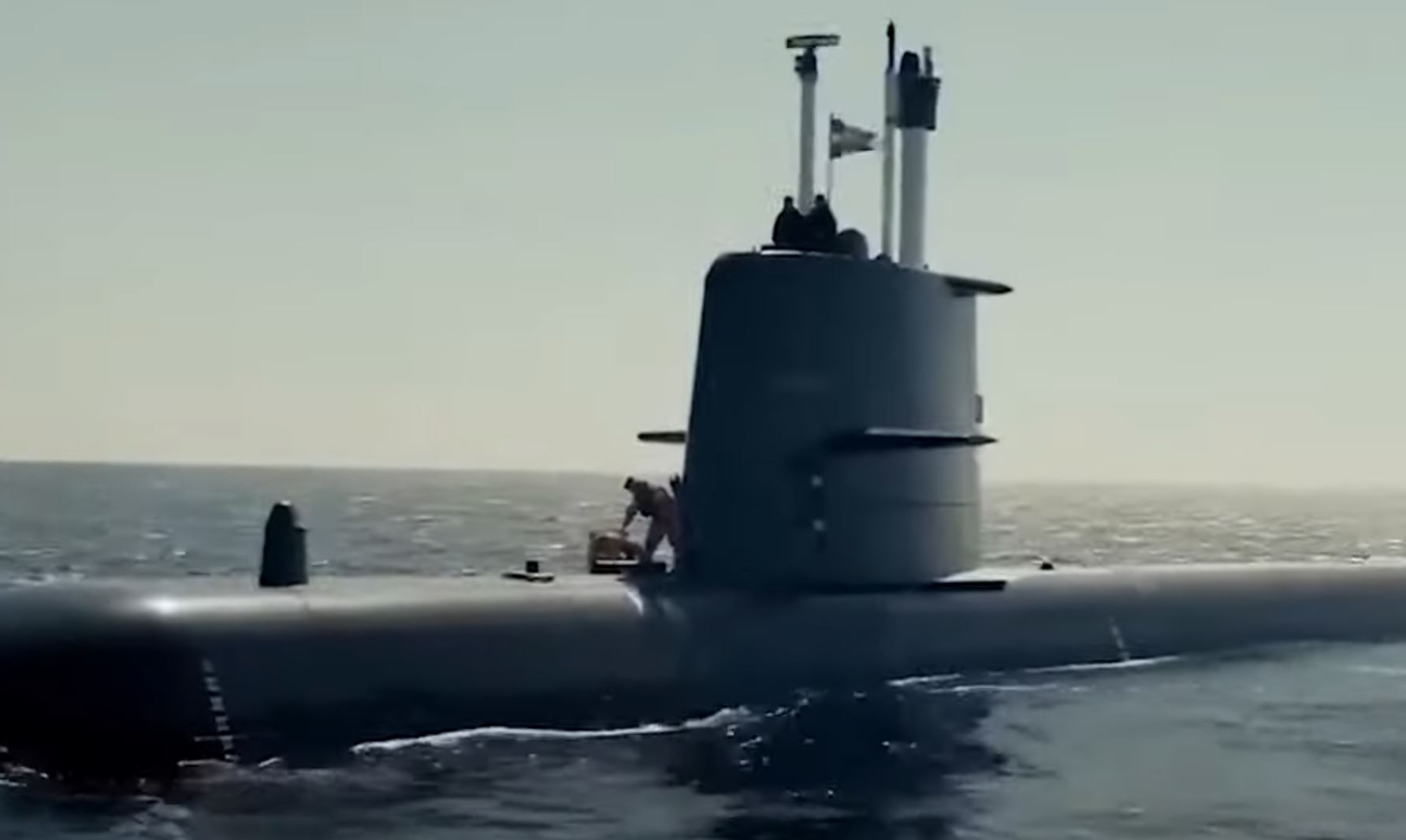
The A26 submarines slated for Poland will be based on the same design currently under construction for the Swedish Navy at Saab’s Kockums shipyard in Karlskrona—a facility that has undergone extensive modernization since Saab acquired it from ThyssenKrupp in 2014. Johansson confirmed that while the vessels will be primarily assembled in Sweden, Polish defence firms will participate in the supply chain, fostering long-term industrial cooperation.
This approach aligns with Poland’s broader defence modernization strategy, which prioritizes interoperability with NATO allies while building domestic industrial resilience. Joint maintenance, training, and spare-parts logistics between the Polish and Swedish navies are expected to follow, creating a framework for sustained operational synergy.
A Turning Point for Saab and European Defence Autonomy
For Saab, the Polish order represents its first international submarine export since regaining control of Kockums—a symbolic and strategic victory. After years of uncertainty following the German divestment and a period of limited naval exports, the A26 program now stands as a flagship of European defence innovation, featuring cutting-edge stealth, air-independent propulsion (AIP), and modular mission systems.
Security analyst John Granlund of SVT underscored the deal’s broader implications:
“This is a real boost for Sweden’s submarine force, which has long operated in isolation. Poland’s commitment to three boats signals a desire for deep, long-term partnership—not just a one-off purchase. It could catalyse further interest from other European navies seeking sovereign undersea capabilities.”
Context: Rising Tensions and Baltic Re-armament
The agreement arrives amid escalating security concerns in Northern Europe. With Russia’s continued military assertiveness in Kaliningrad and the broader Baltic region, both Poland and Sweden—now a NATO member as of March 2024—view enhanced naval deterrence as essential. Poland’s current submarine fleet, consisting of aging Kilo-class vessels acquired from the Soviet era, is nearing obsolescence. The A26s will provide a generational leap in undersea warfare capability, with extended endurance, advanced sensor suites, and precision strike options.
Moreover, the deal reinforces a broader trend of Nordic-Baltic-Polish defence integration. From joint air policing to shared missile defence and now undersea cooperation, regional actors are increasingly pooling resources to counter shared threats—reducing reliance on distant allies while bolstering European defence autonomy.
Next Steps
Though a formal contract is still pending, sources close to the negotiations indicate that final terms—including technology transfer provisions, industrial offsets, and delivery timelines—are expected to be finalized by mid-2026. The first submarine could enter service by the early 2030s.
As Europe grapples with a new era of strategic uncertainty, the Poland-Sweden submarine deal stands as more than a transaction—it is a declaration of shared resolve, industrial ambition, and collective security in the Baltic theatre.
The Nordic Business Journal will continue to monitor developments in this landmark defence partnership.