
In a strategic move aligning Denmark’s industrial capabilities with European defence priorities, ground was officially broken today in Vojens, Southern Jutland, for Fire Point—a Ukrainian-owned defence manufacturing facility that will produce solid rocket fuel on Danish soil. The project, unprecedented in Denmark’s industrial history, marks a significant escalation in the Nordic nation’s commitment to supporting Ukraine’s defence infrastructure while navigating complex domestic safety and regulatory considerations.
The facility, located near Skrydstrup Air Base, is being developed by Fire Point, a Ukrainian defence technology company, with full compliance oversight from the Danish Business Authority (DBA) and in close coordination with the Ministry of Business and the Ministry of Defence. Despite expedited permitting processes to meet urgent wartime supply demands, officials stress that safety protocols have not—and will not—be compromised.
A Factory Built for Catastrophic Risk Mitigation
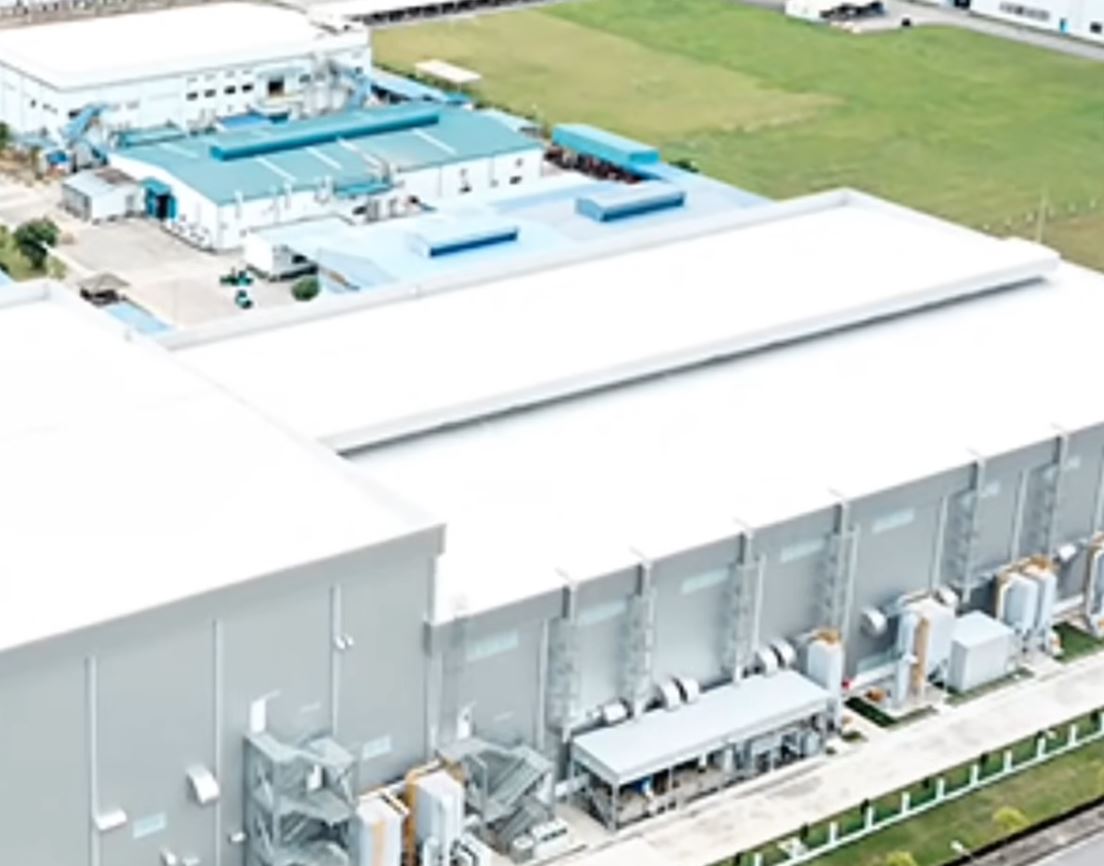
Unlike any existing industrial site in Denmark, Fire Point’s production plant is being constructed from the ground up with extreme safety engineering at its core. According to the DBA, the facility must meet stringent, case-specific requirements due to the volatile nature of solid rocket propellants—materials designed to ignite rapidly and generate immense thrust.
Key structural and operational safeguards include:
- Extra-thick, blast-resistant walls
- Pressure-proof doors and ventilation systems
- Strict buffer zones ensuring significant distance from neighbouring properties
- Dedicated, purpose-built storage bunkers separated from production areas
- Full demolition and rebuild of critical sections of the existing industrial site to meet these standards
“The material they’re handling isn’t just flammable—it’s meant to explode under controlled conditions,” explains Peter Hald, chemist and safety expert at Aarhus University’s Department of Chemistry. “That means every aspect of design must assume worst-case scenarios. If something goes seriously wrong, it’s not just a factory accident—it’s a public catastrophe. It would be a total lose-lose situation.”
Hald likens the production process to “baking a cake—except the cake is designed to launch a missile.” The analogy underscores the precision and danger inherent in mixing, curing, and casting solid propellants, which combine oxidizers and high-energy fuels into stable—but highly reactive—composites.
Political and Public Backing Amid Local Concerns
The project has not been without controversy. Since its announcement, residents of Haderslev Municipality have expressed anxiety over potential fire, explosion, or environmental risks. Two public town hall meetings were convened to address concerns, reflecting a broader tension between national security imperatives and local safety perceptions.
Mads Skau, mayor of Haderslev and a member of the Liberal Party (Venstre), acknowledged these fears but emphasized Denmark’s rigorous regulatory framework. “We’ve maintained constant dialogue with the Ministry of Business and the Ministry of Defence,” Skau said at today’s groundbreaking. “Citizens’ safety is non-negotiable—even when timelines are compressed by wartime urgency.”
While the Danish government has granted certain administrative exemptions to accelerate construction—part of a broader EU effort to streamline defence production—the DBA confirmed that no safety-related regulations have been waived. “Speed cannot override safety when dealing with energetic materials,” a DBA spokesperson stated.
Strategic Implications: Denmark as a Defence Industrial Hub
Fire Point’s Danish venture is more than a local infrastructure project—it signals Denmark’s emerging role as a European node in allied defence supply chains. With production slated to begin in 2026, the factory will supply rocket motors for Ukrainian artillery and missile systems, reducing Kyiv’s reliance on Western stockpiles and bolstering indigenous European defence manufacturing.
Analysts note that hosting such a facility also demonstrates Denmark’s deepening integration into NATO’s industrial defence strategy. The location near Skrydstrup Air Base—home to F-35 fighter operations—further aligns the project with broader military logistics planning.
Transparency and Ongoing Oversight
Authorities confirm that Fire Point’s design was developed in close consultation with Danish engineering consultants and reviewed by multiple state agencies. While parts of the original industrial buildings will be retained for non-hazardous uses (including administrative offices, a canteen, and restrooms), all high-risk operations will occur in newly constructed, regulation-compliant zones.
Mayor Skau stopped short of offering an absolute safety guarantee—a legally and scientifically impossible promise—but stressed institutional accountability: “We’ve been assured every rule will be followed. Just as you can’t guarantee zero risk walking down the street, you can’t eliminate all industrial risk. But here, the margin for error is being engineered out.”
Residents will continue to receive updates through municipal channels, and the DBA has committed to publishing periodic compliance reports.
Article Update Note (December 2025):
Since this article’s initial drafting, the European Commission has announced a €2 billion “Defence Industrial Accelerator” fund, under which Fire Point’s Danish operation may qualify for co-financing. Additionally, the Danish Environmental Protection Agency has initiated a supplementary environmental impact assessment focused on groundwater and air quality—results expected Q1 2026.