
Sweden’s police force has released an updated list of vulnerable areas, with one area being removed and another added to the police’s official situational map of so-called “vulnerable areas.” The new classification brings the total number of vulnerable areas in the country to 65. According to the police, the overall trend indicates that the situation is progressing in the right direction, even though the number of areas classified as vulnerable has increased compared to previous years.
Changes in Vulnerable Area Classification
One of the key updates in the latest report is the removal of Andersberg in Halmstad municipality from the list of vulnerable areas. This area, which had been classified as vulnerable in 2023, has now shown signs of improvement, leading the police to reassess its status.
In contrast, Granängsringen in Tyresö municipality has now been added to the list of vulnerable areas. This decision comes as a result of the persistence of criminal activities and the continued presence of organized crime in the region, which led to its classification as vulnerable.
Overview of Vulnerable Areas in 2023 and 2024
In 2023, the Swedish police had identified 59 vulnerable areas, 17 of which were categorized as particularly vulnerable. This year, the total number of vulnerable areas has increased, but the change largely stems from a revision of the way areas are categorized. Specifically, seven previously larger areas have now been divided into smaller sections, resulting in a higher total count.
Despite this increase, police officials have emphasized that this does not necessarily indicate a worsening of the situation. In fact, the overall tone remains cautiously optimistic, with authorities pointing to a positive shift in some areas.
Charlotta Höglund, the head of the National Operations Department (NOA) intelligence unit, noted that “overall, we see a slightly positive development,” suggesting that there is cause for optimism. She also pointed out that while many areas remain vulnerable, there have been signs of improvement in some of the most at-risk locations.
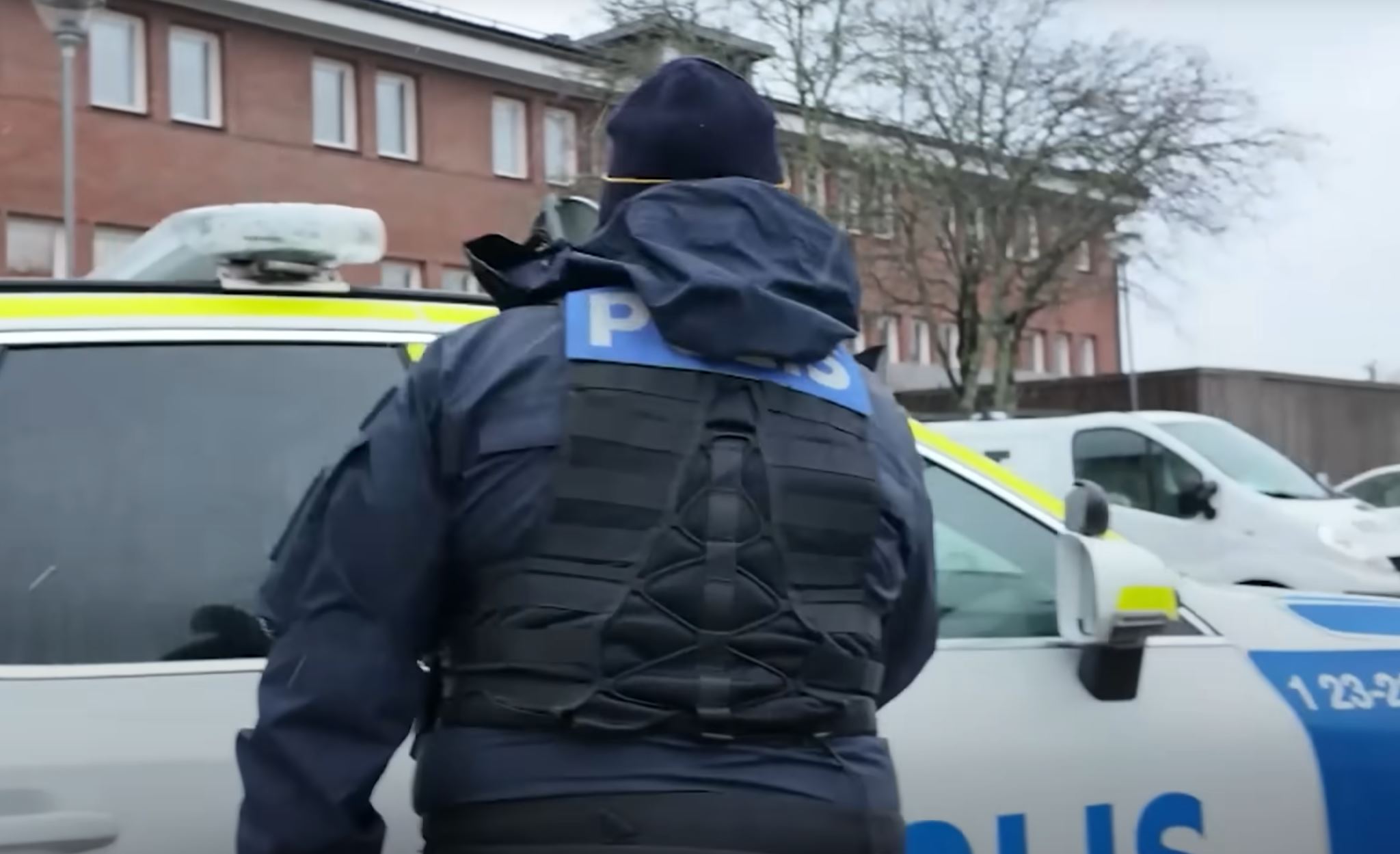
Police Perspective: A Step in the Right Direction
While 2023’s report had revealed that the number of vulnerable areas had remained stable, a development that was seen as concerning, the police are now cautiously optimistic about the current trajectory. According to Höglund, the situation has improved in at least some of the areas, marking a shift from what had been a more acute phase in previous years. “In at least some of these areas, we have gotten past perhaps the most acute phase, and we think that is a good basis for being able to continue working,” she added.
The police’s strategy continues to focus on long-term interventions in these vulnerable areas. The aim is not only to monitor and respond to criminal activities but also to implement community-driven solutions that address the root causes of vulnerability.
List of Vulnerable Areas
| Particularly Vulnerable Areas | Vulnerable Areas |
| These are areas that face the highest levels of risk, where organised crime, social instability, and violence are most prevalent: | These areas, while not as severely impacted, still face significant challenges and are closely monitored: |
| Alby, Botkyrka | Hagalund, Solna |
| Fittja, Botkyrka | Rissne, Sundbyberg |
| Hallunda/Norsborg, Botkyrka | Hallonbergen, Sundbyberg |
| Husby, Järva/Stockholm | Tureberg, Sollentuna |
| Rinkeby, Järva/Stockholm | Storvreten, Botkyrka |
| Tensta, Järva/Stockholm | Hagsätra/Rågsved, Stockholm |
| Ronna, Södertälje | Hässelby farm, Stockholm |
| Geneta, Södertälje | Bredang, Stockholm |
| Hovsjo, Södertälje | Varberg, Stockholm |
| Vivalla, Örebro | Hjulsta, Järvafältet/Stockholm |
| Bergsjön, Greater Gothenburg Northeast | Brandbergen, Haninge |
| Hjällbo, Greater Gothenburg Northeast | Land bridge, Haninge |
| Lövgärdet, Greater Gothenburg Northeast | Finnsta, Järfälla |
| Hammarkullen, Greater Gothenburg Northeast | Fish market, Nacka |
| Hassleholmen, Borås | Sångvägen, Järfälla |
| Norrby, Borås | Spring Village, Huddinge |
| Skäggetorp, Linköping | Skogas, Huddinge |
| Rosengård, Malmö | Grantorp/Visättra, Huddinge |
| Nydala/Hermodsdal/Lindängen, Malmö | Granängsringen, Tyresö |
| Fornhöjden, Södertälje | |
| Lina, Södertälje | |
| Saltskog, Södertälje | |
| Valsta, Sigtuna | |
| Kronogården/Lextorp, Trollhättan | |
| Skiftinge, Eskilstuna | |
| Arby, Eskilstuna | |
| Froslunda, Eskilstuna | |
| Hageby, Norrköping | |
| Navestad, Norrköping | |
| Tjärna meadows, Borlänge | |
| Oxhagen, Örebro | |
| Varberga, Örebro | |
| Backby, Västerås | |
| Gottsunda, Uppsala | |
| Biskopsgården, Storgöteborg/Hisingen, Greater Gothenburg | |
| Hisingsbacka, Greater Gothenburg/Hisingen | |
| Tynnered/Grevegården/Opaltorget, Greater Gothenburg South | |
| Gårdsten, Greater Gothenburg Northeast | |
| Raslätt, Jönköping | |
| Old Farm, Kristianstad | |
| Karlslund, Landskrona | |
| Holma/Kroksbäck, Malmö | |
| South Sofielund/Seved, Malmö city | |
| Araby, Växjö | |
| South, Helsingborg | |
| Dalhem/Drottninghög/Fredriksdal, Helsingborg | |
| Source: Radio Sweden & Swedish Police | |
Conclusion and Future Outlook
The police’s updated classification underscores ongoing efforts to address areas of concern within Sweden’s urban and suburban communities. While some regions show signs of recovery, others continue to face significant challenges. The overall outlook, however, remains cautiously optimistic as the authorities continue to refine their strategies in tackling both immediate criminal activities and longer-term social issues that contribute to vulnerability.
Moving forward, the Swedish police and local municipalities will need to collaborate closely with community organisations, schools, and social services to ensure that vulnerable areas do not remain entrenched in cycles of crime and poverty. The focus must be on prevention, community building, and sustainable intervention strategies to create lasting change.