
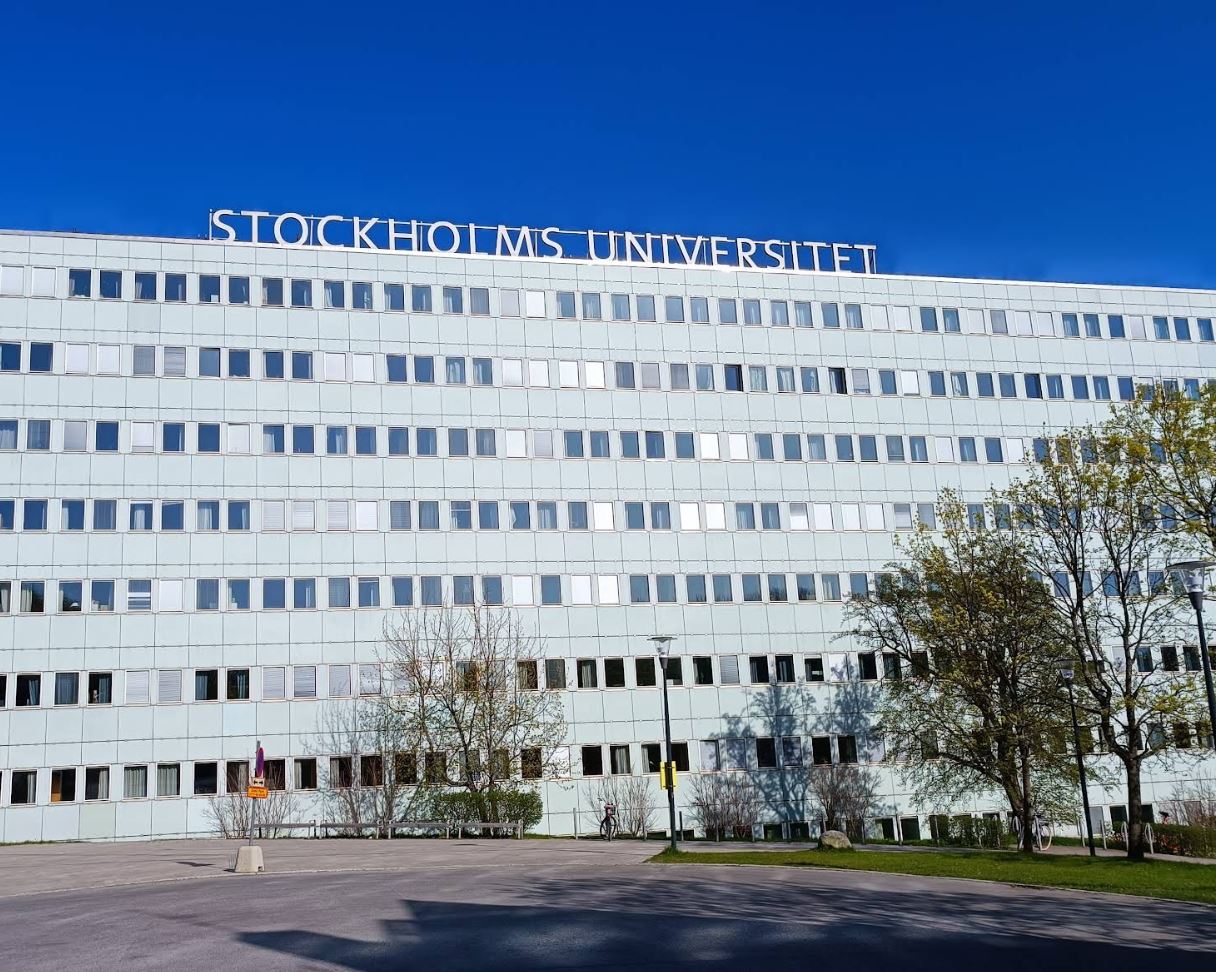
Stockholm University has announced a halt in admissions to its renowned journalism program starting in the fall of 2026, after an external review raised concerns about serious deficiencies in its academic rigour.
The three-year Bachelor’s program at the Department of Media Studies (formerly JMK) has long been regarded as one of Sweden’s most prestigious journalism training programs. However, the external report, commissioned by the university, points to significant shortcomings in its scientific and academic foundations, leading to this unprecedented decision.
Key Findings: Weaknesses in Scientific Foundation
The review primarily highlights the program’s failure to effectively integrate scientific methodology into its curriculum. While the program excels as a vocational training course, preparing students for professional roles in the media industry, it falls short in providing a robust academic framework for higher studies.
The report indicates that academic aspects, particularly research and scientific inquiry, are introduced too late in the curriculum. Furthermore, only about one in four students opts to write a scientific thesis during their final semester. Instead, the majority of students focus on producing journalistic projects, many of which are published in established media outlets.
While such projects are valuable from a vocational perspective, the report suggests that this approach weakens the academic depth of the program. The review emphasizes that, as it currently stands, the program does not meet Sweden’s national qualification standards for academic programs. The lack of a balanced academic structure could hinder graduates’ ability to pursue advanced studies or contribute meaningfully to scholarly research in the field of journalism.
A Call for Reform and Restructuring
In light of these findings, Stockholm University is undertaking a thorough redesign of the program. The university’s leadership has acknowledged that this process will require time and careful planning to ensure the program meets the necessary academic standards without compromising its vocational strengths.
“Admissions to the program will be paused in the fall of 2026, with the goal of welcoming new students in the fall of 2027,” wrote Jimmy Pettersson, the program’s Director of Studies, in an email to current students at JMK.
The university’s primary aim is to strengthen the scientific component of the program, making it more rigorous and comprehensive. Among the planned changes is the introduction of a more traditional Bachelor’s thesis requirement for all students, ensuring that every graduate will be equipped with the academic skills necessary for advanced research and further study.
The Road Ahead: Balancing Vocational Training and Academic Rigour
The decision to halt admissions temporarily reflects a broader trend in higher education, where institutions are increasingly recognizing the need to strike a balance between vocational training and academic rigor. While practical, real-world skills are essential in fields like journalism, the value of a solid academic foundation cannot be overstated—particularly for students who wish to pursue advanced research or contribute to the intellectual development of the field.
By addressing these deficiencies, Stockholm University aims to re-establish its journalism program as a leader in both vocational training and academic excellence. The restructured program is expected to provide future students with a more well-rounded education that prepares them for the evolving demands of the media landscape, while also fostering the intellectual capacity needed for critical analysis, research, and scholarly contributions to the field of journalism.
In conclusion, the temporary suspension of the program’s admissions is a necessary step in its evolution. With a commitment to reform, Stockholm University’s journalism program is poised to emerge stronger, better equipped to meet the academic and professional challenges of the future.