
In an alarming investigation by Swedish Radio’s P4 Sjuhärad, it has been uncovered that prescription medications, including dangerous drugs like acne treatments and life-saving insulin, are being smuggled into Sweden and sold through online platforms. This illegal trade, often facilitated via social media, is growing at an unsettling pace and has sparked concerns among medical professionals, law enforcement, and health authorities alike. The practice is putting public health at risk, particularly among vulnerable groups, and raises serious questions about the effectiveness of Sweden’s regulatory system.
The Investigation:
The Swedish Radio team set out to expose this hidden market by contacting a number of online sellers offering prescription drugs without the required medical prescriptions. They were able to connect with about ten sellers, some of whom were willing to openly discuss their operations. The process usually begins when a seller links potential buyers with a middleman who can supply the drugs. Notably, the sellers are fully aware that their actions are illegal but are dismissive of the consequences, claiming it is “not their problem.”
One of the most concerning drugs discovered during the investigation was Isotretinoin, an acne treatment with severe side effects. Isotretinoin is known to cause birth defects and is highly regulated in Sweden due to its risks. Despite the restrictions, the drug is being smuggled into Sweden from countries in the Middle East and sold to individuals who can access it online without a prescription.
The prevalence of prescription medication smuggling does not end with acne drugs. The investigation also uncovered other controlled medications, including insulin, which is essential for diabetics, and antibiotics, which are often misused for conditions they are not intended to treat. These drugs are typically sold on social media platforms, where buyers and sellers can interact with relative anonymity.
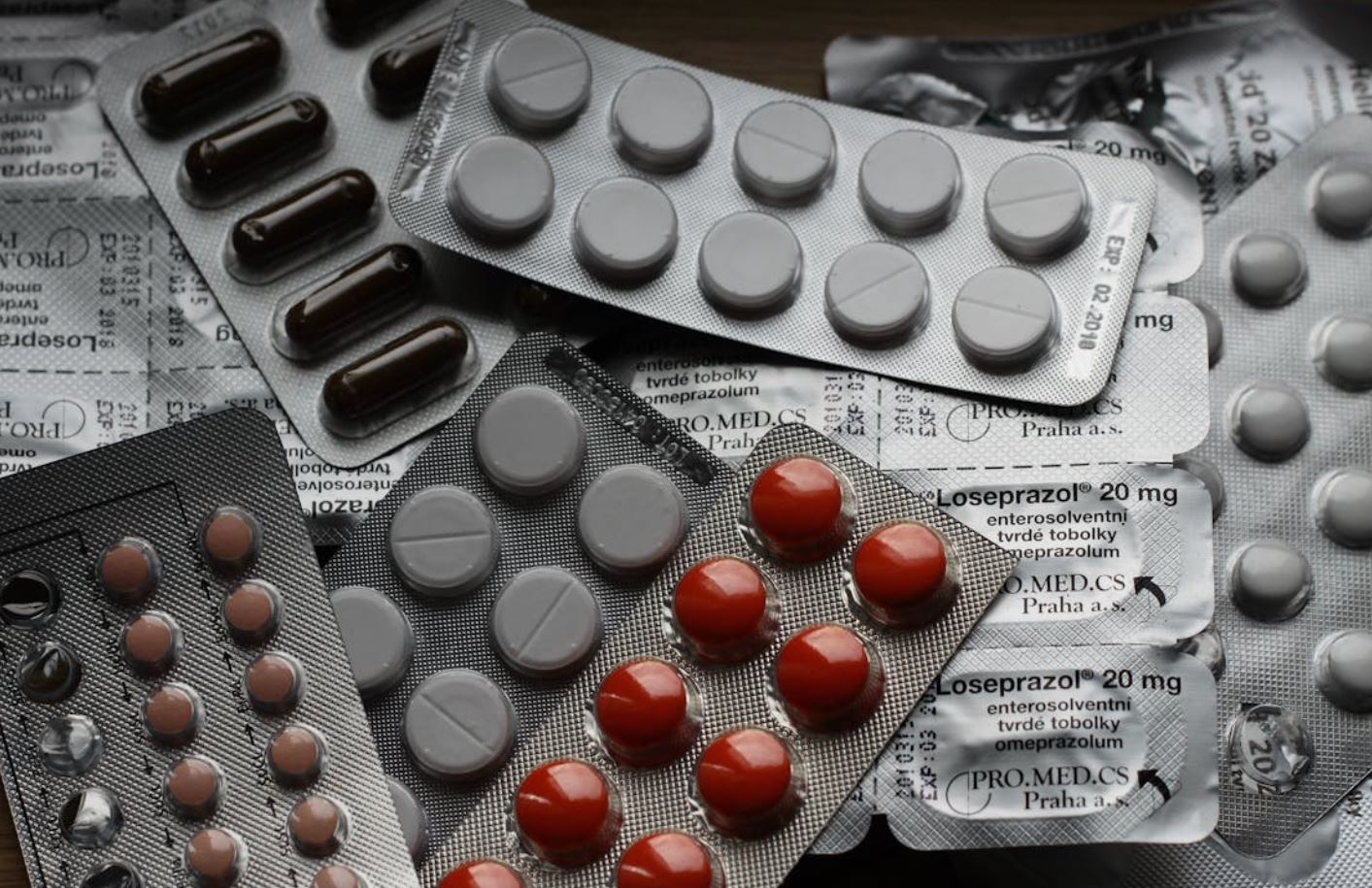
The Dangers of Smuggling Prescription Drugs:
The implications of this illicit trade are far-reaching. Dr. Staffan Svensson, a primary healthcare physician based in Gothenburg, expressed deep concern over the growing accessibility of dangerous medications like Isotretinoin. “If this drug is taken by women of childbearing age and they become pregnant, the consequences can be severe, including birth defects. It is extremely concerning that people can obtain such dangerous substances so easily without any medical oversight,” he said.
Moreover, medications like insulin and antibiotics, when misused or taken without proper guidance, can cause significant harm. For instance, improper insulin use can lead to life-threatening complications, while antibiotic misuse can contribute to the growing global problem of antibiotic resistance.
Why is this Happening?
The rise in prescription drug smuggling into Sweden can be attributed to several factors. First, the proliferation of online marketplaces, especially social media platforms, has made it easier for sellers to reach potential customers. These platforms often operate with minimal oversight, creating opportunities for illegal activities to thrive.
Second, the high cost of prescription medications in Sweden is driving some individuals to seek cheaper alternatives through illegal channels. Prescription drugs like Isotretinoin, for example, are often expensive and require a prescription, which some people may find hard to obtain due to medical restrictions or simply the cost of seeing a doctor.
Third, while Sweden has strong regulations in place for the sale of prescription drugs, these laws face challenges in the digital age. The speed and anonymity of online transactions make it difficult for authorities to track and intercept illegal sales before they reach consumers. This has created a significant loophole in the regulatory framework.
The Impact on Public Health and Legal Implications:
The smuggling of prescription drugs into Sweden not only poses a direct health risk but also strains the healthcare system. As more individuals turn to unregulated sources for their medications, doctors and pharmacists are being forced to contend with growing numbers of people who may be misusing or self-medicating with substances that could be harmful.
From a legal perspective, the consequences for both sellers and buyers are significant. Selling prescription medication without a license is a criminal offense in Sweden, and those caught engaging in such activities face hefty fines and potential imprisonment. The buyers, too, may face legal repercussions for purchasing controlled substances without a prescription.
However, the enforcement of these laws remains a challenge, as the vast majority of transactions occur in the online space, which is difficult to regulate. In many cases, sellers operate from outside Sweden, further complicating efforts to apprehend those involved in the trade.
What Can Be Done?
Addressing the growing problem of smuggled prescription drugs requires a multifaceted approach. First, stronger regulations around online platforms are essential to ensure that they are not being used to facilitate the sale of illegal goods. This could include more stringent monitoring of social media networks and e-commerce websites, as well as stricter penalties for platforms that fail to prevent illicit transactions.
Second, public awareness campaigns could help educate individuals about the dangers of purchasing medications from unregulated sources. Many people may not fully understand the risks associated with self-medicating or taking drugs without professional oversight. Healthcare professionals, in collaboration with law enforcement, could play a vital role in providing this education and discouraging individuals from engaging in the illicit drug trade.
Finally, Sweden’s regulatory bodies must continue to adapt to the rapidly changing digital landscape. While the country has robust systems in place for monitoring the physical importation of drugs, there needs to be an equal focus on the growing role of online sales in the illicit drug trade. Improved international cooperation may also be necessary to track and dismantle smuggling networks operating from outside Sweden.
To conclude, the smuggling of prescription medications into Sweden is a growing issue that threatens both public health and the integrity of the nation’s healthcare system. While the internet has made it easier for individuals to access controlled substances without proper oversight, it has also exposed the vulnerabilities in the existing regulatory framework. With the rise of social media platforms and online markets, this illegal trade is likely to continue unless authorities, healthcare professionals, and the public work together to tackle the issue head-on.