
In the aftermath of a significant police raid at the Stegra steel mill construction site in Boden, Sweden, 280 workers are facing the suspension of their employment. The move comes as a preventive measure to safeguard both the workers’ rights and Stegra’s ability to comply with European labour regulations, according to Mikael Lindström, Stegra’s head of community relations. Lindström emphasized that the action was necessary to prevent the risk of workers being banned from employment across the entire Schengen Area.
The Raid and Its Implications
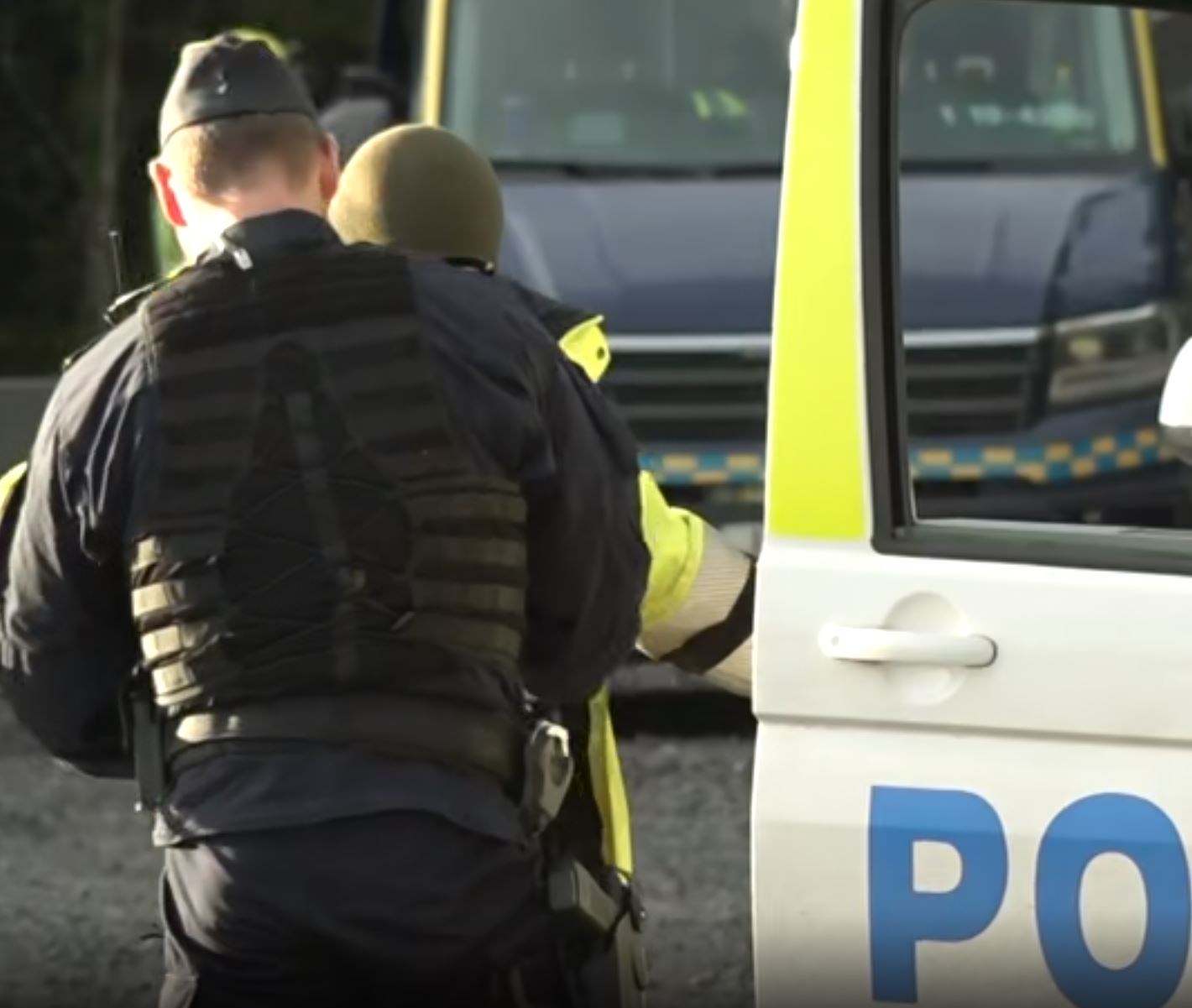
In early November, a coordinated effort by Swedish police and other authorities led to a sweeping inspection at the Stegra site, where roughly 4,200 individuals are employed. The operation resulted in the deportation of 32 workers, a development that prompted Stegra to reassess its workforce. Following the raid, the company made the decision to revoke the work access of 280 individuals, a move that was first reported by NSD.
The reason behind this decision lies in the stringent rules governing work permits in Sweden and the broader European Union. Lindström explained that these workers, many of whom are non-EU nationals, face the risk of being banned not only from working in Sweden but also from entering any other Schengen country. This is a serious consequence, both for the individuals affected and for the company, which is keen to avoid further intervention from authorities.
A Tightened Approach to Work Permits
| Ganileys
The raid brought to light certain discrepancies regarding the status of some of the workers on site, particularly those benefiting from exemptions under EU regulations. Under current rules, citizens of EU/EEA countries or Switzerland can work temporarily in Sweden for up to 90 days without a work permit. However, they must meet several requirements, including having legal residency and work authorization in their home country.
Despite these allowances, police and immigration authorities found that a portion of Stegra’s workforce did not meet the necessary criteria to qualify for the exception. As a result, the company decided to revoke access for 280 workers, effectively pre-empting any potential issues during future inspections.
Preventive Action to Avoid Future Interventions
Lindström emphasized that this decision was made proactively to avoid further complications. The company was unable to guarantee that authorities wouldn’t make similar determinations about other workers in subsequent checks. While the decision affects a significant number of individuals, Stegra believes it is a necessary step to avoid more severe actions, including the potential for a company-wide shut down.
“This is a precautionary measure to avoid any future risks. If the authorities were to make the same judgment about these individuals, it could result in serious consequences for both them and us as a company,” Lindström explained to SVT Nyheter.
Sweden’s Short-Term Work Rules: A Closer Look
To clarify the regulatory landscape, the Swedish Migration Agency outlines clear rules for temporary work in Sweden. According to their guidelines, individuals from EU/EEA countries or Switzerland can work in Sweden for up to three months without requiring a separate work permit, provided they meet the following criteria:
- They are residents of an EU/EEA country or Switzerland, but not citizens.
- They are legally employed by a company in their home country and are temporarily assigned to work in Sweden for that company.
- They are working within the scope of a contract or similar arrangement that outlines the temporary nature of their employment.
However, if the employment extends beyond three months, workers must apply for a residence permit for visits to continue their stay and work legally in Sweden.
The Broader Context: Labor Challenges in Northern Sweden
The industrial boom in northern Sweden, driven by major mining and steel production projects, has created a growing demand for labour. This influx of workers—many from outside the EU—has brought with it new challenges, both in terms of meeting regulatory requirements and ensuring fair working conditions.
The recent protests by Turkish guest workers in Boden, who have raised concerns about unpaid wages, have further highlighted the complexities of managing a diverse and rapidly growing workforce in the region. Labor disputes, along with the heightened scrutiny of work permits, are a reminder of the challenges faced by both companies and authorities in balancing economic growth with compliance and ethical labour practices.
Conclusion
Stegra’s decision to revoke access for 280 workers, while drastic, is a clear response to the complexities of labour regulations in Sweden and Europe. By taking this step, the company aims to ensure compliance with national and EU rules and avoid further legal complications. However, it also underscores the ongoing challenges in managing the booming industrial workforce in northern Sweden, where the demand for labour often collides with the intricate web of immigration and work permit laws. For both businesses and workers, the situation serves as a stark reminder of the need to navigate these regulations carefully to avoid potentially severe consequences.