
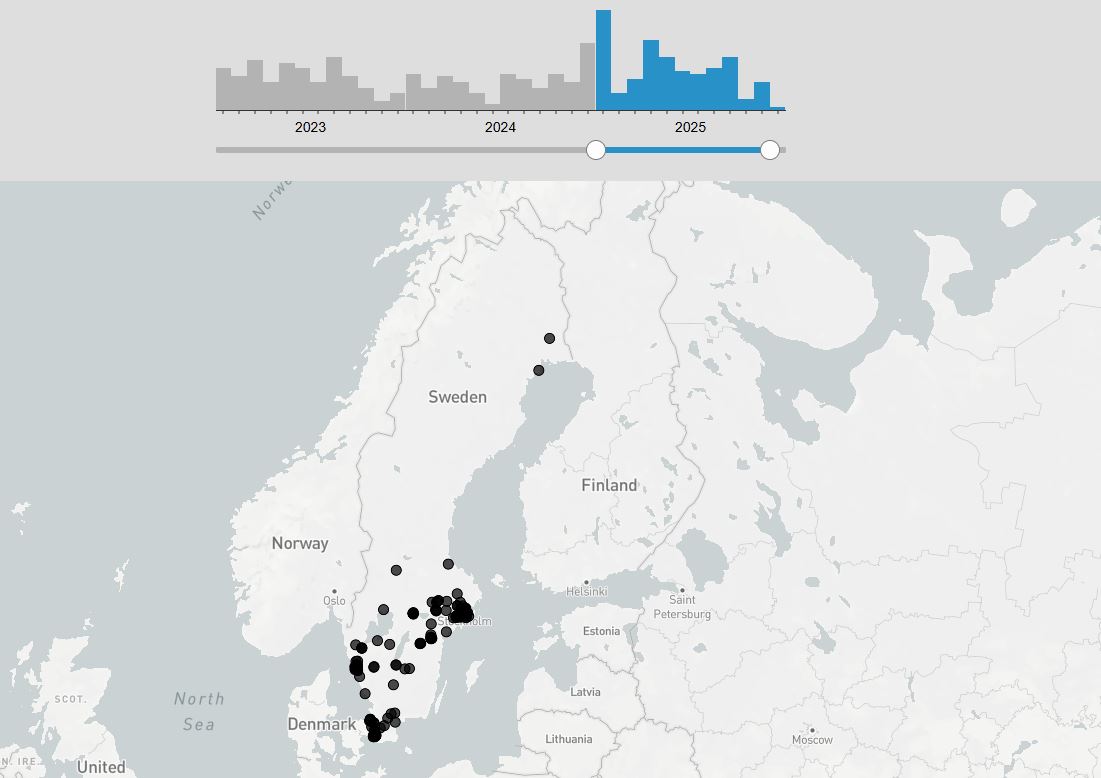
In a worrying trend, the number of children suspected of carrying out bombings and other explosives-related crimes in Sweden has surged dramatically in 2025. According to recent statistics from the Swedish Prosecution Authority, 54 children under the age of 15 have been linked to public nuisance crimes involving explosives—an alarming increase compared to just one case per year from 2018 to 2022.
This uptick marks a significant escalation from last year, when 21 children were involved in such incidents. With nearly triple the number of cases recorded already this year, authorities are sounding the alarm over the growing trend of younger individuals being recruited or coerced into bombings. Mikaela Kym, a group leader at the Norrköping police, attributes the rise to increased access to explosives and a troubling network that targets vulnerable youth.
“The rise in these incidents seems to correlate with better access to explosives and the ability to persuade young people to carry out such acts,” Kym told Ekot, a Swedish news outlet. The authorities are concerned not only about the rise in explosives-related crimes but also about the way these youths are being manipulated or enticed into violent activities.
The Role of Digital Platforms in Recruiting Young Bombers
A key element in this trend is the role of digital platforms, where many of these young individuals are initially recruited. One stark example occurred in January 2023, when a 14-year-old boy was arrested for allegedly planting a dynamite charge at an apartment building in Hammarbyhöjden, southern Stockholm. The youth was reportedly recruited through the popular online game Fortnite, which is increasingly becoming a venue for criminal recruitment, according to police sources.
The use of gaming platforms and social media for recruitment is not isolated. Kym confirms that while online platforms are often the starting point, these interactions frequently spill over into the real world. “We have cases where young people are either threatened into committing these acts or, in some cases, seemingly volunteer for assignments advertised on social media,” she said.
This pattern reflects a disturbing shift in the methods of criminal organizations targeting youth, using both digital manipulation and physical intimidation to orchestrate violent acts. The combination of online anonymity, peer pressure, and the growing prevalence of social media has made it easier for criminals to exploit vulnerable children, often with little immediate risk of being caught.
The Profile of the Perpetrators: Who Are These Children?
The children involved in these crimes come from a wide range of backgrounds, making it difficult to paint a clear picture of the typical perpetrator. However, Kym notes that the vast majority of those arrested in relation to explosives-related offenses are boys. “They come from all walks of life—there’s no simple or clear-cut demographic,” she explained.
This lack of a clear socio-economic profile complicates efforts to intervene early and prevent youth from falling into this dangerous cycle. The growing diversity of those targeted, along with the anonymity offered by digital spaces, makes it harder for authorities to predict or curb recruitment efforts.
An Urgent Call for Action
The rapid rise in child involvement in bombings and explosives-related crimes raises critical questions about both the accessibility of dangerous materials and the ways in which young people are becoming involved in violent activities. The need for a coordinated response from law enforcement, social services, and digital platform providers has never been more urgent.
There is also a pressing need for more robust measures to protect vulnerable children from online exploitation. As games like Fortnite and social media platforms continue to grow in popularity, so too does the potential for them to be used as tools for criminal recruitment.
Conclusion: Addressing a Growing Crisis
The sharp increase in children being recruited to carry out bombings in Sweden reflects a larger societal issue that extends beyond just criminal justice—it involves the protection of vulnerable youth from exploitation, both online and offline. Addressing the root causes of this issue will require multi-faceted solutions, including better regulation of online platforms, increased awareness among parents and communities, and more effective policing and intervention strategies.
As the trend continues to grow, authorities must not only focus on immediate measures to stop these incidents but also invest in long-term strategies to prevent youth from being drawn into this cycle of violence in the first place. The fact that children are being manipulated or coerced into committing violent acts should serve as a call to action for everyone—parents, educators, and society at large—to safeguard the well-being of the next generation.
Additional Insights: The Need for Holistic Intervention
While the rise in violent child offenders is undoubtedly a law enforcement issue, it is also a public health crisis. A more holistic approach is needed—one that not only addresses the immediate criminal activity but also works to address the underlying causes such as social exclusion, mental health struggles, and digital addiction.
Investing in youth programs that offer alternative ways to engage with peers, build self-worth, and learn conflict resolution skills is crucial. Furthermore, digital literacy education that helps children navigate the dangers of the online world—particularly the risks of being recruited for criminal purposes—could be a game-changer in curbing this disturbing trend.
Increased collaboration between police, social services, gaming companies, and educational institutions will be key to reversing this alarming rise in youth involvement in explosives-related crimes.
The Nordic Business Journal is committed to accuracy and fairness. If you spot an error, please contact us at info@NordicBusinessJournal.com