
An analysis of the heightened strategic and economic stakes in the Baltic Sea
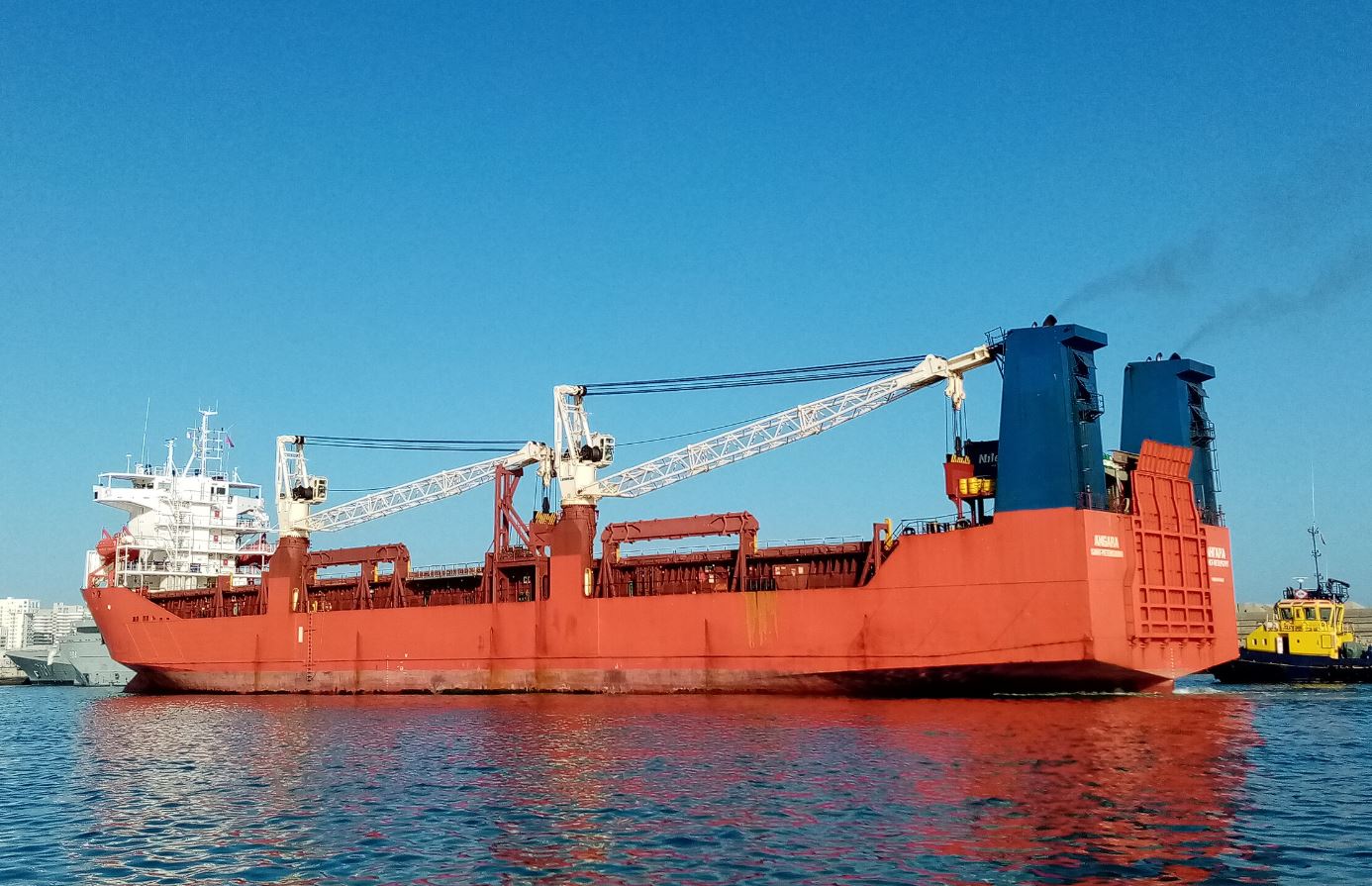
In a calibrated nighttime operation this past weekend, Swedish Customs, supported by the Coast Guard and the National Task Force, boarded and detained the Russian cargo vessel Adler off the coast of Höganäs. While the immediate pretext was an alleged engine failure, the swift state response reveals a far more significant subtext: an assertive Nordic stance against sanctions evasion and hybrid threats in the wake of Russia’s war in Ukraine.
The vessel’s owner, M Leasing LLC, is explicitly listed on both EU and US sanctions registers for its role in transporting North Korean munitions to Russia. This direct link transforms the Adler from a simple distressed ship into a floating node within a prohibited global supply chain arming a conflict at Europe’s doorstep.
Strategic Analysis: The Baltic as a Theatre of Enforcement
This incident is not isolated. It represents a deliberate and sharpening pattern across Nordic and Baltic maritime domains. Over the past year, EU nations have significantly increased interdictions and inspections of vessels suspected of facilitating sanctions circumvention. The involvement of Sweden’s Security Service (SÄPO) and the prosecutor from the National Unit for International Organized Crime underscores that this is treated as a matter of national and European security, not merely a customs infraction.
For the Nordic business community, this escalation carries dual implications. Firstly, it signals a more robust and costly operational environment for all maritime logistics in the region. Enhanced vigilance means increased inspections and potential delays, necessitating even greater due diligence in supply chain partnerships. Secondly, it reinforces the non-negotiable premium on compliance. Companies with any exposure to Eastern trade corridors must audit their networks meticulously to avoid any indirect ties to sanctioned entities, as enforcement agencies are now empowered and clearly willing to act with precision.
The Current Stance: A Waiting Game with Global Repercussions
As of this reporting, the Adler remains immobilized, its fate in the hands of Prosecutor Henrik Söderman. The central legal question is the status of its cargo—”third-country goods” now within the EU. Will this lead to seizure, fines, or simply a monitored departure? The outcome will set a tangible precedent for how Sweden and the EU enforce sanctions through maritime domain control.
Minister for Civil Defence Carl-Oskar Bohlin’s statement, confirming the government’s direct oversight, highlights the political weight of the operation. It is a public demonstration of resolve, aligning with Sweden’s recent NATO accession and its role as a frontline state in safeguarding regional stability.
A New Era of Maritime Vigilance
The boarding of the Adler is a clear message. The Nordic region is no longer a passive corridor. Its waters are now a actively monitored frontier where economic policy and security policy converge. For businesses, the lesson is paramount: geopolitical risk assessments must now include the very lanes of sea traffic, and compliance is your strongest shield.
For our readers: How are you adapting your supply chain and due diligence processes to navigate the new realities of sanctions enforcement and geopolitical risk in the Baltic region? Share your insights with us at editorial@nordicbusinessjournal.com
Follow-up: In our next analysis, we will delve into the economic impact of intensified maritime security on Nordic port competitiveness and logistics costs. We will interview port authorities and major shipping firms to quantify the new normal.