
In a case that has reignited fierce political debate across Sweden, a convicted child murderer—now legally recognised as a woman following a gender transition—has been approved for transfer to a women’s correctional facility. The decision, stemming from recent reforms to Sweden’s gender recognition laws, has exposed deep rifts within the governing Tidö Alliance and raised urgent questions about the intersection of human rights, public safety, and institutional policy.
The individual in question was sentenced to life imprisonment in December 2024 for the brutal murder of his two young children. At the time of the crime, he was legally male. However, following Sweden’s legislative overhaul of the Gender Identity Act in early 2025—which streamlined the process for legal gender recognition based largely on self-declaration—the convicted individual formally changed gender status. On December 19, 2025, the Swedish Prison and Probation Service (Kriminalvården) confirmed the planned transfer to a women’s institution.
This decision has triggered a firestorm within Sweden’s governing coalition, particularly between the Moderates (M), the Sweden Democrats (SD), and the Christian Democrats (KD). KD leader Ebba Busch took to social media platform X (formerly Twitter), stating: “This is exactly what we warned about.” Her party, along with SD, had opposed the 2025 reform on grounds of potential misuse and risks to vulnerable populations. Now, with this case as a flashpoint, both parties are calling for immediate legislative rollback.
Christian Carlsson (KD), chair of the Riksdag’s Social Affairs Committee, has announced plans to summon Kriminalvården’s Director General for questioning. “The change has opened the door to abuse of the law,” he said, echoing concerns about loopholes that could compromise safety in gender-segregated spaces.
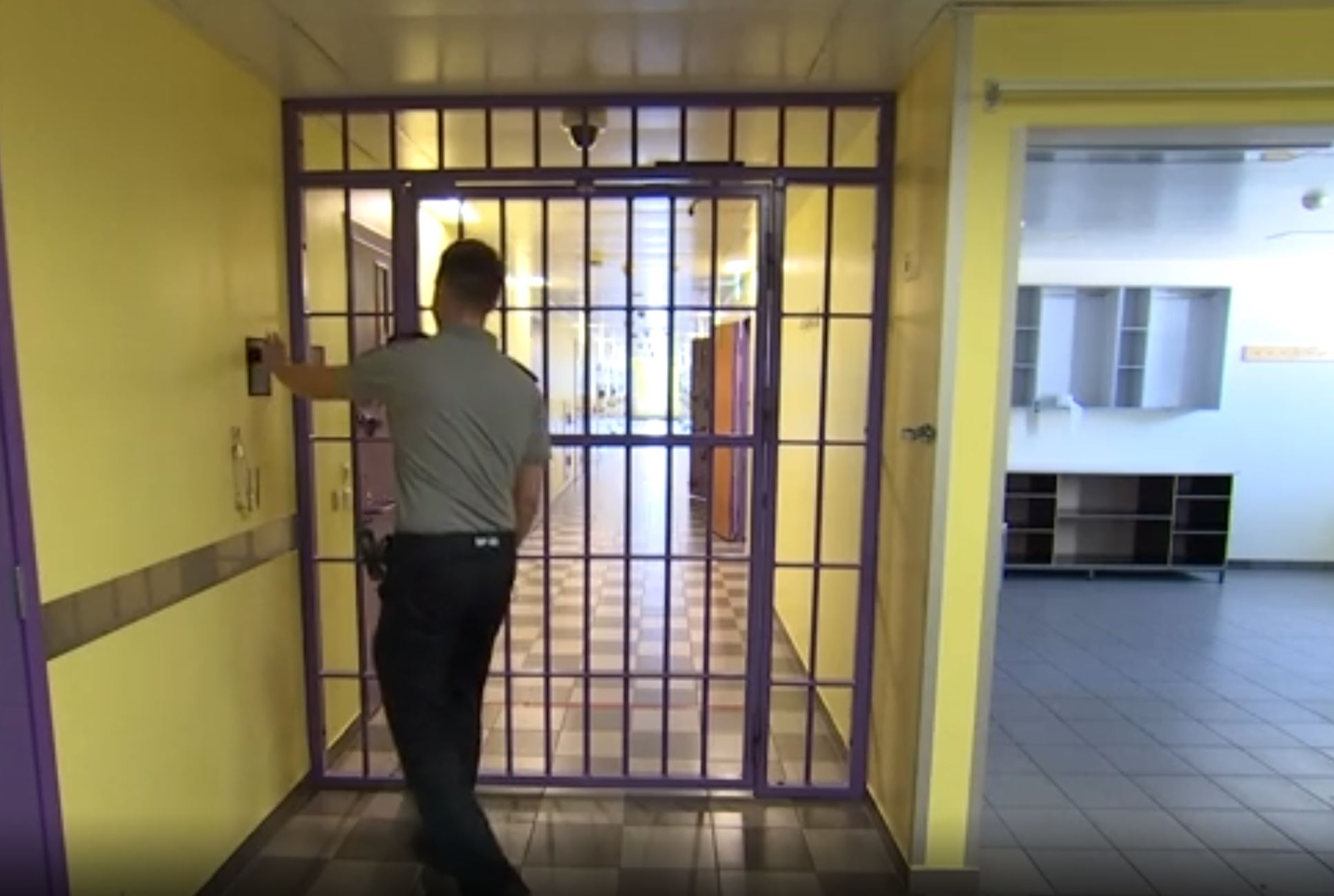
Yet not all coalition members agree with this framing. Moderate MP Fredrik Kärrholm, who also serves as the government-appointed investigator leading a comprehensive review of prison and detention policies, has pushed back sharply. “Åkesson and Busch seem most interested in engaging in a ‘blame game’ rather than a serious, evidence-based discussion,” he told Nordic Business Journal. “What we’re seeing is political theatre—not policy.”
Kärrholm argues that the focus should shift from repealing the Gender Identity Act to reforming the Prison Act itself. “The real issue isn’t self-identification,” he explained. “It’s that our current prison placement protocols lack nuance. Legal gender alone shouldn’t dictate housing—risk assessment, mental health history, and offense profile must all factor in.” His ongoing government-commissioned review, expected to report findings by mid-2026, could propose a more individualized, security-informed approach to inmate classification, regardless of gender identity.
This case is particularly complex because court records and psychiatric evaluations indicate the perpetrator had long-standing mental health challenges and had been experiencing gender dysphoria prior to the murders. This complicates simplistic narratives about motive or intent—but it doesn’t diminish public anxiety, especially among women’s rights advocates and prison reform groups.
From a Nordic governance perspective, Sweden now faces a critical test: how to uphold progressive human rights commitments while ensuring institutional integrity and public trust. Neighbouring countries are watching closely. Denmark and Finland have adopted hybrid models that balance self-declaration with limited safeguards in high-risk contexts like prisons and shelters. Norway’s 2023 reforms included a judicial review step for legal gender change in cases involving violent criminal histories—a precedent Sweden may now reconsider.
Why This Matters for Business and Policy Leaders
For Nordic leaders in both public and private sectors, this controversy underscores a broader trend: the increasing collision between social policy innovation and operational risk management. Companies with CSR commitments tied to gender equity, government contractors managing secure facilities, and investors assessing regulatory stability in the Nordics must now navigate a landscape where social values and institutional safeguards are in active tension.
Moreover, the fragmentation within the Tidö Alliance—once heralded as a model of pragmatic right-of-centre cooperation—signals potential policy paralysis ahead of Sweden’s 2026 budget negotiations. If coalition partners continue to prioritise symbolic battles over coalition cohesion, legislative momentum on economic reform, green transition, and labour market modernisation could stall.
Looking Ahead
The next phase of this story hinges on two parallel tracks: Kärrholm’s prison policy review and potential emergency amendments to either the Gender Identity Act or Prison Act. Our next article will analyse comparative Nordic models for managing gender identity in secure institutions—and assess which frameworks offer the best balance of human rights, safety, and administrative feasibility.
We invite our readers—policy advisors, legal experts, and corporate governance officers—to share insights or case studies from your jurisdictions. How is your organisation addressing the operational challenges of inclusive policy implementation in high-risk environments?
Connect with us at insights@nordicbusinessjournal.com or join the conversation on LinkedIn using NordicGovernance.
The Nordic Business Journal: Where Policy Meets Prudence