
In a development underscoring the complex intersection of maritime logistics, international sanctions, and hybrid warfare, the Russian-flagged freighter Adler has been permitted to leave Swedish territorial waters after a high-alert inspection by national authorities. While prosecutors declined to open a preliminary investigation into potential sanctions violations, the incident reveals deeper structural vulnerabilities in Europe’s maritime supply chain—and underscores the urgent need for Nordic businesses to reassess exposure to sanctioned entities in global trade.
The Incident: Engine Failure or Strategic Diversion?
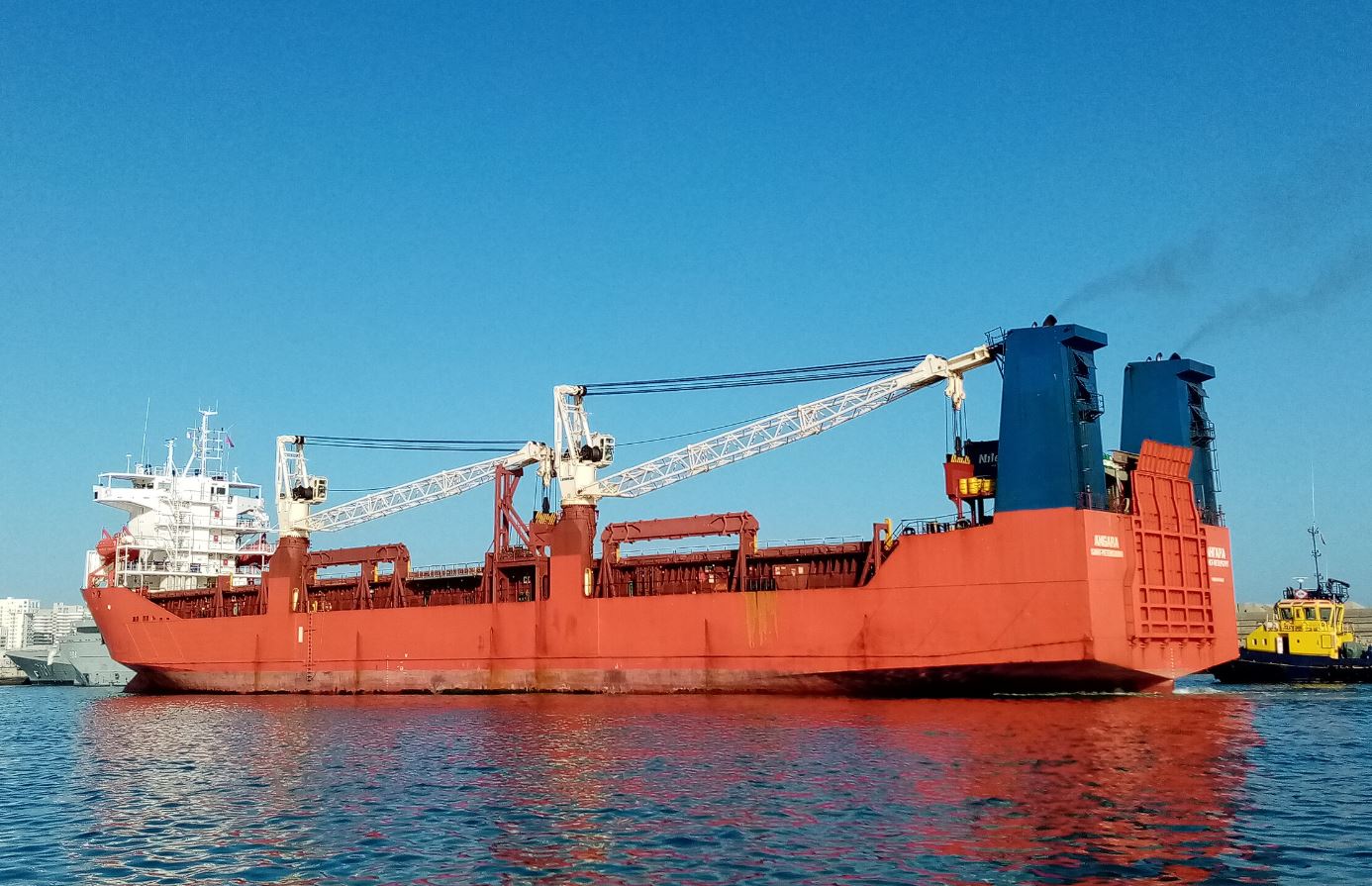
The Adler, owned by Russia’s M Leasing LLC—a firm sanctioned by both the EU and the U.S. for allegedly facilitating arms shipments from North Korea to support Russia’s war in Ukraine—suffered an engine malfunction on Saturday, December 20, 2025, while transiting through the Øresund Strait. The vessel issued a distress call and anchored off the Kulla Peninsula near Höganäs, Sweden.
What followed was a coordinated multi-agency operation led by the Swedish Customs Authority, supported by the Coast Guard, the National Task Force (NOA), the Swedish Security Service (Säpo), and public prosecutors. By Sunday evening, after a thorough onboard inspection, authorities concluded there was insufficient evidence to warrant a formal investigation into sanctions breaches—despite the vessel carrying third-country goods that technically entered Swedish jurisdiction during the stopover.
“The ship did not intend to enter Sweden,” noted Martin Norell, a sanctions compliance expert at the Swedish Customs Administration. “But because third-country cargo came under Swedish control—even temporarily—we had to assess its legal status.”
Why This Matters for Nordic Business
While no charges were filed, the Adler episode is far from routine. It is part of a growing pattern of “grey-zone” maritime activity in the Baltic and North Seas, where vessels linked to sanctioned Russian entities exploit mechanical failures, ambiguous routing, or neutral-flag registrations to test Western enforcement thresholds.
According to SVT security correspondent John Granlund, similar inspections have surged across EU waters in 2025, reflecting heightened vigilance against hybrid threats—including sanctions evasion, arms trafficking, and potential sabotage of undersea infrastructure. “Authorities are now on high alert,” Granlund states. “Every unscheduled anchoring near sensitive infrastructure triggers a risk-assessment protocol.”
For Nordic companies engaged in shipping, logistics, insurance, or raw materials trading, this incident is a stark reminder: due diligence must extend beyond paperwork. M Leasing LLC’s inclusion on EU sanctions lists since 2023 should have triggered red flags across the supply chain—but enforcement gaps persist, especially when vessels claim force majeure or technical distress.
Moreover, the Adler’s cargo—though not confirmed as weapons—highlights the opacity of global shipping manifests. Under current EU Regulation 2023/2698, companies can face secondary liability if they indirectly facilitate trade with sanctioned entities, even unknowingly. The Swedish government’s transparent coordination, as affirmed by Civil Defence Minister Carl-Oskar Bohlin, offers reassurance—but also signals that future incidents may lead to stricter penalties or mandatory cargo disclosures.
The Broader Strategic Context
As of late 2025, the EU has intensified its “anti-circumvention” measures under the 13th sanctions package against Russia, including enhanced maritime monitoring via the newly operational EU Maritime Surveillance Network. Sweden, having joined NATO in 2024, is now integrated into allied maritime domain awareness systems, enabling real-time data sharing with Finland, Norway, and Baltic partners.
This integration is critical. The Baltic Sea is no longer just a commercial corridor—it’s a frontline in economic warfare. Russian shadow fleets, often using AIS spoofing or ship-to-ship transfers in international waters, increasingly exploit Nordic neutrality (or perceived inaction) to reroute sanctioned goods. The Adler may not have broken Swedish law, but its presence tests the resilience of Nordic compliance ecosystems.
What Nordic Executives Should Do Now
1. Audit Third-Party Carriers: Verify ownership structures of shipping partners beyond surface-level registries. Sanctioned entities often operate through shell companies in non-EU jurisdictions.
2. Implement Dynamic Risk Protocols: Integrate real-time sanctions list updates and maritime risk scoring into logistics software.
3. Engage with National Export Controls: Sweden’s Inspectorate of Strategic Products (ISP) now offers voluntary pre-clearance consultations for high-risk shipments.
Looking Ahead
In our next feature, Nordic Business Journal will investigate how Nordic insurers and reinsurers are adapting to escalating sanctions-related liabilities—and whether “grey fleet” exposure is being adequately priced into marine policies. We’ll also profile emerging Baltic port screening technologies that could set a new standard for compliant trade.
Stay Connected
Have insights on maritime risk or sanctions compliance in your operations? We’d like to hear from you. Connect with our editorial team at insights@nordicbusinessjournal.com or join our upcoming executive roundtable on “Supply Chain Integrity in the Age of Hybrid Conflict.”
— The Nordic Business Journal Editorial Team
December 22, 2025