
The Faroe Islands have concluded a fresh fisheries agreement with Russia for 2026, a crucial development in their ongoing maritime relationship. While this agreement allows both Russian and Faroese trawlers to continue operations in each other’s waters, it also brings significant changes, particularly for two Russian shipping companies sanctioned by the European Union. These sanctions, initially imposed this summer, now extend to the Faroe Islands, effectively barring vessels from these companies from accessing Faroese ports and waters.
The fisheries agreement, which sets quotas for fish catches between the two nations, comes at a time of growing geopolitical tensions. According to the Faroese Ministry of Fisheries, these new quotas are slightly smaller than those of the previous year, primarily due to the “biological situation” concerning several species of fish. The revised quotas reflect a concerted effort to manage the sustainability of fish stocks while maintaining a functional partnership with Russia in the fishing industry.
The Agreement’s Broader Impact
For the Faroese fishing industry, which is a pillar of the island’s economy, the 2026 agreement brings a sense of continuity amidst volatile global politics. Eirikur í Jákupsstovu, the Faroese Minister of State for Natural Resources and Industry, expressed satisfaction with the deal, emphasising that the Faroese industry now has clarity regarding quotas for the upcoming year. This clarity allows Faroese trawlers to plan their ventures to the Barents Sea with a more predictable outlook, which is critical for ensuring the profitability of the sector in these challenging times.
However, the new deal is far from a mere administrative update. It marks a broader shift in the Faroese stance towards Russian operations within their maritime borders. Following the European Union’s sanctions against two Russian shipping giants—Murman Sea Food and Norebo JSC—on allegations of espionage and security threats, the Faroe Islands have opted to align more closely with Norway’s position on Russian maritime activity. These companies, which had previously operated in Faroese waters, are now banned from both fishing and docking at Faroese ports, starting from January 1, 2026.
This move comes after increased pressure from both the EU and international intelligence agencies. The Danish Police Intelligence Service (PET) has briefed Faroese lawmakers on the security concerns surrounding these companies, particularly in relation to espionage activities. Despite Russian diplomatic objections and the broader geopolitical fallout from these sanctions, the Faroe Islands have decided to follow suit with Norway’s actions, cutting ties with these entities.
Fisheries and Geopolitics: Navigating Uncertain Waters
The Faroe Islands’ decision to restrict access to Russian vessels is not an isolated one. It is part of a growing trend among Nordic countries to scrutinise and, in some cases, limit Russia’s maritime presence in their waters. Norway, which has long been a key player in Arctic fisheries, has already enacted similar restrictions. This coordinated approach signals a more cautious, security-conscious approach to fisheries management, particularly in light of the rising geopolitical tensions following Russia’s invasion of Ukraine in 2022.
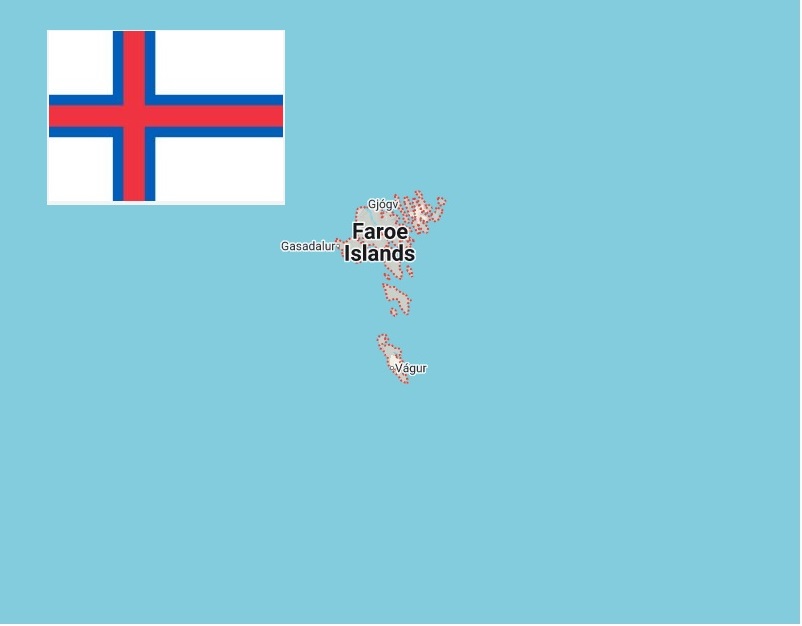
For the Faroe Islands, a self-governing archipelago with strong ties to both Denmark and the European Union, the delicate balance between economic interests and national security is ever more apparent. The fisheries sector, which remains a backbone of the island’s economy, is increasingly shaped by broader political dynamics. While the Faroe Islands are committed to maintaining robust fishing partnerships, they are equally determined to protect their sovereignty and align with international security standards.
Strategic Adjustments and Industry Outlook
The evolving nature of the Faroe Islands’ relationship with Russia reflects broader trends in global maritime policies, where security concerns are often interwoven with trade and resource management. While the new fisheries agreement offers short-term stability, it also raises important questions about the long-term implications for both Faroese and Russian maritime operations. As quotas shrink and international scrutiny intensifies, the future of the Faroese fishing industry will likely require more than just political agreements—it will demand agility in adapting to a rapidly changing geopolitical landscape.
Next Steps and Industry Guidance
As the Faroe Islands move forward with these new fisheries arrangements, the next article will delve deeper into how the island nation is diversifying its maritime strategy to mitigate the risks associated with shifting international alliances. How will the Faroese government support its fishing industry through these turbulent times? What role will technological innovation and sustainability play in securing the future of Faroese fisheries? We’ll also take a closer look at the broader economic impacts on the islands and whether the region’s approach can serve as a model for other small nations facing similar geopolitical challenges.
Stay connected with us for the latest updates and in-depth analyses on the Faroe Islands’ evolving maritime strategies. Your feedback and thoughts are always welcome—reach out to our editorial team to join the conversation and suggest topics of interest for future discussions.