
In a bold legal manoeuvre that underscores mounting tensions in the global clean energy transition, Danish energy giant Ørsted has filed a federal lawsuit against the U.S. Department of the Interior over the abrupt suspension of the Revolution Wind offshore wind project. The complaint, submitted to the U.S. District Court for the District of Columbia on January 1, 2026, comes just days after the Bureau of Ocean Energy Management (BOEM) issued a sweeping order on December 22, 2025, halting construction across five major offshore wind developments along the East Coast—including Revolution Wind.
he 704-megawatt Revolution Wind project, a joint venture between Ørsted and Global Infrastructure Partners’ (GIP) newly formed Skyborn Renewables, is slated to deliver clean power to Rhode Island and Connecticut. Ørsted asserts in its filing that BOEM’s suspension “lacks statutory basis” and contradicts the National Environmental Policy Act (NEPA) and the Outer Continental Shelf Lands Act (OCSLA)—both of which, the company argues, were fully satisfied during its multi-year permitting process.
Strategic Stakes for Nordic Investors and Developers
For Nordic readers—many of whom represent institutional investors, clean tech firms, or policy stakeholders—the implications are profound. The U.S. offshore wind market has long been viewed as a strategic growth frontier for European energy leaders, with Ørsted, Equinor, and Copenhagen Infrastructure Partners (CIP) leading the charge. However, recent regulatory volatility threatens to upend this narrative.
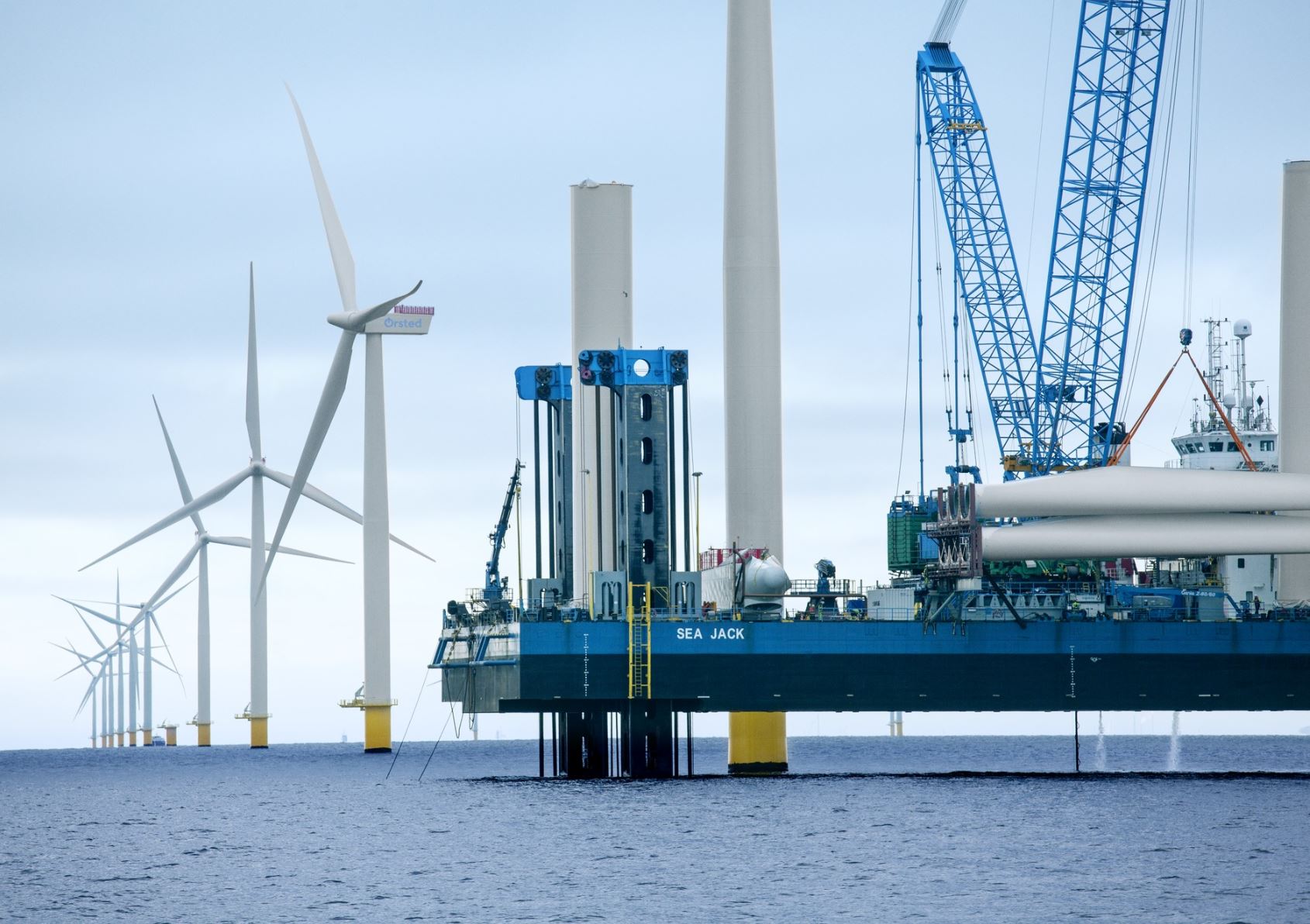
The December 2025 suspension appears linked to heightened scrutiny over seabed lease compliance, supply chain transparency, and potential environmental impacts on endangered North Atlantic right whales—a recurring flashpoint in U.S. offshore permitting. Yet industry insiders argue that much of the regulatory delay stems from political headwinds, including the ongoing reassessment of federal energy priorities ahead of the 2026 midterm elections.
Critically, Revolution Wind is one of the most advanced U.S. offshore projects, with turbine installation scheduled to begin in early 2026. A prolonged delay could trigger cascading contractual penalties, jeopardize power purchase agreements (PPAs), and erode investor confidence—not just in this project, but across the entire U.S. offshore pipeline.
A Broader Chill on Green Investment?
Ørsted’s legal action may mark a pivotal moment. Historically collaborative with U.S. agencies, the Danish firm’s decision to litigate signals growing frustration among international developers with what they perceive as inconsistent regulatory enforcement. If successful, the case could set a precedent reinforcing the sanctity of approved permits and timelines—an outcome that would reassure Nordic firms considering U.S. market entry or expansion.
Conversely, a protracted legal battle may accelerate a strategic pivot. Already, Ørsted and other Nordic players are diversifying into markets with clearer regulatory pathways—such as Japan, South Korea, and the Baltic Sea region—where governments are fast-tracking offshore wind auctions with fixed timelines and streamlined permitting.
Looking Ahead
As this legal and policy drama unfolds, Nordic Business Journal will monitor court filings, regulatory responses, and the ripple effects on transatlantic clean energy capital flows. The outcome of Ørsted’s case could redefine how European developers engage with U.S. regulatory frameworks—and whether the American offshore wind promise remains viable for Nordic capital.
Next in our series: “Beyond the U.S. Gridlock: Where Nordic Offshore Wind Developers Are Scaling Next.” We’ll analyse emerging opportunities in Asia-Pacific and the Baltics, with insights from CIP, Vattenfall, and Norway’s Ministry of Energy.
Have a perspective on U.S. offshore wind policy or international renewable strategy? Connect with our editorial team at insights@nordicbusinessjournal.com or join the conversation on LinkedIn using NordicEnergyFuture.