
Four years after Russia’s full-scale invasion of Ukraine reshaped Europe’s security landscape, the quiet frontier between Norway and Russia has transformed into a frontline of strategic vigilance. In the remote municipality of Sør-Varanger—a 198-kilometer stretch where the Arctic tundra meets geopolitical tension—Norway is not just watching the border. It’s fortifying it.
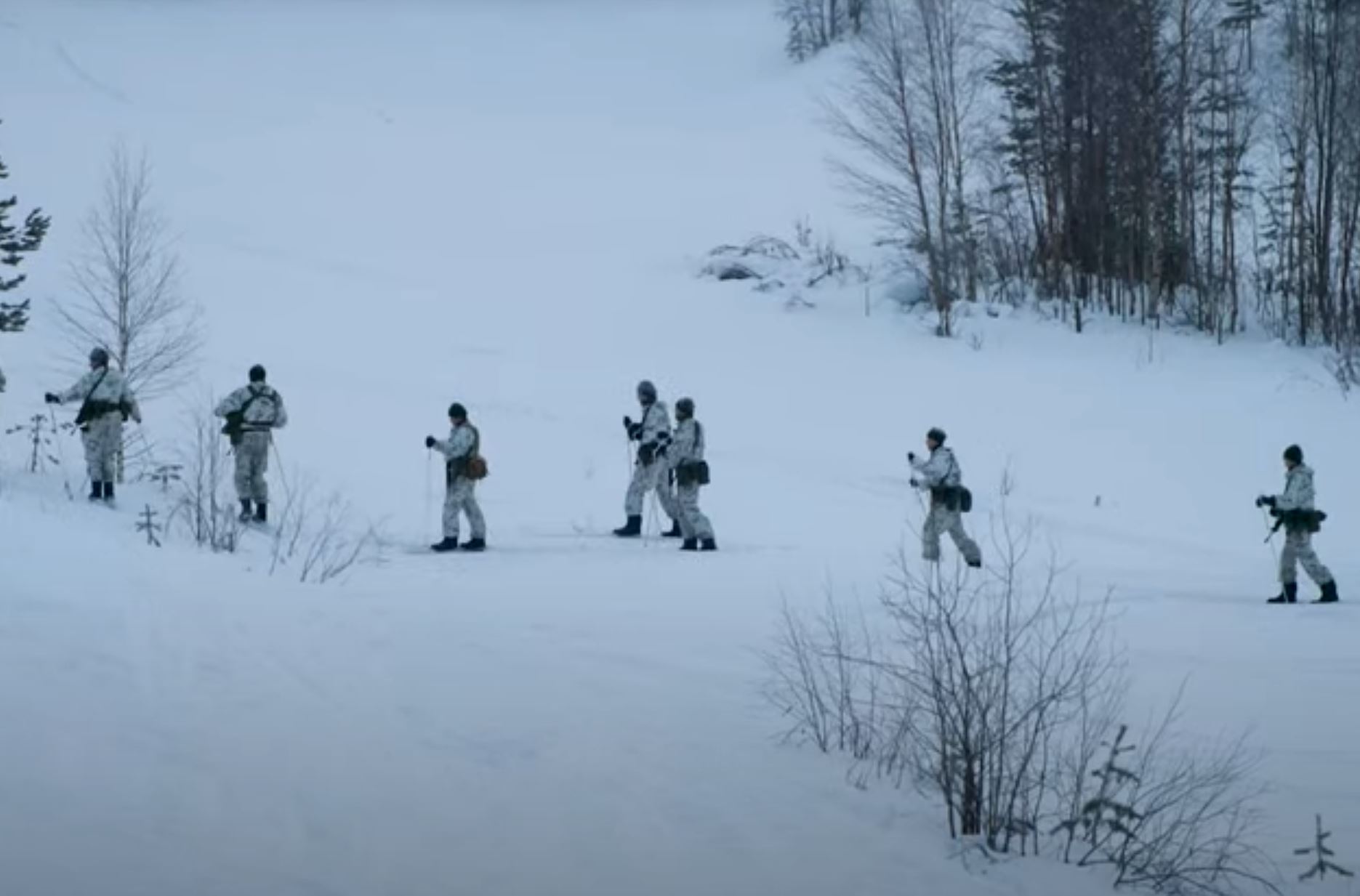
The Norwegian Armed Forces have significantly ramped up their presence in the far north, with the Finnmark Brigade (Finnmarksbrigaden) leading a long-term defence buildup slated to double its operational capacity by 2032. This expansion is no longer just about conventional deterrence; it’s a direct response to a surge in hybrid threats, cyber intrusions, and—most visibly—covert Russian intelligence operations.
From Fishing Boats to “Tourists”: The New Face of Espionage
Brigade Commander Colonel John Olav Fuglem doesn’t mince words: “We see a bigger threat up here—and it’s mainly espionage and information gathering.” Recent incidents tell a revealing story: Russian fishing vessels lingering suspiciously near sensitive infrastructure near Kirkenes, and individuals posing as tourists photographing military installations or probing local logistics networks.
These aren’t isolated curiosities. They align with a broader Kremlin strategy of grey-zone warfare—using non-military means to test defences, sow uncertainty, and map vulnerabilities without triggering open conflict. In the Arctic, where climate change is unlocking new shipping lanes and resource access, such intelligence has immense strategic value.
Local Vigilance Meets National Strategy
What sets Norway’s response apart is its integration of local civilian awareness with military readiness. “We have a good dialogue with those who live in the area,” says a border guard stationed at Pasvik, near the sole official crossing at Storskog. “Residents are attentive—they notice when something doesn’t seem right.” This grassroots surveillance, supported by national security protocols, creates a resilient early-warning fabric that complements technical intelligence.
Importantly, Norway’s Ministry of Defence maintains strict anonymity for personnel in public reporting—a safeguard against targeted harassment or exploitation by foreign actors.
The Nordic NATO Effect: A Game-Changer in the High North
Perhaps the most significant development since 2022 isn’t just Norway’s buildup—it’s the full integration of Finland and Sweden into NATO in 2023 and 2024, respectively. For Colonel Fuglem, this is transformative: “We feel stronger now that our neighbouring countries are in NATO.”
Cross-border military cooperation has deepened rapidly. Joint exercises now regularly link the Finnmark Brigade with Sweden’s Norrbotten Regiment in Boden and Finnish units in Sodankylä and Kajaani. Intelligence sharing, interoperable command structures, and coordinated Arctic response protocols are no longer aspirational—they’re operational.
This trilateral alignment creates a Nordic defence arc stretching from the Baltic to the Barents Sea, denying Russia the ability to exploit historical seams between neutral and allied states. In business terms, it’s a regional security ecosystem—more resilient, redundant, and responsive.
Strategic Implications for Nordic Stakeholders
For Nordic businesses—especially those in logistics, energy, telecommunications, and critical infrastructure—the heightened security posture isn’t just a military concern. It’s a strategic operating condition.
– Supply chains through northern Norway must now account for potential disruptions from heightened alert levels or infrastructure hardening.
– Investors in Arctic resource projects should factor in both enhanced state protection and increased scrutiny from foreign intelligence.
– Public-private partnerships in cybersecurity and resilience are becoming essential, as hybrid threats increasingly target civilian networks.
Moreover, Norway’s establishment of a National Emergency Zone across Troms and Finnmark, backed by a new State Emergency Centre in Kirkenes, signals long-term commitment to civil-military integration—a model other Arctic nations may emulate.
Looking Ahead
As the war in Ukraine enters its fifth year with no clear end in sight, the Arctic has become a silent theatre of strategic competition. Norway’s approach—local vigilance, national investment, and Nordic solidarity—offers a blueprint for managing grey-zone threats in a rules-based alliance framework.
But questions remain:
How will climate-driven economic activity in the Arctic intersect with military security?
Can Nordic defence industries scale to meet rising demand for cold-weather tech and surveillance systems?
And what role will indigenous Sámi communities play in border-region resilience?
Follow-Up & Engagement
In our next feature, the Nordic Business Journal will explore how Nordic defence companies are innovating for the Arctic security economy—from autonomous ice-capable drones to AI-powered border monitoring systems.
We invite our readers—industry leaders, policymakers, and security experts—to connect with us. Share your insights on Nordic defence collaboration, hybrid threat preparedness, or Arctic economic security at editor@nordicbusinessjournal.com. Let’s shape the conversation together.
— The Nordic Business Journal: Informing Strategy, Empowering the North