
A rare but now officially recognized adverse event is testing the resilience of Nordic healthcare systems, compensation frameworks, and the sustainability of the blockbuster GLP-1 drug market.
The Regulatory Shift: From Signal to Label
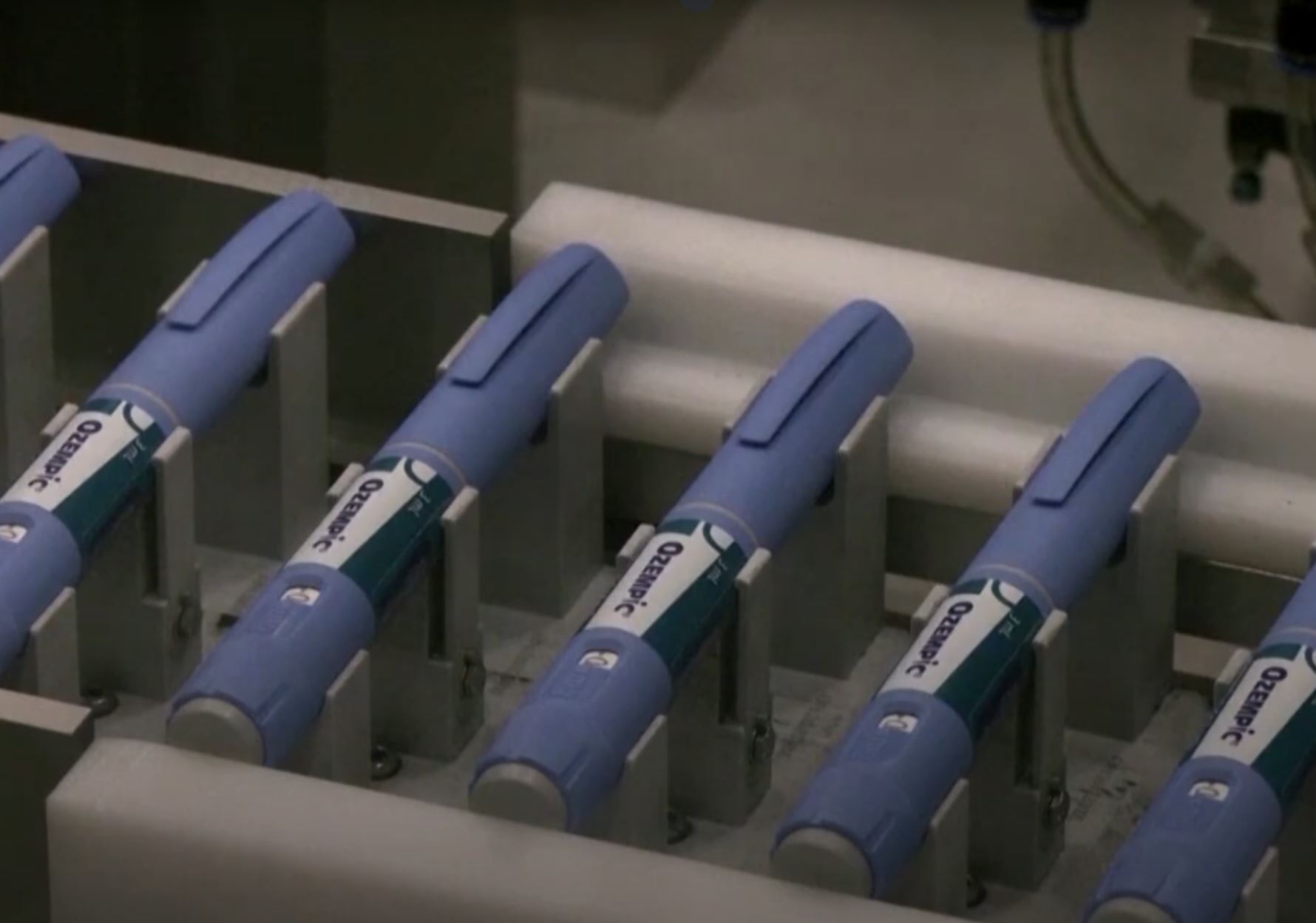
In June 2025, the European Medicines Agency’s (EMA) safety committee (PRAC) confirmed what many clinicians had begun to suspect: non-arteritis anterior ischaemic optic neuropathy (NAION)—a rare condition causing sudden, potentially permanent vision loss due to reduced blood flow to the optic nerve—is a very rare adverse effect of semaglutide-based medicines, including Ozempic, Wegovy, and Rybelsus.
Key conclusions:
– Estimated incidence: up to 1 in 10,000 users.
– Epidemiological data suggest a ~2-fold increase in risk, equating to ~1 additional NAION case per 10,000 person-years of treatment.
By September 30, 2025, this finding was embedded into the EU product labelling, mandating that:
– Clinicians advise patients about sudden vision loss as a potential warning sign.
– Treatment be discontinued immediately if NAION is confirmed.
– Patients seek urgent ophthalmological evaluation.
This label change is more than bureaucratic—it’s a strategic inflection point:
– Clinicians must adjust counselling and monitoring.
– Insurers and compensation bodies now have clearer grounds for causality assessments.
– Pharma companies face heightened pharmacovigilance, communication, and litigation risks.
Nordic Compensation Systems Respond—Fast
Sweden: One Payout, Four Cases Under Review
Sweden’s Läkemedelsförsäkringen (Pharmaceutical Injury Insurance) has received five NAION-related reports as of January 2, 2026:
– 1 case deemed compensable
– 4 under active investigation
This reflects the strength—and strategic exposure—of Sweden’s no-fault compensation model:
– Patients have a clear, low-barrier path to redress, even in complex causality cases.
– Signals surface earlier than in adversarial legal systems.
– But this also means corporate reputational risk escalates faster—transparency cuts both ways.
Denmark: Payouts Already Flowing
Denmark offers an early look at claims scaling in a high-uptake market:
– As of November 21, 2025, the Danish Patient Compensation Association had reviewed 5 of 43 NAION-related claims.
– 4 patients compensated (total: 800,000 DKK)
– 1 claim dismissed
Notably, Novo Nordisk—headquartered in Denmark—updated its labels shortly after the EMA ruling, aligning with the “1 in 10,000” risk estimate.
Business Insight: Even ultra-rare events can generate significant administrative and reputational burden when the drug is in mass use and under public scrutiny.
Why Now? The “Denominator Effect”
Semaglutide’s explosive adoption turns statistical rarities into real-world cases. In Sweden alone:
– 176,059 unique individuals received semaglutide-containing medicines in 2024.
At that scale, “very rare” becomes visible—and actionable.
But NAION doesn’t land in a vacuum. It arrives amid a preexisting “risk stack” across Nordic health systems:
| Challenge | Status in Nordic Region (2022–2025) |
| Supply shortages | Recurring since Aug 2022; new initiations restricted |
| Off-label use | Rising share of non-subsidized prescriptions |
| Access inequities | Regional variation in dispensing patterns |
| Public budget pressure | Obesity treatment intersecting with diabetes care |
The result? A strained ecosystem now grappling with post-market safety on top of demand, equity, and procurement challenges.
Strategic Implications for Nordic Stakeholders
1. Healthcare Providers & Payers: Update Protocols, Not Panic
– Action: Embed NAION awareness into routine care.
– Train frontline staff on red-flag symptoms (sudden vision loss, rapid eyesight decline).
– Align patient information materials with updated EU labelling.
– Strengthen adverse event reporting to capture signals early.
EMA’s message is clear: risk is small but real—and manageable within a positive benefit–risk profile.
2. Insurers & Employers: Prepare for Second-Order Costs
Even rare events can trigger:
– Increased claims volume
– Longer-term disability or income-loss considerations
– Coverage debates: Should employer health plans cover obesity indications vs. diabetes?
The Danish experience shows that awareness drives claims faster than incidence—once a compensation path is known, usage follows.
3. Pharma & Investors: This Is a Governance Test
This is not a demand cliff—but a reputation and responsiveness crucible:
– How fast are labels, training, and patient materials harmonized across markets?
– Are communications perceived as proactive and transparent?
– Are post-authorization safety commitments credible?
In the GLP-1 space, trust is a competitive moat. How companies handle rare bad news may define long-term market leadership.
Key Numbers at a Glance
| Metric | Value |
| NAION incidence | Up to 1 in 10,000 semaglutide users |
| Incremental risk | ~1 additional case per 10,000 person-years |
| Sweden (as of Jan 2, 2026) | 5 reports → 1 compensated, 4 under review |
| Denmark (as of Nov 21, 2025) | 43 claims → 4 compensated (800,000 DKK total) |
Editorial Note
This article provides business and policy analysis, not medical advice. Patients should consult qualified clinicians for individual treatment decisions.
What’s Next?
We’ll soon explore Nordic GLP-1 governance strategies, including:
1. Managing demand during chronic shortages
2. Ensuring equitable access amid rising off-label use
3. Building scalable post-market safety monitoring as these drugs reach broader populations
Have insights? We’re collecting real-world data, procurement experiences, and policy proposals on GLP-1 medicines.
Contact the Nordic Business Journal editorial team to share what you’re seeing—in clinics, boardrooms, or budgets.