
In the first trading week of 2026, global markets are witnessing a historic rally in two of the world’s most strategically significant commodities: gold and copper. Both metals are surging to near-record levels, driven by a confluence of geopolitical instability, monetary policy recalibrations, and structural shifts in global supply and demand dynamics—trends that hold profound implications for Nordic investors, policymakers, and industrial stakeholders.
Gold Hits New Heights Amid Safe-Haven Demand
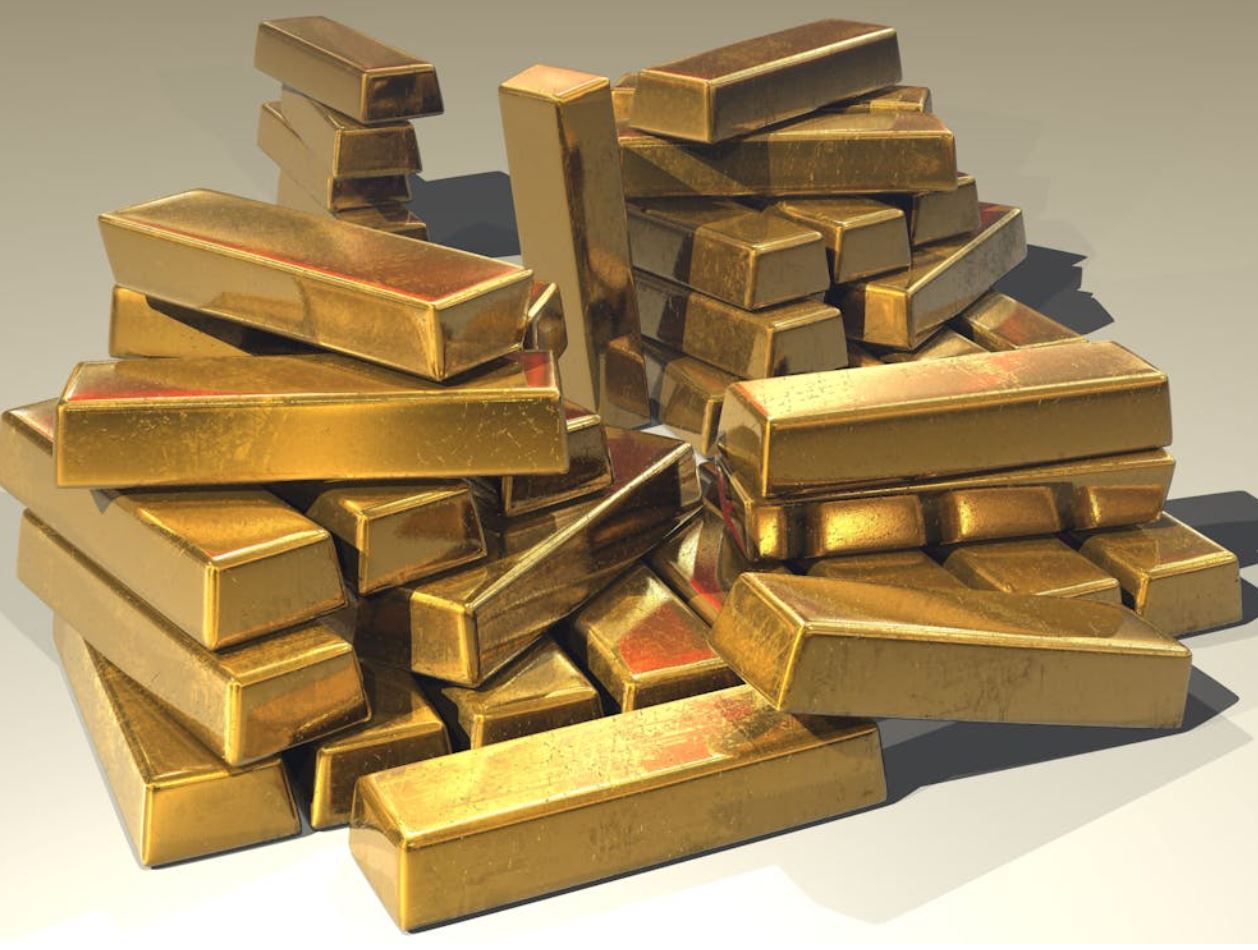
Gold prices climbed to $4,420 per ounce on Monday—a 2.1% increase—hovering just 3% below the all-time high of $4,533/oz set in late December 2025. This capstone follows a staggering 65% gain in 2025, the metal’s strongest annual performance since the early 1970s.
While weekend developments in Venezuela—reportedly involving political unrest and renewed concerns over asset nationalization—initially sparked risk-off sentiment, the more enduring driver has been a clear dovish pivot by the U.S. Federal Reserve. In its latest communications, the Fed signalled a potential pause in rate hikes and even hinted at rate cuts in mid-2026 if inflation continues its downward trajectory. Lower real interest rates diminish the opportunity cost of holding non-yielding assets like gold, thereby boosting its appeal.
For Nordic institutional investors and central banks—many of whom have already increased gold allocations in recent years—this trend underscores a strategic truth: gold is no longer just a relic of monetary history but a critical portfolio stabilizer in an era of fragmented globalization and volatile fiat regimes.
Copper’s Dual Rally: From Industrial Metal to Strategic Asset
Simultaneously, copper prices have surged to $12,844 per metric ton on the London Metal Exchange (LME), up 3.5% and within striking distance of their record high of $12,960/ton. The rally reflects not only tightening physical supply but also copper’s evolving status as a “green metal” essential to the global energy transition.
The supply squeeze stems from multiple sources: declining ore grades in major producers like Chile and Peru, underinvestment in new mining capacity over the past decade, and logistical bottlenecks exacerbated by climate-related disruptions. Meanwhile, demand is accelerating—particularly in electrification, electric vehicle (EV) manufacturing, and grid infrastructure. According to China Securities, the global copper market is projected to face a deficit of 100,000 tonnes in 2026, a gap that may widen as decarbonization policies gain momentum across the EU and North America.
Notably, former U.S. President Donald Trump’s recent statements—indicating he may impose new tariffs on imported copper should he return to office in 2028—are already influencing market behaviour. Traders are front-running potential trade barriers, leading to strategic stockpiling in the U.S., which now holds nearly half of global exchange-registered copper inventories despite consuming only about 10% of annual supply, per UBS data.
For Nordic economies—home to growing EV supply chains (e.g., Northvolt in Sweden) and ambitious green infrastructure projects—this copper crunch presents both risk and opportunity. On one hand, input cost inflation could pressure margins; on the other, it may accelerate regional efforts to secure ethical, near-shored mineral supplies, including through Arctic mining ventures and circular economy initiatives.
Strategic Implications for the Nordics
The dual surge in gold and copper reveals a broader macroeconomic narrative: markets are pricing in a world of heightened uncertainty and structural realignment. In such an environment, traditional diversification models may fall short. Nordic asset allocators should consider:
– Dynamic commodity exposure: Integrating tactical allocations to gold and copper not just as hedges, but as thematic bets on de-dollarisation and decarbonisation.
– Supply chain resilience: Partnering with EU-wide critical raw materials alliances to reduce dependency on volatile global sources.
– Policy advocacy: Engaging with national and EU regulators to fast-track sustainable mining approvals and recycling infrastructure.
As central banks recalibrate policy and geopolitical fault lines deepen, the interplay between monetary regimes and physical commodity markets will only intensify. In our next feature, we will examine how Nordic pension funds and sovereign wealth vehicles are adapting their commodity strategies—and whether the region is positioned to become a hub for ethical metal sourcing in a fractured world.
We invite our readers—investors, industry leaders, and policymakers—to share insights, data, or perspectives on how your organisations are navigating this new commodities landscape. Connect with our editorial team at insights@nordicbusinessjournal.com or join the conversation on LinkedIn using NordicCommodities2026.