
The United States has recently unveiled its 2025 National Defence Strategy (NDS), a document released every four years that outlines the country’s strategic priorities and defence posture for the upcoming period. This year’s iteration marks a noticeable shift in focus, with Greenland emerging as a pivotal element in U.S. defence considerations. While much of the global discourse has been cantered on the rise of China, the strategy appears to reframe the U.S.’s defence priorities, placing less emphasis on China and refocusing on both traditional and evolving security concerns. Greenland, however, has become increasingly prominent in this framework, mentioned no fewer than five times as a critical area for U.S. interests.
Greenland’s Growing Importance
Historically seen as a remote, strategic location primarily for its proximity to the Arctic, Greenland’s significance has grown exponentially in recent years. The U.S. defence strategy not only highlights the geopolitical importance of Greenland but also makes it clear that American influence in this region is non-negotiable. The latest NDS underscores Greenland’s strategic role in ensuring both military and commercial access across vital corridors, notably the Panama Canal and the Gulf of Mexico. The U.S. Department of Defence (DoD) emphasises that its position in the Western Hemisphere is increasingly under threat from adversary influence, particularly in the Arctic region.
In the document’s preamble, it is stated that the U.S. faces an unprecedented security environment, with key areas such as Greenland becoming less secure and increasingly vulnerable to external actors. This renewed focus is seen as a direct response to the growing military presence of rival nations in regions once considered U.S. strongholds.
The strategy asserts that the U.S. cannot afford to cede control over these critical areas and must guarantee access to key territories, including Greenland. The U.S. Department of War (DoW) further articulates its commitment to providing the president with credible military and commercial options to maintain U.S. dominance in the Western Hemisphere, stretching from the Arctic to South America.
The Changing Landscape: From China to Russia
One of the more striking elements of the 2025 NDS is the recalibration of the U.S. defence priorities. While China has long been perceived as the central threat to global stability, the new strategy diminishes its prominence as a top-tier security threat. The document suggests that China is no longer the “primary security concern,” with U.S. forces instead pivoting toward a more complex global defence framework that also considers the re-emergence of Russia as a geopolitical adversary.
Russia, with its extensive nuclear arsenal and growing cyber and space capabilities, is described as a persistent but manageable threat. The strategy emphasizes that Russia’s actions, particularly in the European theatre, continue to pose challenges for NATO and American interests but are not considered an existential threat to U.S. soil—at least not in the immediate term. Instead, the strategy places greater weight on reinforcing U.S. military posture in its own borders while preparing to deter Russian aggression more effectively within NATO’s eastern territories.
This shift in focus is perhaps best exemplified by the Pentagon’s directive for a stronger presence in the Arctic and the Western Hemisphere, where Greenland plays a central role in maintaining access to strategic areas.
A New Role for Allies and the Monroe Doctrine
A notable aspect of the 2025 NDS is the call for greater burden-sharing among U.S. allies. This reflects a broader strategic evolution where the U.S. expects its partners to assume a more active role in addressing threats that may not pose the same level of urgency to American security but are more pressing to regional allies. For example, the strategy encourages European partners to take a lead in addressing threats like illegal migration and narco-terrorism that disproportionately affect their borders.
Furthermore, the strategy reasserts the Monroe Doctrine, a 19th-century policy that sought to limit European influence in the Western Hemisphere. While President Trump’s iteration of this doctrine, the so-called “Donroe Doctrine,” was a more aggressive stance on maintaining U.S. influence, the 2025 NDS adopts a more measured approach, emphasizing collaboration with regional partners while ensuring U.S. dominance over strategic chokepoints like the Panama Canal and critical territories in the Arctic, including Greenland.
This echoes the broader theme of the NDS: the U.S. must actively defend its interests and project power across the Western Hemisphere, with Greenland becoming a linchpin in this vision.
The Arctic as a Geopolitical Arena
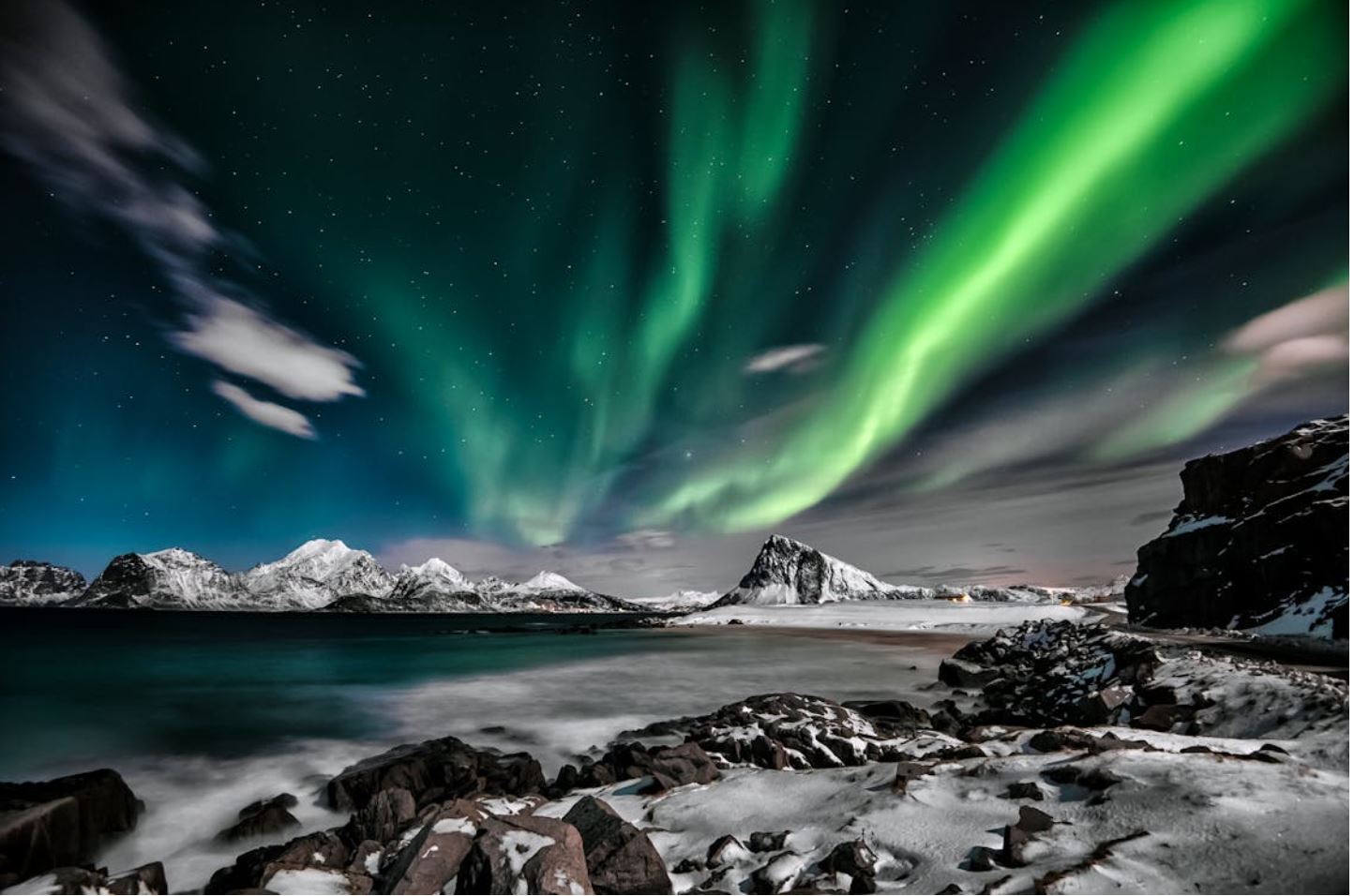
The shifting dynamics of the Arctic are not just a U.S. concern. Greenland’s centrality in the Arctic region places it at the heart of a larger geopolitical contest involving Russia, China, and NATO. As global warming continues to open up previously inaccessible sea routes, the Arctic has transformed from a remote, inhospitable region to a potential economic and military frontier. The region’s vast natural resources, new shipping lanes, and strategic location make it an area of increasing competition and importance.
Both Russia and China have shown growing interest in the Arctic, with Russia expanding its military presence and China positioning itself as a “near-Arctic” power. The U.S. has responded by strengthening its military assets in Greenland, reaffirming its commitment to safeguarding the region’s stability and ensuring its control over critical sea lanes and airspace. Greenland’s role in this broader strategic context cannot be overstated; it is not just a physical territory but a symbol of the U.S.’s resolve to maintain influence in an increasingly contested and interconnected world.
The Strategic Outlook
As the geopolitical landscape continues to evolve, Greenland’s place in the U.S. defence strategy is likely to become more pronounced. The 2025 National Defence Strategy signals a reorientation toward ensuring U.S. dominance in the Arctic and the Western Hemisphere, with Greenland serving as a cornerstone in this effort. With rising tensions in the Arctic, the U.S. must prepare for new forms of engagement, balancing military readiness with diplomatic efforts to manage the growing rivalry with Russia and China.
In future discussions, it will be crucial to explore how the U.S. can effectively collaborate with its allies in the Arctic, navigate the complexities of international law in contested areas, and address the environmental and economic opportunities that come with a changing Arctic landscape.
What’s Next?
In our next edition, we’ll delve deeper into the implications of Arctic geopolitics, examining how Greenland’s role in the new defence strategy could shape not only U.S. policy but also the future of international relations in the region. For ongoing updates and in-depth analysis, connect with us on our social platforms or via our website.