
As global leaders gathered in Hamburg to discuss offshore wind energy, an unmistakable undercurrent of geopolitical strategy and energy independence was palpable. The European commitment to expanding wind energy in the North Sea is not just an environmental initiative; it is also a clear response to geopolitical tensions, notably the ongoing challenges posed by reliance on Russian energy supplies.
US President Donald Trump’s remarks at the 2026 World Economic Forum in Davos may have taken aim at wind energy, dismissing it as economically detrimental. “There are wind turbines everywhere, and they are losers,” Trump remarked, claiming that countries with abundant wind farms were “losing money” and suffering economically. However, Europe’s leaders are not deterred. In fact, they are doubling down on offshore wind energy—seeing it as a linchpin for both climate goals and energy security.
In a major demonstration of unity, 10 European nations—including Denmark, the United Kingdom, and Germany—have signed a landmark declaration to develop 100 gigawatts of offshore wind capacity in the North Sea. The plan includes a network of undersea cables that will connect the wind farms to multiple countries, offering enough power to electrify 143 million homes.
A Bold Step for Climate and Security
For Denmark, which has long been a pioneer in wind energy, this commitment is not just about sustainability—it is about energy security and political resilience. Lars Aagaard, Denmark’s Minister for Climate, Energy, and Utilities, stressed the strategic importance of the North Sea. “The North Sea holds enormous potential for offshore wind,” Aagaard remarked, stressing the need for cross-border cooperation. “None of us can solve the challenge alone, but we are fortunate to have reliable European partners to collaborate with.”
This latest push follows a similar agreement made in 2022, when Danish Prime Minister Mette Frederiksen joined Germany, Belgium, and the Netherlands in a historic pledge to increase offshore wind capacity tenfold to 150 gigawatts by 2050. While the ambitious plans to create an artificial island in the North Sea were shelved due to cost concerns, the commitment to accelerating wind energy remains steadfast.
The European Union’s renewed commitment to wind energy comes at a time when the continent faces unprecedented energy challenges, exacerbated by Russia’s invasion of Ukraine and the subsequent energy crisis. EU Energy Commissioner Dan Jørgensen, speaking at the Hamburg summit, outlined how the landscape has shifted. “In 2020, climate change was the dominant topic. Today, it’s just as much about security policy,” Jørgensen explained. The pivot from purely environmental concerns to energy independence has galvanized European governments, even those previously hesitant to invest heavily in renewables.
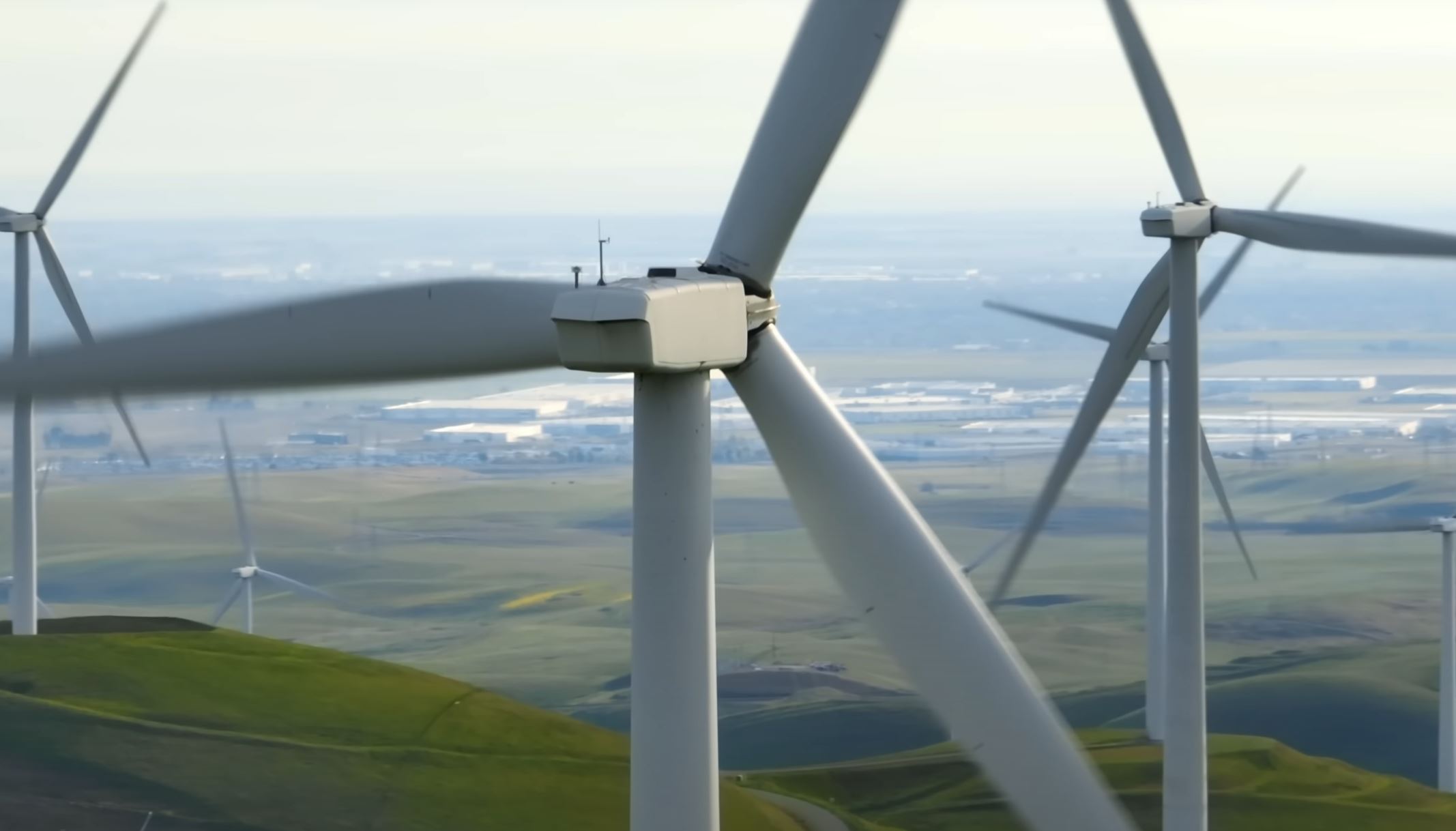
The Influence of Geopolitics
While Trump’s critical remarks from Davos might have seemed dismissive, they resonate in a much broader context. The political dynamics of energy dependence are now central to Europe’s energy strategy. Russia’s control over Europe’s natural gas supplies—and the potential of replacing one form of dependency with another—has caused the European Union to prioritize energy diversification.
“We don’t want to replace one dependency with a new one,” Jørgensen stated, indirectly addressing concerns over reliance on other energy-producing nations or technologies. The EU’s energy security strategy now explicitly places renewables, particularly offshore wind, at the forefront of its long-term plan. Filip Knaack Kirkegaard, DR’s climate analyst, pointed out the significance of this shift: “There is a clear desire for Europe to fend for itself, and offshore wind is viewed as a crucial part of that effort.”
The commitment to offshore wind power is also seen as an economic opportunity. As countries work to integrate renewable energy infrastructure across borders, the potential for new investments, job creation, and technological innovation is substantial. By sending a strong signal to the market, European leaders are ensuring that the continent remains a competitive player in the global renewable energy sector.
Shifting the Market and the Conversation
In 2022, wind and solar energy overtook fossil fuels in the EU’s electricity production. This marks a major milestone in Europe’s transition toward a greener, more sustainable energy mix. Yet, as the European Union ramps up its efforts to meet its 2050 climate neutrality goals, it will face new challenges—both technical and political. Securing the financing for large-scale offshore wind farms, overcoming infrastructure bottlenecks, and navigating complex international agreements will be essential to turning ambitious plans into reality.
Looking ahead, the question is not only how Europe will meet its energy needs but how it will navigate the increasingly complex interplay of energy, security, and politics in an era of heightened global tensions.
Eyes on the Future
The North Sea’s offshore wind potential represents more than just renewable energy. It is Europe’s answer to energy security in an era defined by geopolitical uncertainties. With the EU’s commitment to expand wind capacity, Europe’s leaders have made it clear: they are ready to lead the world in renewable energy production. Whether or not they succeed will depend on the strength of their political alliances, the innovation of their industries, and their ability to stay ahead of external pressures—whether from former allies or rising global powers.
Stay Tuned:
In our next issue, we will take a deeper dive into the technological advancements that will make this ambitious offshore wind strategy possible. How are European nations harnessing new technologies, such as floating wind turbines and advanced grid infrastructure, to scale this transition? We’ll explore the technical challenges and opportunities ahead for the renewable energy sector.
For more insights, updates, and to connect with the Nordic Business Journal team, join the conversation on our social media channels or contact us directly. Let’s continue the dialogue about Europe’s renewable future.