
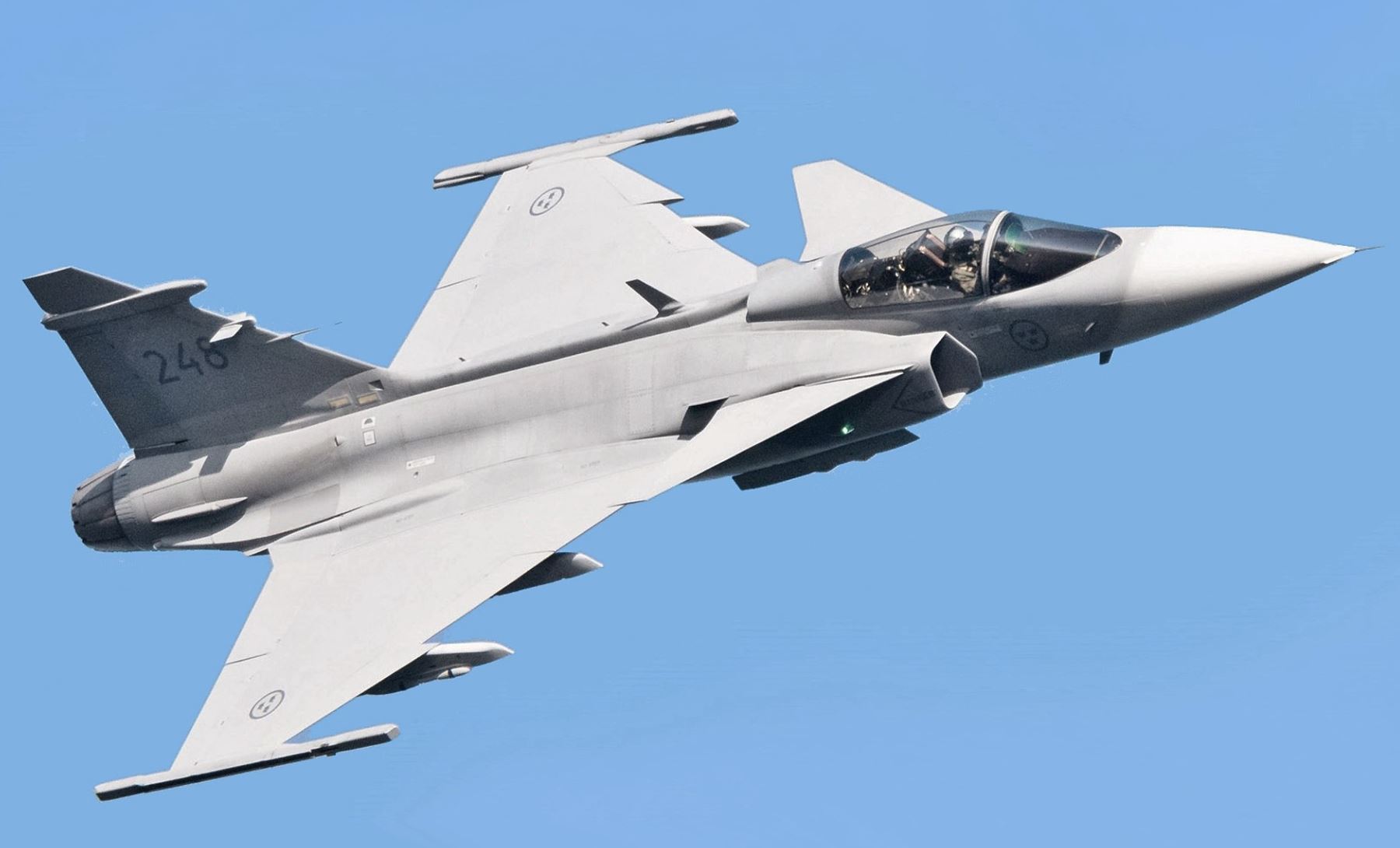
The strategic relationship between the UK and Sweden in the realm of combat air systems, particularly concerning Saab’s Gripen fighter, continues to deepen, though not through direct acquisition or operation of the Gripen by the UK. Instead, the two nations are aligning their industrial and technological efforts, focusing on collaborative advancements in the realm of combat air systems, leveraging both Gripen-related technology and the development of future systems.
Existing Gripen–UK Industrial Links
One of the foundational elements of the UK–Sweden defence relationship is the deep industrial integration present in Saab’s Gripen. As of now, about 35% of the Gripen fighter’s systems come from the UK, underscoring the long-standing industrial ties between Saab and British aerospace companies. Key UK-origin components include radars produced by Leonardo in Edinburgh, as well as the integration of the Meteor beyond-visual-range missile, a programme in which the UK plays a pivotal role. These existing links provide a solid base for future collaborative efforts, blending British technological expertise with Swedish fighter design.
UK-Sweden Collaboration in Future Combat Air Development
In 2019, the UK and Sweden signed a Memorandum of Understanding (MoU) to strengthen their joint efforts in the development of future combat air systems. The MoU laid out a framework for shared research and technology, leveraging the existing capabilities of platforms like Gripen and Typhoon as testbeds for new technologies that could feed into a next-generation combat air system. Sweden’s Defence Minister, Peter Hultqvist, highlighted the opportunity to integrate cutting-edge technologies into Gripen and Typhoon, with a view to transitioning them into a future combat system.
Saab’s establishment of a Future Combat Air Systems (FCAS) centre in the UK, with an initial investment of £50 million, reinforces the strategic importance of the UK in Saab’s long-term combat air strategy. The FCAS centre will not only support the development of a future system-of-systems capability but also ensure that the Gripen E remains up-to-date with continuous technological upgrades well into the 2060s. This collaborative focus on R&D will keep Gripen in lockstep with future air combat advancements, ensuring its evolution benefits from the latest innovations.
Strengthening the UK-Sweden Strategic Partnership
At the broader strategic level, Saab frames its relationship with the UK as a long-term partnership that extends beyond Gripen. Systems like the NLAW anti-tank missile are examples of successful collaborative projects that benefit both countries’ defence sectors. Saab’s cooperation with leading UK firms—such as BAE Systems, Leonardo UK, MBDA, and Rolls Royce—has led to significant synergies, with promises of continuous development for Gripen and future systems. These synergies are vital for bolstering the industrial capacity and technological edge of both nations, reinforcing defence capabilities in an increasingly volatile geopolitical landscape.
The Road Ahead: Future Collaborations and Political Caution
While the political and industrial cooperation between the UK and Sweden continues to intensify, it is essential to note that Sweden’s government remains cautious about fully committing to a joint fighter programme. Despite a growing political push for closer UK-Sweden collaboration, Swedish officials are keen to maintain national control over their future fighter path.
Sweden’s Future Fighter Aircraft System (KFS) study, which runs through 2027, reflects the country’s intent to remain flexible in its approach to the next-generation fighter. The Swedish air force is prioritising the development of manned and unmanned concepts within a national “system-of-systems” framework, with Saab, GKN, and FMV (the Swedish Defence Materiel Administration) at the helm. Swedish defence officials have stressed the importance of knowledge-building and maintaining freedom of action, with no rush to join large multinational programmes like the UK–Italy–Japan Global Combat Air Programme (GCAP).
Shifting Dynamics: Sweden’s Divergence from GCAP
Recent reports indicate a shift in Sweden’s position regarding the UK-led GCAP. Saab’s unveiling of its own next-generation fighter concept in 2024, combined with Sweden’s decision to remove its flag from GCAP branding at the Farnborough Airshow, signals a return to a more independent development path. Although Sweden is no longer pursuing GCAP as its primary vehicle for future air combat systems, Saab continues to advocate for a Swedish-led, internationally collaborative approach. This model—emphasising selective partnerships—could still involve UK industry, even if Sweden is not part of the core GCAP programme.
The Role of Geopolitics: Strengthening UK-Sweden Ties
The current geopolitical landscape, particularly Russia’s invasion of Ukraine and Sweden’s NATO membership, has heightened the urgency for robust, interoperable combat air capabilities. This increased pressure underscores the need for closer UK-Sweden collaboration, particularly in technology and industrial cooperation. The intensifying joint efforts, however, have yet to crystallise into a clear political demand for a fully joint fighter programme. As of now, UK-Sweden ties are being reinforced at the industrial and technological levels, with a shared focus on defence innovation, rather than the creation of a joint platform.
Navigating Future Collaborations
The UK–Sweden–Saab relationship continues to evolve, with both countries aligning their long-term strategic goals in combat air systems development. The emphasis is on technological collaboration, industrial synergies, and joint upgrades of Gripen, rather than a joint fighter programme in the immediate future. The dynamic nature of international defence collaboration, compounded by shifting political priorities and global threats, means that the landscape for future air combat systems remains fluid.
As geopolitical tensions persist and defence capabilities are scrutinised, the UK and Sweden’s evolving partnership could provide valuable insights into the future of global air power. While there is no immediate sign of a joint UK-Sweden fighter programme, the ongoing collaboration ensures that both nations remain at the forefront of innovation, even as they pursue independent development paths.
Looking Ahead
In the next issue, we will explore how Saab’s FCAS centre is shaping the UK’s future combat air landscape and what role UK industry partners are playing in this technological revolution. Stay tuned as we continue to provide in-depth analysis of the evolving UK-Sweden defence relationship and its potential implications for global air power.
Connect with Us
For updates on this and other defence-related topics, follow us on social media and connect with our editorial team for further insights into the world of strategic defence partnerships.