
Swedish households are bracing for significant electricity price hikes as we enter the first quarter of 2026, with predictions pointing to increases as high as 300%. This stark forecast, shared by energy trading company Bixia, highlights an escalating crisis that could place enormous strain on the country’s consumers, businesses, and broader economic stability.
The Impact: A Price Surge Unprecedented in Recent Years
Bixia’s latest analysis suggests that electricity prices will increase by 37% to 312% across Sweden’s four electricity regions, compared to the same period in 2025. While this may seem like a dramatic shift, it is the result of a complex blend of weather conditions, energy production challenges, and supply-demand imbalances.
According to Bixia analyst Johan Sigvardsson, several factors are contributing to the surge:
- Cold Weather and Increased Demand: As winter sets in, the demand for electricity spikes due to residential heating needs and industrial consumption. In a country known for its cold winters, this has a significant impact on consumption patterns.
- Low Wind Power Output in Northern Sweden: The lack of wind in Sweden’s northern regions has drastically reduced wind power generation, one of the key renewable sources of energy in the country. This has intensified the reliance on other sources of electricity, which come at a higher price.
- Hydropower Deficit: A notable shortfall in hydropower production this winter has forced power producers to increase their compensation demands for generating electricity, further exacerbating the price hike. Sweden’s reliance on hydropower for its energy needs makes this shortfall particularly impactful.
Sigvardsson further explains that, given these variables, Bixia has updated its winter forecast, expecting electricity prices to significantly exceed last year’s levels during the first quarter of 2026.
The Regional Divide: Who Will Bear the Brunt?
The price surge will not be uniform across Sweden. The most severe price increases are expected in the southern electricity region, SE4, where prices are projected to average 110 öre per kilowatt-hour (kWh) – a striking 37% rise from the same time last year.
For comparison, Bixia’s forecast for the first quarter of 2026 includes the following projected average prices:
- SE1 (Luleå region): 71 öre per kWh (up from 18 öre in 2025)
- SE2 (Sundsvall region): 70 öre per kWh (up from 17 öre in 2025)
- SE3 (Stockholm region): 98 öre per kWh (up from 64 öre in 2025)
- SE4 (Malmö region): 110 öre per kWh (up from 80 öre in 2025)
This geographic disparity in prices is not new. Sweden’s electricity market is divided into four distinct regions: SE1, SE2, SE3, and SE4, each of which operates under varying levels of electricity supply and demand. While regions in the north, such as SE1 and SE2, tend to benefit from a larger supply of inexpensive, locally generated electricity, southern Sweden has historically experienced higher prices. The underlying reason for these disparities lies in the need to reinforce the electricity grid in certain areas and the geographic distribution of energy production, with the south being more dependent on imported electricity.
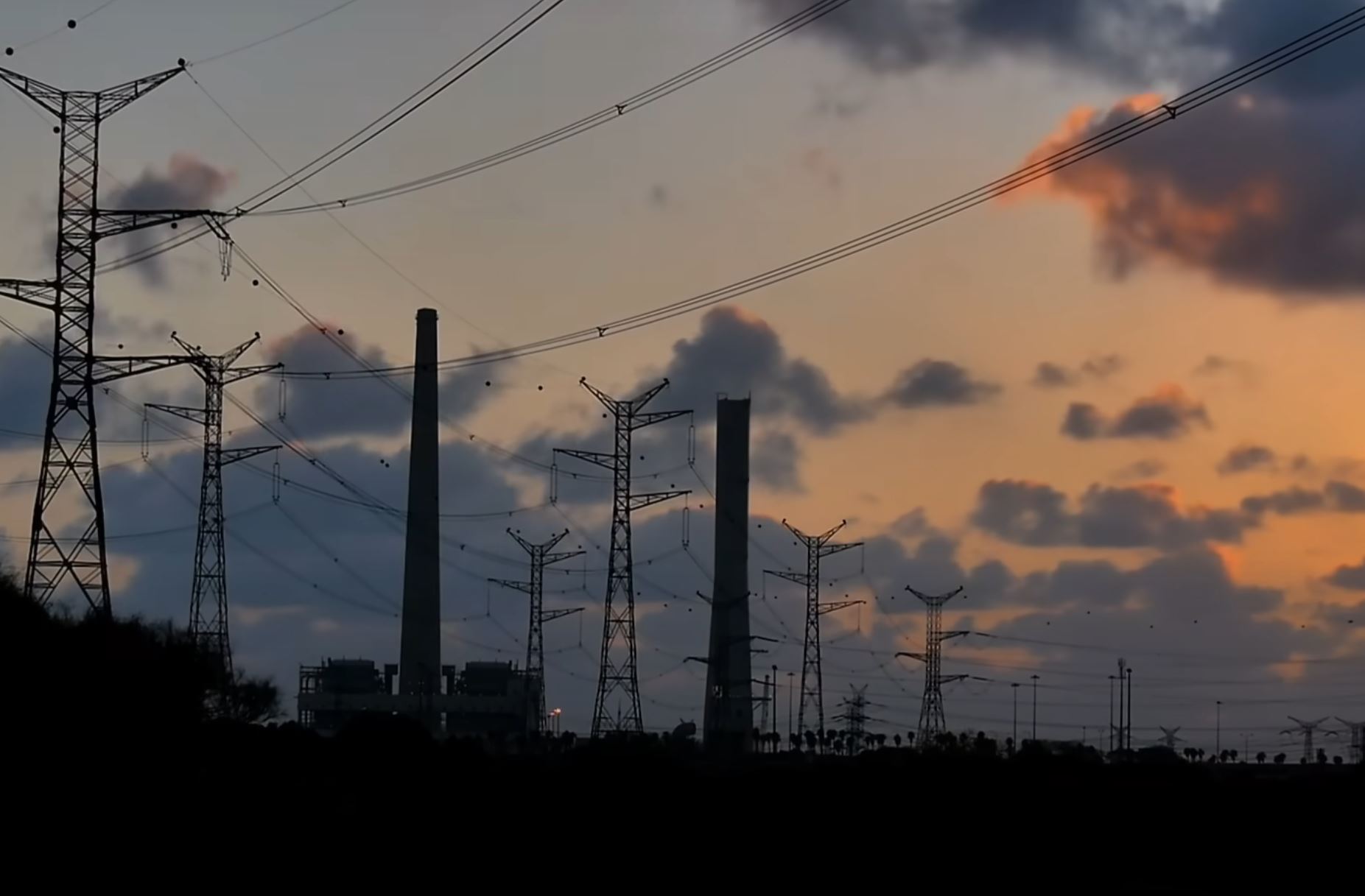
The Broader Economic Implications: A Strain on Households and Industry
The electricity price increase is expected to have far-reaching consequences beyond just the monthly household bills. In Sweden, energy-intensive industries – including manufacturing, data centres, and certain tech companies – could face higher operating costs, potentially leading to price inflation on goods and services across the economy. This may also challenge Sweden’s competitiveness on the global stage as energy prices in other regions remain more stable.
For households, particularly in the south of the country, the impact could be severe. The price shock could force many to rethink their energy consumption habits, potentially driving increased demand for energy-efficient solutions and alternative energy sources. The Swedish government may face mounting pressure to introduce measures aimed at alleviating the burden on consumers, such as energy subsidies or price caps, to ensure social stability during this period of economic strain.
What to Expect Moving Forward: Is There Light at the End of the Tunnel?
Looking ahead, the forecast for electricity prices beyond the first quarter of 2026 remains uncertain. While Sweden’s energy market benefits from a significant proportion of renewable energy sources, the challenges associated with low wind generation and hydropower deficits will continue to pose risks. Moreover, global energy market fluctuations and geopolitical uncertainties could further influence Sweden’s electricity prices.
In the coming months, it will be crucial for Swedish energy producers and policymakers to explore solutions for stabilizing the energy market. Increased investment in energy infrastructure, storage solutions, and a diversified energy mix will be necessary to mitigate the impact of such price fluctuations in the future. Additionally, consumer behaviour will likely shift as households and businesses seek to lower their energy consumption in response to higher prices.
A Follow-Up: Navigating Sweden’s Energy Future
In our next article, we will delve deeper into the policy measures that could be implemented to safeguard Sweden’s households and industries from energy price volatility. We will also examine the role of renewable energy in achieving long-term price stability and how technological innovations in energy storage could reshape the Swedish energy landscape.
Stay connected with us for further insights on Sweden’s evolving energy market. Your feedback and thoughts are always welcome!
Feel free to reach out to the Nordic Business Journal for more in-depth analysis on Sweden’s energy trends, and how these might impact your business strategy or personal energy consumption decisions.