
In recent years, Finland has gained global recognition not only as a leader in happiness but also as a model of stability in the Nordic region. However, beneath the surface of this widely celebrated image lies an economic crisis that cannot be ignored. The country’s national debt is skyrocketing, the gap between the rich and poor is widening, and the number of children living in poverty has reached disturbing levels. While Finland’s social welfare systems have traditionally cushioned its most vulnerable, cracks are beginning to show as public spending tightens and the nation’s economic outlook grows bleaker.
National Debt Hits Alarm Bells
Finland’s national debt has soared in recent years, now approaching 90 percent of the country’s Gross Domestic Product (GDP). This is a stark contrast to its Nordic neighbours, where national debt typically hovers around half of GDP. To understand the gravity of this situation, it’s important to recognize that Finland’s economic model, once praised for its stability, has become increasingly strained.
As government spending continues to rise—largely due to aging demographics, public sector wages, and social benefits—the nation finds itself trapped in a cycle of borrowing to sustain essential public services. While public debt can be manageable in some contexts, Finland’s reliance on a shrinking, aging workforce to support an ever-growing social safety net is a perilous combination.
Child Poverty: A Crisis in the Making
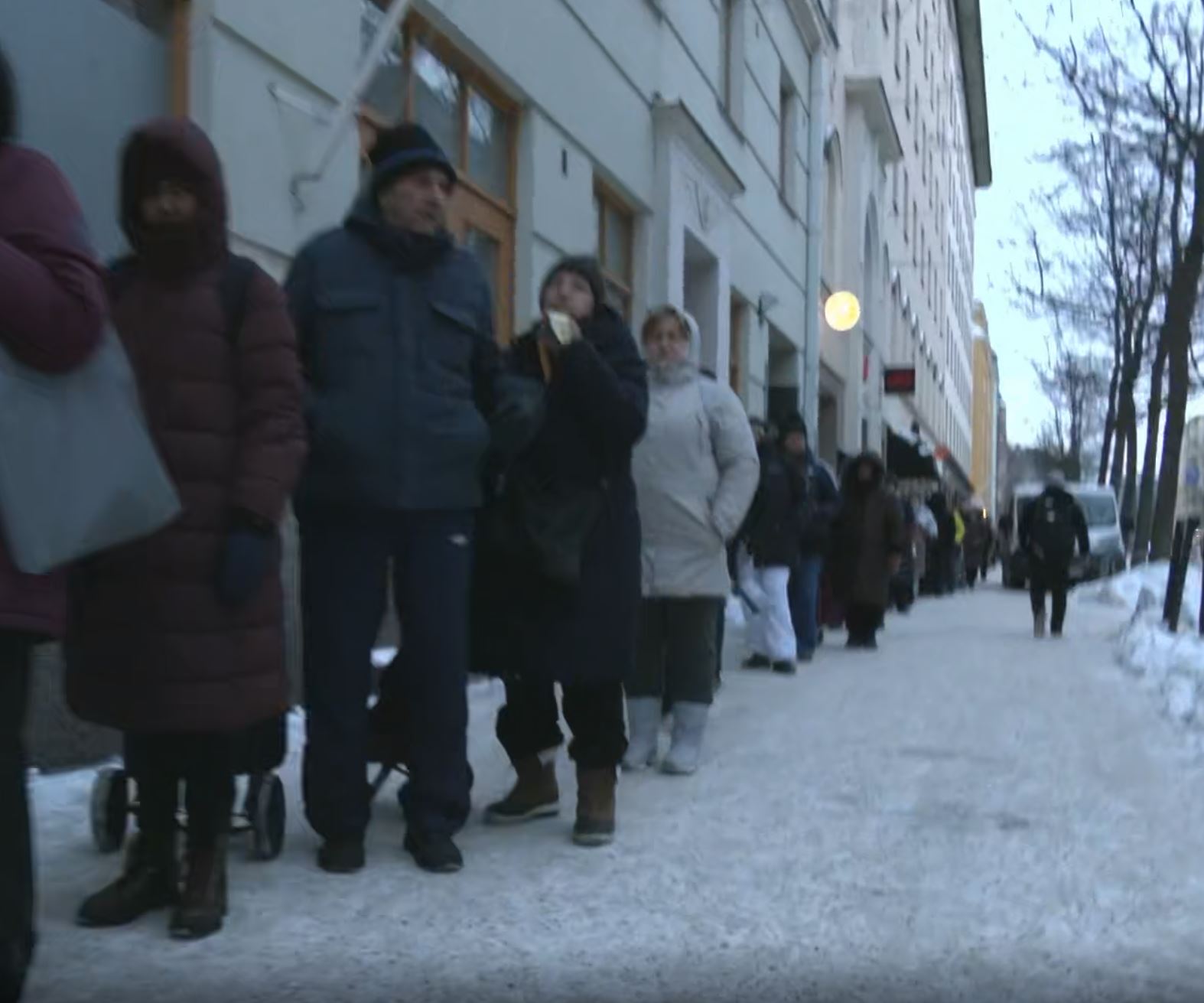
According to recent figures from the Ministry of Social Affairs and Health, child poverty in Finland has surged dramatically from 12 percent in 2023 to over 15 percent by 2025. The ripple effect of this alarming increase in child poverty extends beyond individual families; it affects the future workforce and economic mobility of an entire generation. Economists, such as Sixten Korkman, have emphasized that poverty in childhood is often passed down to future generations. Without proper interventions, Finland risks creating a class of young people who may never fully integrate into the labour market, instead remaining reliant on state benefits.
Korkman points to Finland’s “unhealthy population structure” as a critical factor in its economic stagnation. The country now has one of the oldest populations in the world, alongside Italy and Japan, a demographic challenge that puts additional pressure on public services and social programs.
The Euro and Global Economic Challenges
Beyond internal factors, Finland’s economic struggles are compounded by external events. The collapse of Nokia—once a cornerstone of Finland’s economic strength—has left a void that has yet to be filled. Meanwhile, the war in Ukraine and tensions with Russia have strained Finland’s relations with its eastern neighbour, while the broader European economic climate has made recovery more difficult.
The euro, while providing stability in some respects, has also hindered Finland’s ability to adapt quickly to global economic shifts. Unlike countries with their own currencies, Finland cannot adjust interest rates or devalue its currency to stimulate exports, making it harder to react to changing economic cycles.
Immigration and Economic Resilience: A Contrasting View with Sweden
While Finland grapples with these challenges, neighbouring Sweden has leveraged immigration as a key driver of economic growth. Sixten Korkman, an economist with deep insight into Nordic economies, notes that Sweden has benefitted significantly from immigration, especially in terms of labour market participation and economic dynamism. Contrary to the narrative often seen in public debates, immigration in Sweden has helped to rejuvenate the economy and prevent some of the demographic pitfalls that Finland is now facing.
Korkman contrasts this with Finland, where the immigration debate has largely been viewed through the lens of social strain rather than opportunity. As the country’s population ages, a more progressive stance on immigration could help to address the labour shortages and demographic decline that are increasingly challenging Finland’s economy.
The Paradox of Consumer Behaviour
Despite Finland’s economic hardships, consumer confidence remains low. Many Finns are choosing to save rather than spend, a behaviour that further exacerbates the country’s economic slowdown. Eija and Tapio Turunen, who have suffered significant losses in the housing market, are just one example of the widespread hesitancy to make major financial decisions during uncertain times. “I am not at all surprised that people do not dare to use their money right now,” says Eija Turunen.
This conservative approach to personal finance, while understandable given the current economic climate, has contributed to lower consumer spending, which in turn affects overall economic growth. The government’s attempts to encourage consumption—particularly in the housing and retail sectors—have thus far proven ineffective.
A Bleak Outlook, But Not Without Hope
Finland’s current economic predicament is the result of multiple factors, including demographic challenges, over-dependence on outdated industries, external economic shocks, and poor fiscal policies. However, it is not all doom and gloom. There are clear pathways to reinvigorating the economy and improving the living standards of Finland’s citizens, particularly the most vulnerable.
To address child poverty, Finland must invest in policies that focus on early childhood education, healthcare, and social services, as well as exploring progressive taxation to ensure that wealthier individuals contribute more to public services. Moreover, adopting a more welcoming stance on immigration could help alleviate some of the demographic pressure, while simultaneously fuelling economic growth.
Lastly, Finland’s government must move beyond austerity and start focusing on long-term investments that will diversify the economy. Rebuilding a modern industrial base, investing in technology, and fostering a startup ecosystem could provide new avenues for growth.
What’s Next?
As Finland faces these significant challenges, it is crucial for policymakers to embrace bold reforms that balance fiscal responsibility with social equity. In our next edition, we will take a closer look at the strategies some of the Nordic nations are implementing to combat poverty and stimulate economic growth. We will also explore potential avenues for Finland to attract foreign investment and re-energise its industrial sectors.
We invite you to join the conversation and share your thoughts on the future of Finland’s economy. Connect with us via our social channels, and stay tuned for our next article where we dive deeper into these critical issues.