
In the summer of 2025, as President Donald Trump’s controversial rhetoric and geopolitical manoeuvres drew global attention, a unique digital solution gained significant traction in Denmark. The app “UdenUSA”—which translates to “Without the USA” in English—quickly became one of the most downloaded applications in the country, driven by a surge in anti-American sentiment sparked by Trump’s inflammatory remarks. The app’s core function? Helping users identify and boycott American-made products in their local grocery stores.
Developed by 21-year-old Jonas Pipper and his team, UdenUSA offers a practical and user-friendly tool for consumers looking to avoid U.S.-sourced goods. The app works by allowing users to scan product barcodes, immediately identifying whether the item is American-made and offering alternative products from different origins.
“We want to make it easier for consumers to take action,” says Pipper, reflecting on the app’s meteoric rise in popularity. Launched in early 2025, the app only gained momentum when the U.S. President made headlines with threats to annex Greenland, stoking nationalistic sentiments and triggering calls to boycott U.S. goods. Within a few days of the news breaking, the app had been downloaded 45,000 times, largely from Denmark but also from neighbouring countries such as Norway, Sweden, and Germany.
The Growing Trend of Ethical Consumerism
The rise of UdenUSA highlights a growing trend of ethical consumerism and consumer activism, particularly among Nordic nations. Consumers are increasingly motivated by political and ethical considerations when making purchasing decisions. The app’s appeal is not only to those reacting to Trump’s rhetoric but to a broader audience that feels disconnected from the global dominance of American corporations. This growing reluctance to support American products, particularly when associated with contentious political issues, points to the changing dynamics of consumer behaviour in the region.
The app’s functionality is simple yet powerful—users can scan items in-store and instantly access data about their origins. In theory, this empowers consumers to vote with their wallets, aligning purchases with personal values. But as Pipper notes, the situation is not always straightforward. “Production chains are often complex,” he explains. “For example, Coca-Cola is bottled by Carlsberg in Denmark, but because the brand is American, the app flags it as a U.S. product.”
This has led to criticism, particularly when multinational companies pay licensing fees to U.S. parent companies, as in Coca-Cola’s case. But the principle remains: UdenUSA helps its users make informed choices in the battle against globalized, American-dominated supply chains.
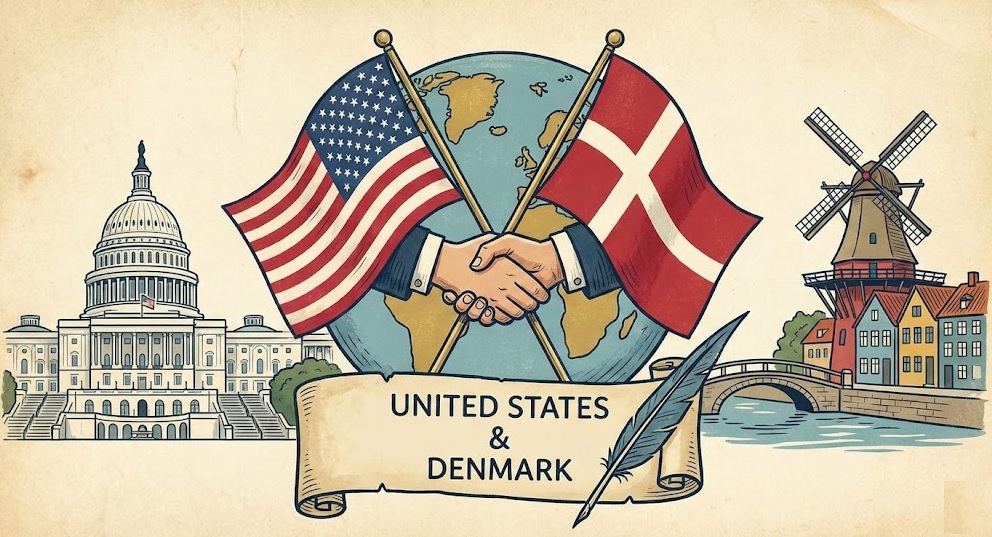
Symbolic Impact: A Broader Cultural Shift
Though the app’s impact on individual businesses—such as Coca-Cola—may be minimal, its broader cultural and symbolic significance is undeniable. According to Dannie Kjeldgaard, a professor of consumer culture at the University of Southern Denmark, while there has been no noticeable economic damage to American companies operating in Denmark, the social and cultural effects are more profound. “The Danish market is relatively small in the global context, and thus unlikely to hurt U.S. sales on a grand scale,” Kjeldgaard remarks. “However, the symbolic effect is much more significant. Brands tied to American culture have felt the heat, especially in a context where consumers are becoming more politically conscious.”
Indeed, while the economic effects of such boycotts may be difficult to quantify, their symbolic power is more apparent. The Danish reluctance to engage with American companies during times of political unrest reflects a larger, underlying shift in consumer behaviour. Danish consumers—typically more progressive and socially conscious—are leading the charge in this anti-American consumption trend. And the cultural influence of the United States, once seen as unstoppable, now seems to be facing a reckoning, at least in certain parts of Europe.
One tangible result has been the steep decline in tourism to the U.S., with many Danes opting for alternative destinations. Moreover, Tesla, once a symbol of modern innovation and luxury, saw a dramatic drop in sales during the same period. While these outcomes are unlikely to bring American corporations to their knees, they demonstrate the potential power of consumer movements—especially when rooted in larger cultural and geopolitical contexts.
The Future of Digital Boycotts
The rise of apps like UdenUSA represents a new frontier in consumer activism, combining convenience with ethical decision-making. “What we hope is that we can establish a new consumer behaviour,” Pipper says. “Boycotting U.S. products should be as easy as scanning a barcode in the store.” This vision aligns with the ongoing trend of consumers demanding greater transparency and accountability from the companies they support.
Moving forward, the real question will be whether this digital form of consumerism will evolve beyond the scope of the U.S.-centric boycotts and encompass broader ethical, environmental, and social concerns. In this light, the app’s growing popularity may be just the beginning of a much larger movement—one that could potentially disrupt traditional global supply chains and encourage companies to reevaluate how they engage with ethical consumers.
Looking Ahead: The New Landscape of Consumer Behaviour
As we continue to see technological innovation reshaping consumer culture, it’s clear that apps like UdenUSA may only be the tip of the iceberg. Digital tools empowering consumers to make ethical choices are likely to grow in importance, particularly as younger generations—who are more attuned to global politics and sustainability—become the dominant consumer base. This represents a critical opportunity for businesses to respond to the shifting tides and engage with consumers on a deeper, more values-driven level.
Next Steps for Our Readers:
As this story unfolds, the next step in exploring the intersection of consumer behaviour, politics, and ethics will focus on how businesses are responding to these new demands. In our upcoming issue, we will take a closer look at how brands, both American and non-American, are adapting their strategies to cater to ethically conscious consumers in the Nordics. Stay connected with us for insights into the evolving global marketplace and how your business can thrive in this new landscape.
For feedback, ideas, or to share your own experiences with digital consumer activism, reach out to us at Nordic Business Journal.