
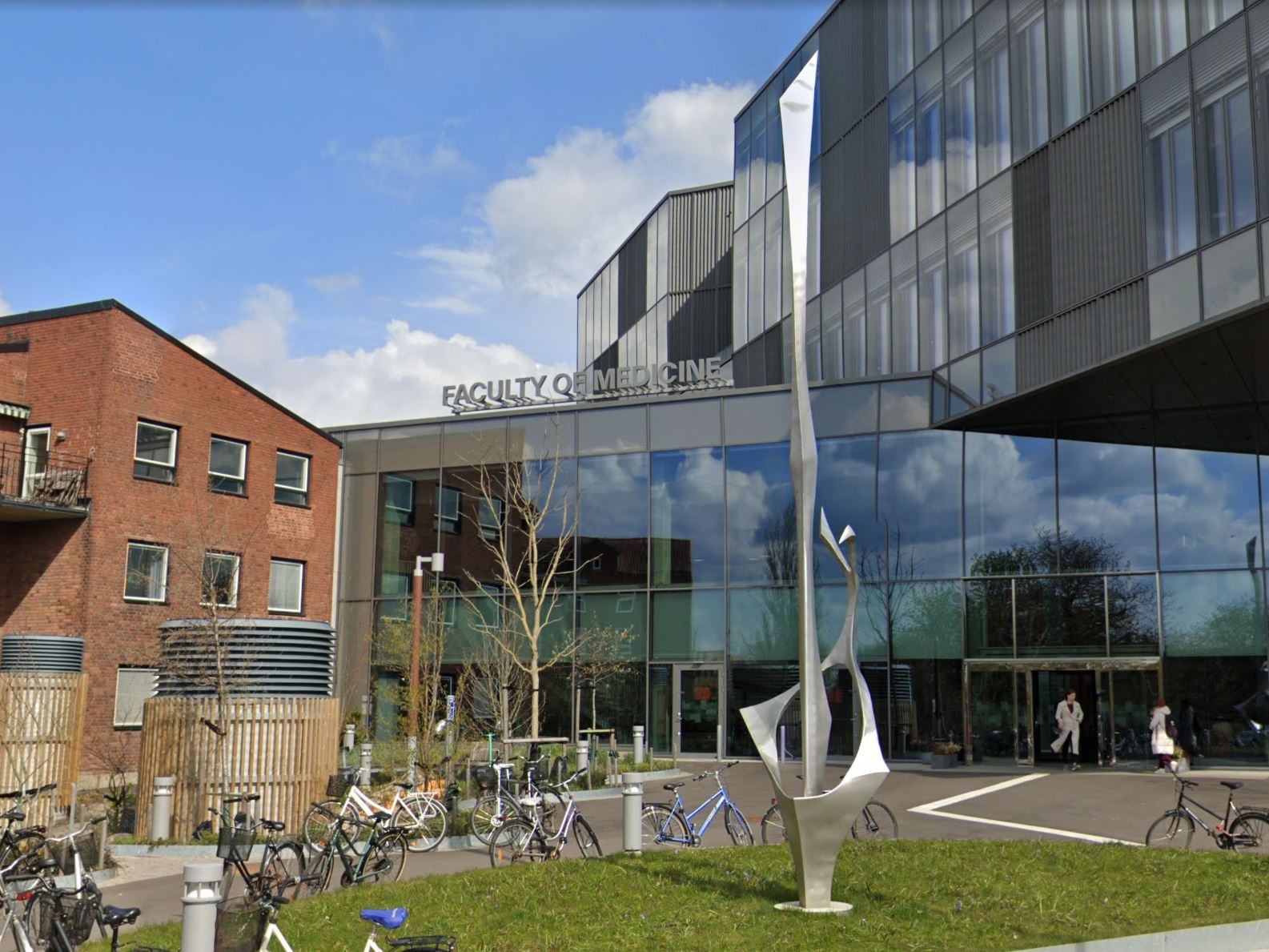
While Oxford reclaimed the top spot in the QS World University Rankings: Europe 2026—edging ahead of ETH Zurich with Imperial College London and University College London tied for third—the Nordic region’s performance reveals a more nuanced story of strategic positioning in the global knowledge economy. Lund University maintains its position as the highest-ranked Nordic institution globally at 72, climbing steadily from 85 in 2024—a trajectory that signals strengthening research output and internationalization. Uppsala University holds at approximately 103 globally, while KTH Royal Institute of Technology advances to 78, reflecting Sweden’s concentrated investment in engineering and technology education aligned with industrial needs.
Yet raw rankings only tell part of the story. Where Nordic universities truly differentiate themselves—and where business leaders should take notice—is in sustainability leadership. In the QS World University Rankings: Sustainability 2025 (released December 2024), Lund University secured a remarkable tie for third place globally, behind only the University of Toronto and ETH Zurich. This isn’t merely a reputational badge; it represents institutional capacity to deliver ESG-aligned research, develop circular economy solutions, and produce graduates fluent in sustainability-driven innovation—precisely the competencies Nordic corporations require to maintain competitive advantage in regulated European markets and global supply chains.
The Business Implications
For Nordic CEOs and talent strategists, these rankings carry three strategic implications:
1. Talent Pipeline Vulnerability: With seven of Europe’s top 10 universities now in the UK post-Brexit recalibration, Nordic firms face intensified competition for STEM graduates. KTH’s rise to 78 globally matters because it directly correlates with Stockholm’s ability to retain AI and deep-tech talent that might otherwise migrate to London or Zurich.
2. Sustainability as Commercial Infrastructure: Lund’s sustainability leadership isn’t academic window dressing—it’s commercial infrastructure. Companies partnering with top-ranked sustainability universities gain preferential access to EU Green Deal-funded research consortia, carbon accounting methodologies, and regulatory foresight. In an era where CSRD compliance demands scientific rigor, proximity to sustainability-ranked institutions becomes a strategic asset.
3. The Nordic Innovation Gap: Despite individual institutional strength, the region lacks density in the global top 50. Compare this to Switzerland (ETH Zurich 7 globally) or the Netherlands (multiple top-50 institutions), and a structural challenge emerges: fragmented national systems hinder the formation of pan-Nordic innovation clusters capable of competing with European powerhouses. Recent Nordic Innovation initiatives to build cross-border testbed ecosystems represent a necessary corrective—but require deeper university-industry integration to scale.
Looking Ahead: The Collaboration Imperative
Rankings alone won’t secure Nordic competitiveness. What matters is conversion—transforming academic excellence into commercial outcomes. Forward-looking Nordic corporations are already restructuring R&D partnerships: Ericsson’s co-location strategy with KTH on 6G research, Novo Nordisk’s embedded scientist programs at Lund, and Northvolt’s battery materials consortium spanning Uppsala and Aalto demonstrate a shift from transactional sponsorship to integrated innovation systems.
The Nordic region’s universities have proven they can compete globally on sustainability and specialised research domains. The next frontier—where business leaders must engage—is ensuring these institutions become engines of scalable commercialisation rather than isolated centres of excellence. In a world where innovation velocity determines market leadership, the university-corporate interface may well become the Nordic region’s most critical competitive bottleneck.
— This article draws on QS World University Rankings 2026, QS Sustainability Rankings 2025, and Nordic Innovation ecosystem analysis.
What’s Next & How to Engage
Follow-up Direction: Our next feature will investigate the ROI of university-corporate R&D partnerships across the Nordics—quantifying which collaboration models (joint labs, embedded researchers, IP-sharing frameworks) deliver the highest commercial returns for industrial partners. We’ll analyse case studies from MedTech in Denmark, battery tech in Sweden, and maritime decarbonisation in Norway.
Connect With Us: Are you leading university-industry collaboration at your organisation? Share your partnership challenges and success metrics with our editorial team at insights@nordicbusinessjournal.com. Selected contributors will be featured in our upcoming Nordic Innovation Ecosystem Report 2026—providing visibility to 45,000+ business leaders across the region. Together, let’s transform academic excellence into Nordic economic advantage.